Transmission system
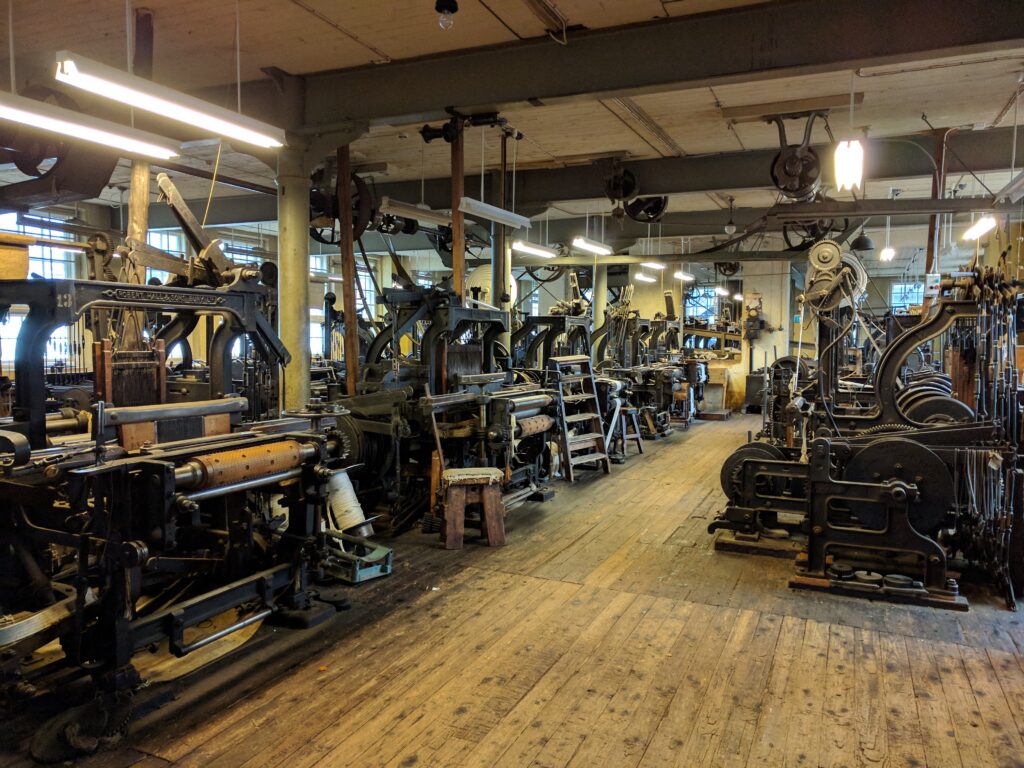
Transmission system at Göteborgs Remfabrik. The Transmission system at Göteborgs Remfabrik runs looms and winding machines. It is original from when the…

This is the machine into which the mass is gathered and then becomes paper. There is approximately 98% water and 2% papermass, but if the paper is too thick they add more water and if it is too thin they add more mass. The quantity mass also differs from which kind of paper they are manufacturing, envelopes are for instance thicker than writing paper and the paper they turn into bags are the thickest.
To make the paper they take a sort of frame and dip it first into water, and then into the machine with the mass. The mass then sticks to this fine metal frame and as such you've got wet, so far useless, paper. Then the paper is removed from the frame and put unto a large felt canvas where it sticks. Then they hung it up to dry. For the paper to dry and become proper paper it must hang-dry for about 3-4 days.
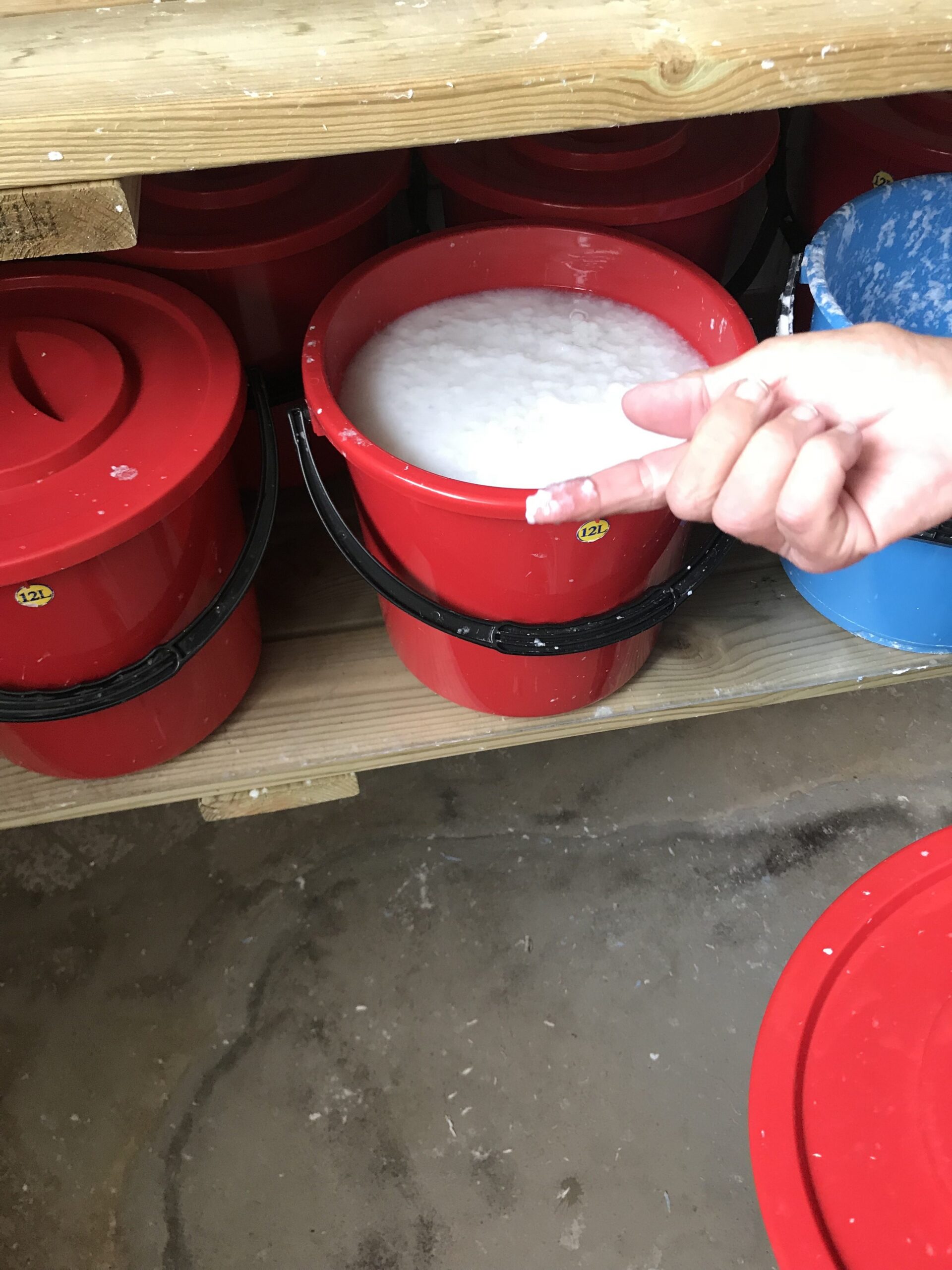
The photo is of the mass that is turned into paper, and looks like a strange porridge.
Photo and recording by Erik Pålsson, big thanks to Roland at Holmens museum who does t his two days a week on his free time.
Transmission system at Göteborgs Remfabrik. The Transmission system at Göteborgs Remfabrik runs looms and winding machines. It is original from when the…
The annual City Festival in Linkoping is a large event that attracts around 300.000 visitors each year. It takes place late august…
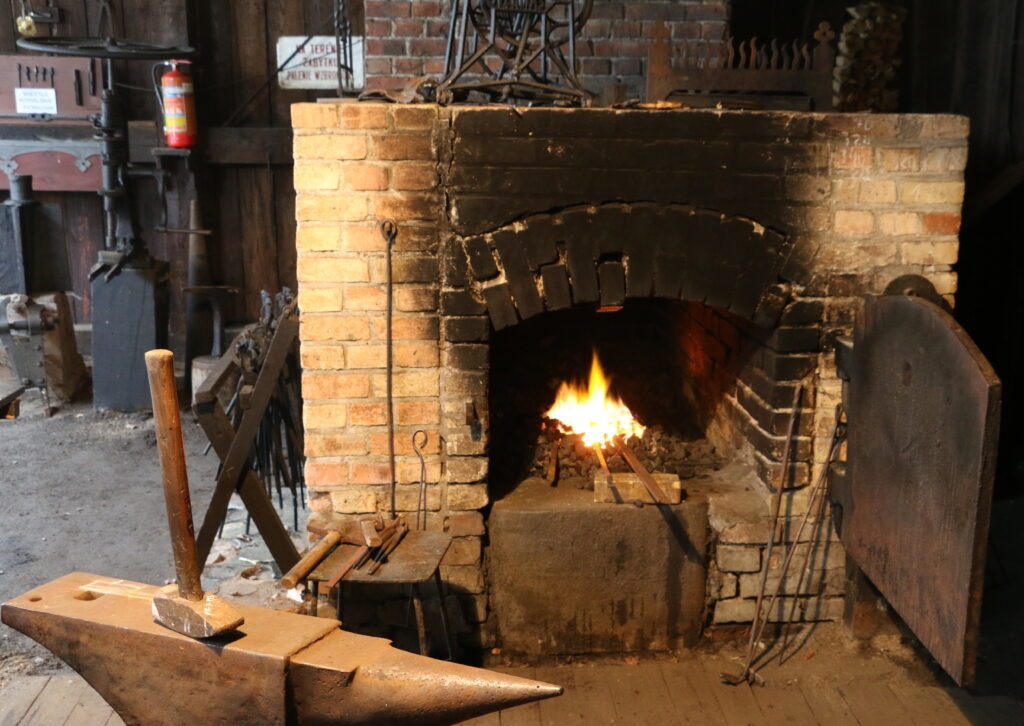
The sound of manual punching of a stamp on hot steel. The recording was realized in the historical water smithy in Gdańsk…
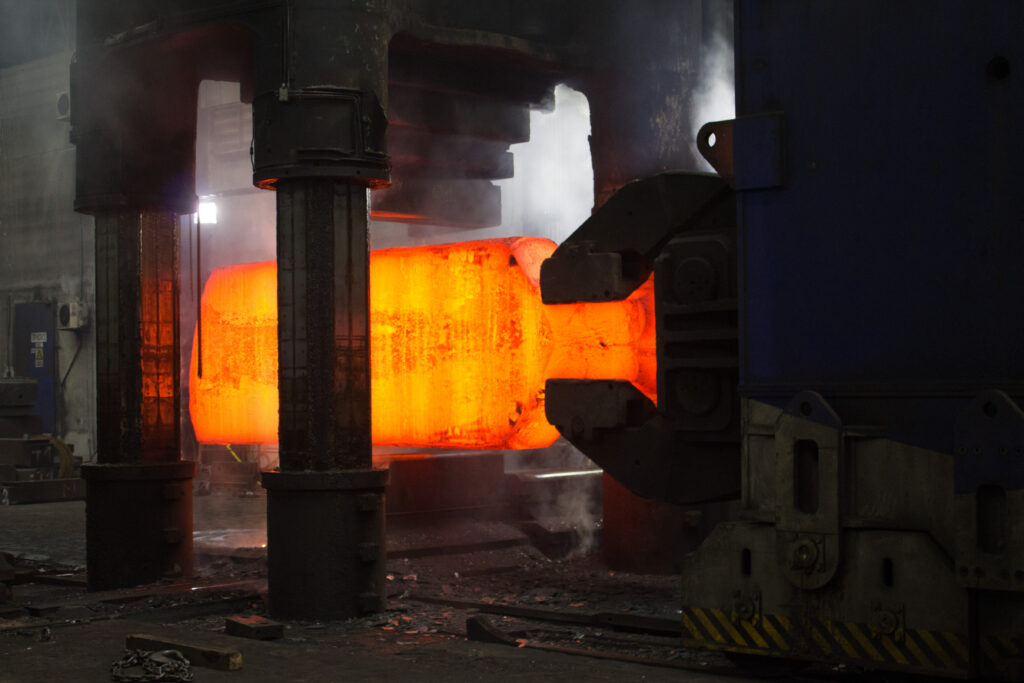
The sound of pressing. An open-die forging press, the 40/45 MN is fitted with five hydraulic cylinders; the three main cylinders with…