Police (car) siren
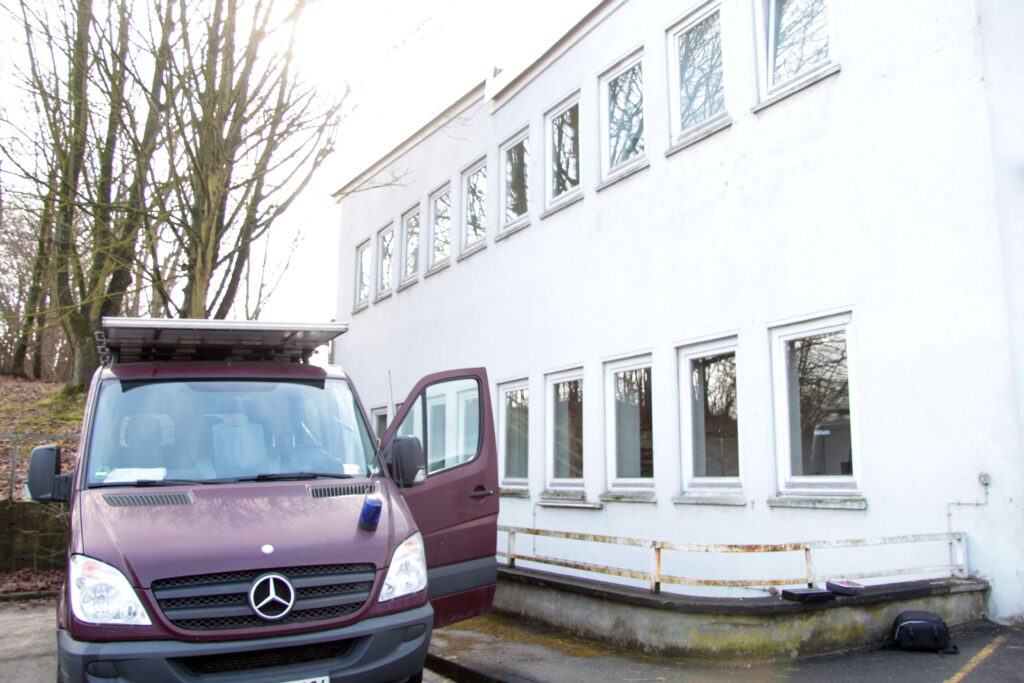
The tone sequence siren (German: Martinshorn) from around the year 2010 is a component from an unmarked police car of the city…

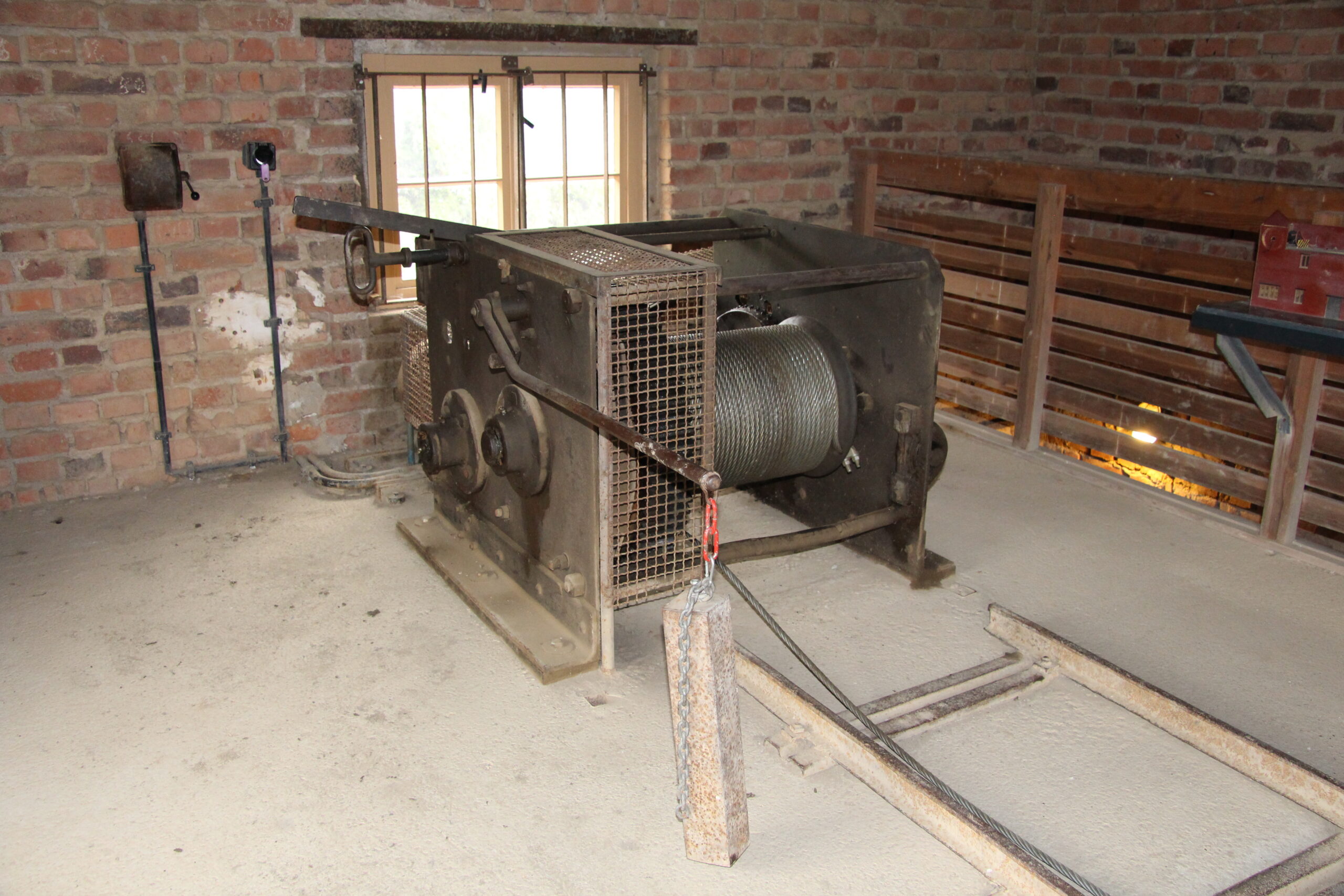
Brick production was of great importance in the Lippe area in Germany. The Brick Factory Beerman in Sylbach was one of the many production sites in the area. Opened in 1909 the factory did not introduce machines for industrial brick production until 1922. However, after the factory had changed from coal to oil as energy source, oil prices went up within the oil crisis. The factory had to close in 1979.
By 2001 the former factory has been bought, restored and turned into a museum by the Landschaftsverband Westfalen Lippe. Today the historic machines of the brick factory Beermann are running once more. The industrial process of making bricks can be explored during special presentations at the museum. These presentations include all processes within industrial brick production – from clay mining and transport over rolling and pressing to drying of the blanks and firing. This recording was made during such a public presentation of industrial brick production.
In a first step the freshly mined clay is transported unto the second floor of the factory house, the “tilting floor”. This is a close-up recording of the hoist, which pulls the wagons upwards on a steel rope.
Sound: Lukas Rabl (The University of Applied Sciences Dortmund)
Photo/Video: Kathinka Engels
The tone sequence siren (German: Martinshorn) from around the year 2010 is a component from an unmarked police car of the city…
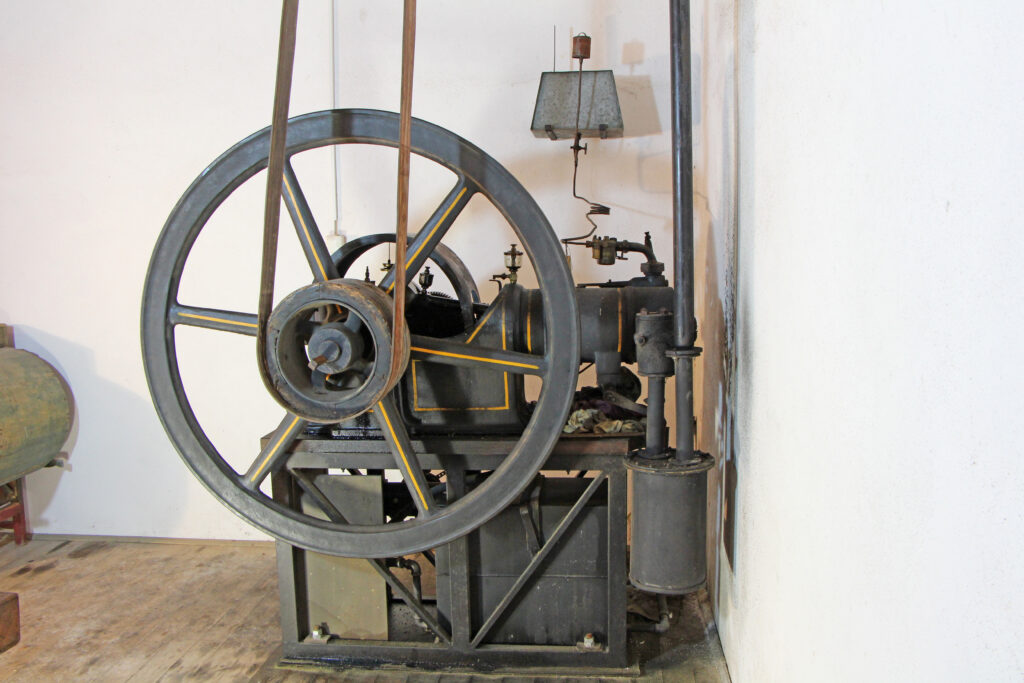
Stationary engines were mainly used for driving farm machinery. Like other forms of motive power (water, steam), stationary engines used in agriculture…
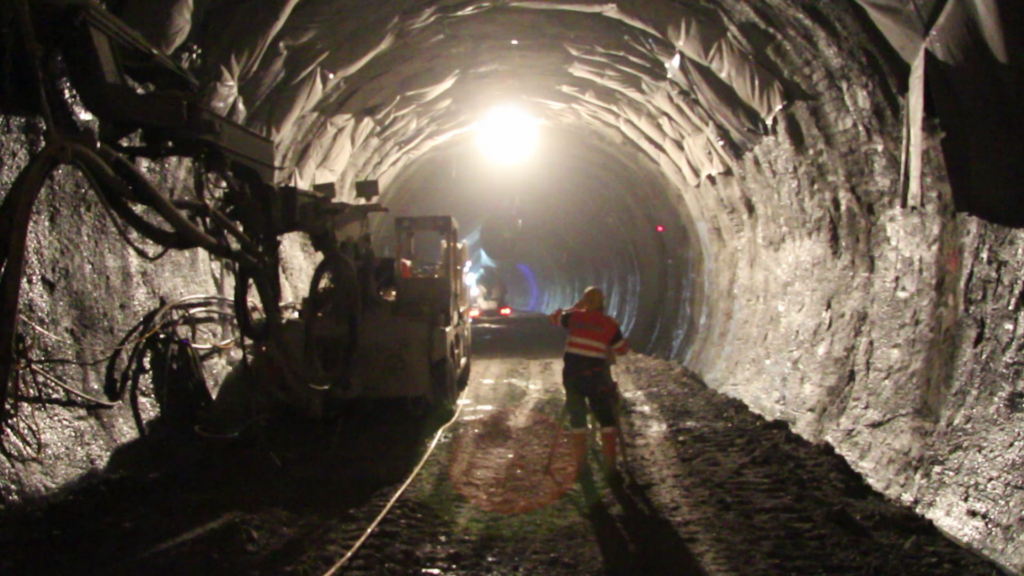
Stuttgart 21 is one of the biggest construction projects in Germany. It includes the underground construction of a new central station for…
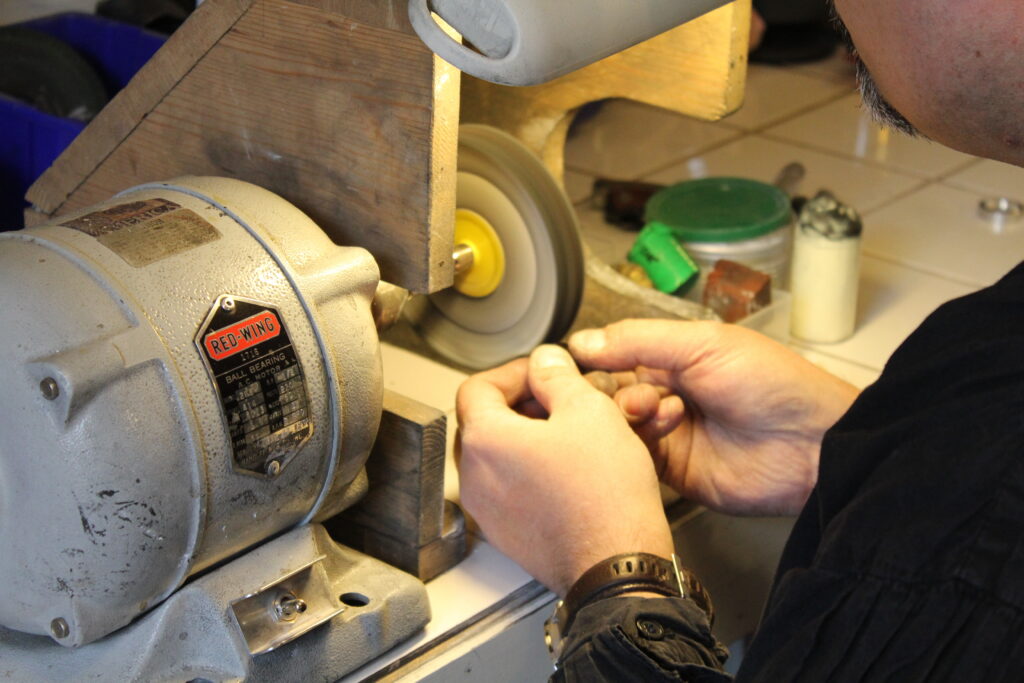
Red Wing 1716 Ball Bearing A.C. Motor Polishing Motor / Lathe Goldsmith polishes a gold ring with a polishing motor. Master goldsmith…