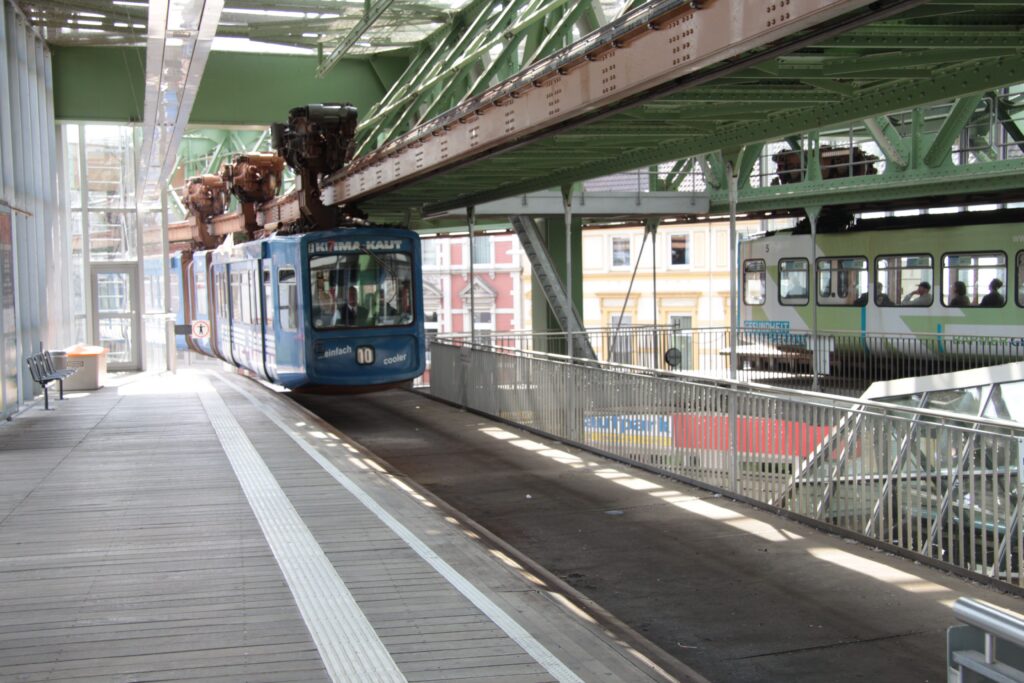
Overhead monorail (Wuppertal Suspension Railway)
The overhead monorail, type GTW 72 (also known as the Wuppertal Suspension Railway), was built by Maschinenfabrik Augsburg- Nürnberg (MAN) in the…

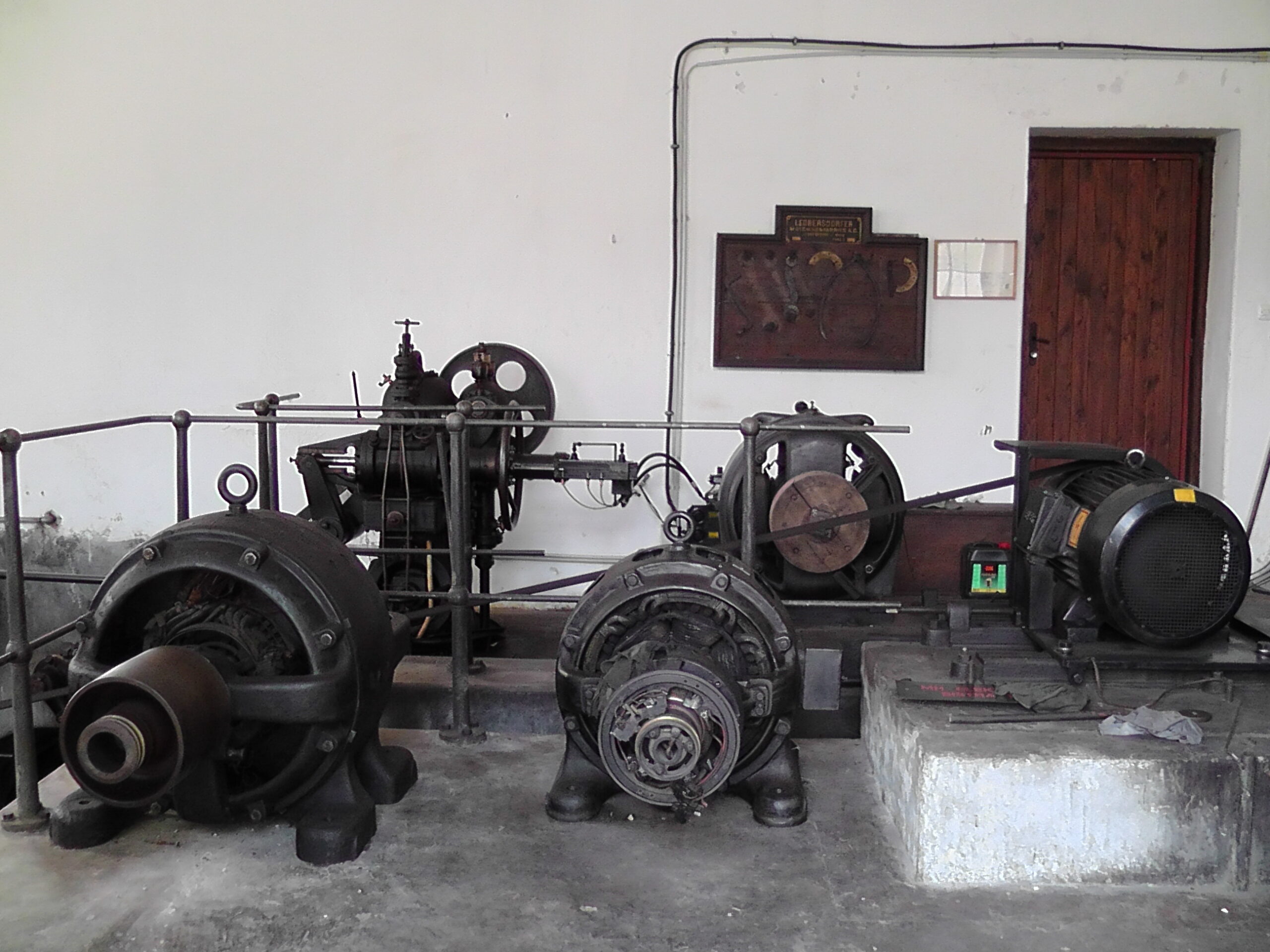
At the end of the 19th century, Franc Galle, the landlord of Bistra, was actively engaged in milling. However even before the First World War this business ceased to be profitable and so in 1911 the mill was demolished and a 110 kW hydropower plant generating direct current was built in its place. It was fitted with a Francis turbine that was designed by a Klagenfurt-based company. The plant served as an additional energy source for the operation of the primarily steam-powered sawmill located on the estate, and for lighting of the buildings as well as powering smaller household appliances.
When the museum was first opened in 1951, the Technical Museum of Slovenia became the operator. Over the years the equipment has been renovated and modernised several times in order to maintain its operation. In 1959 a modification allowed the generation of alternating current, and in 1991 the old synchronous motor was replaced with a new asynchronous version, automatic regulation was introduced, the original turbine was renovated and some rehabilitation works done on the whole structure.
The electrical energy still generated in this power plant that is now over 100 years old is used by the Museum to meet its own needs and the surplus purchased by Elektro energija. Over the last years the plant operates with an average power of between 20 and 25 kW.
Sound: Recorded inside the hydro power plant, the sound is mainly comprised of an asynchronous motor and power transmission mechanism that through the axle, impeller and belt transfers the rotating energy of the Francis turbine to the generator.
Sound level: 79,9 dB
Sound recordist: Boštjan Troha
Photographer: Barbara Grilc
Video recordist: Barbara Grilc
The overhead monorail, type GTW 72 (also known as the Wuppertal Suspension Railway), was built by Maschinenfabrik Augsburg- Nürnberg (MAN) in the…
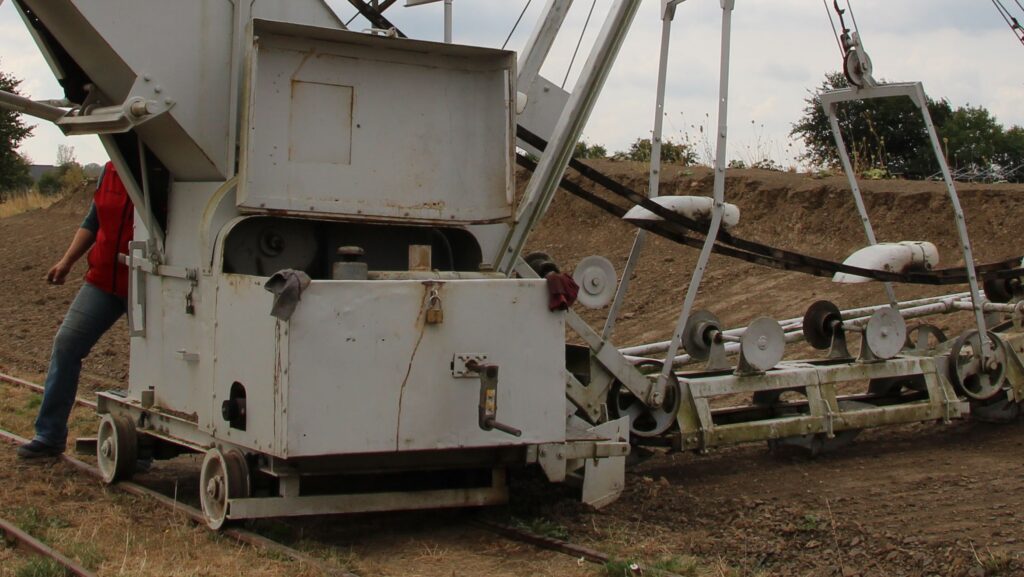
Bricks, one of the most common materials in building, are made from clay. In order to mine large quantities of clay large…
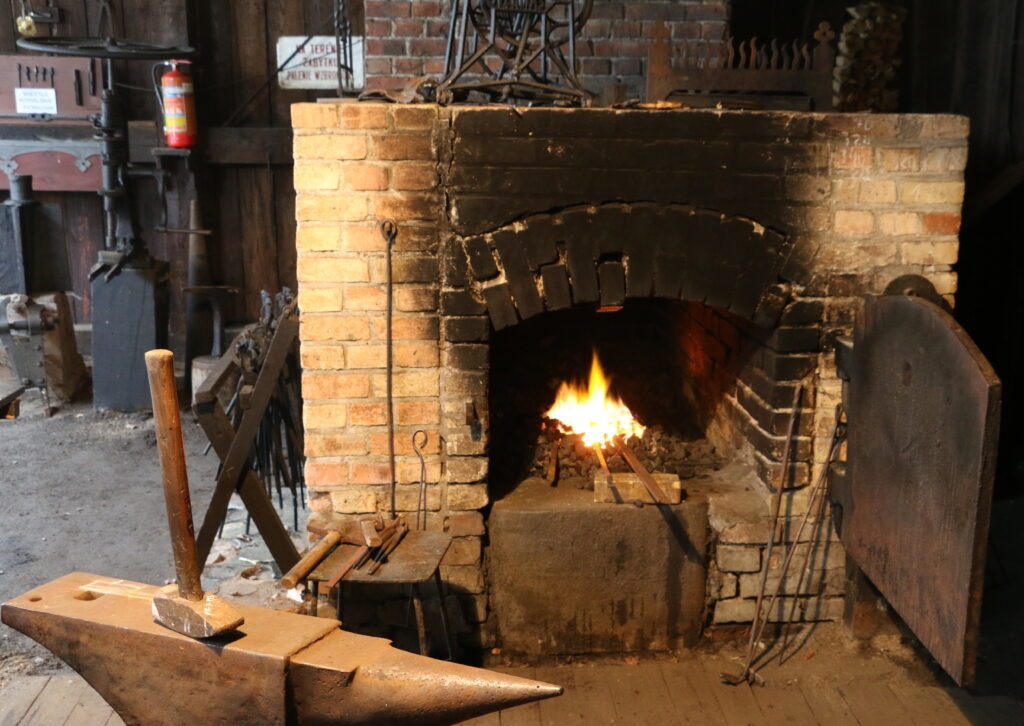
The sound of manual punching of a stamp on hot steel. The recording was realized in the historical water smithy in Gdańsk…
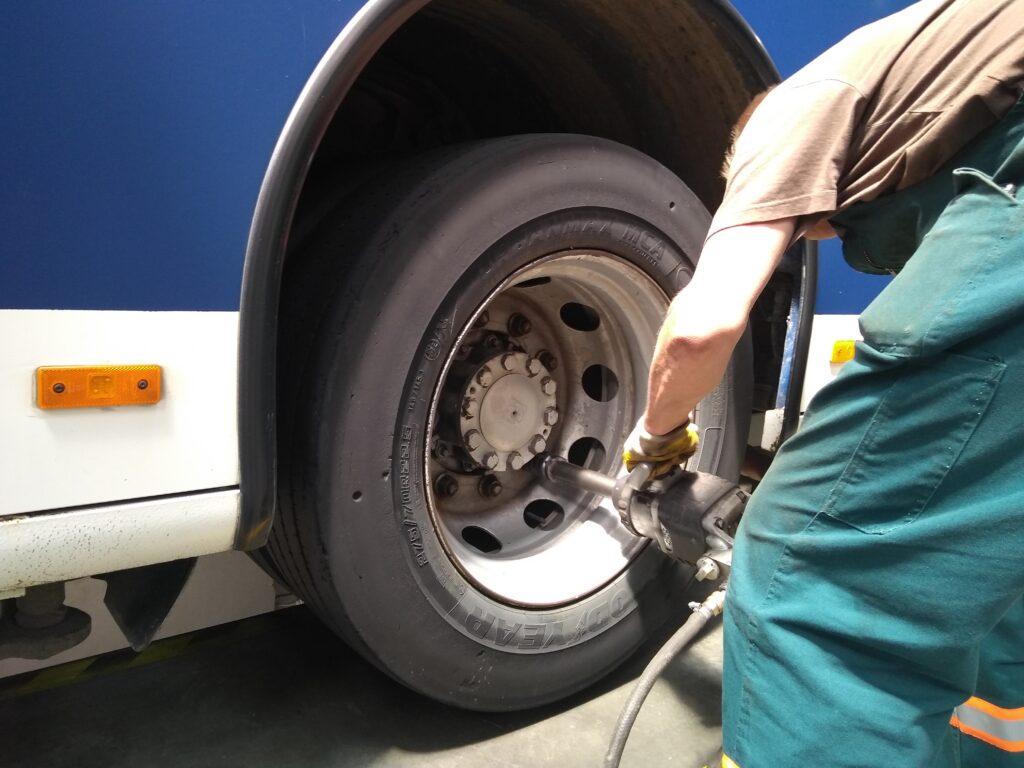
Sounds recorded while tightening a bus wheel using a pneumatic wrench. The sounds were recorded in the main repair hall at Wola…