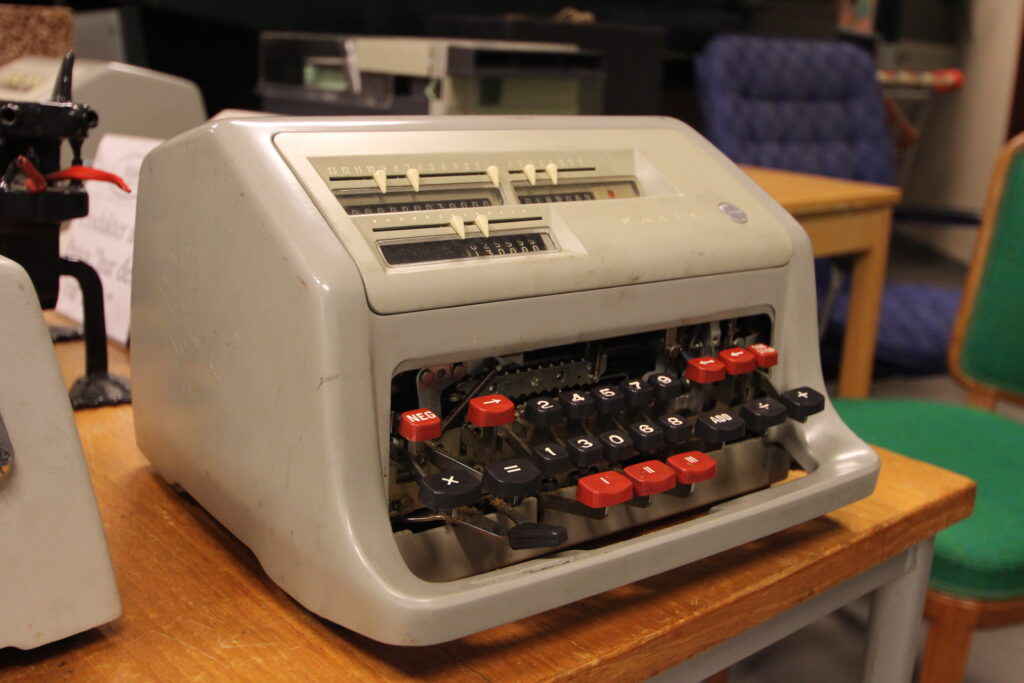
Mechanical calculator, Facit
A mechanical calculator, or calculating machine, was a mechanical device used to perform automatically the basic operations of arithmetic. Most mechanical calculators…

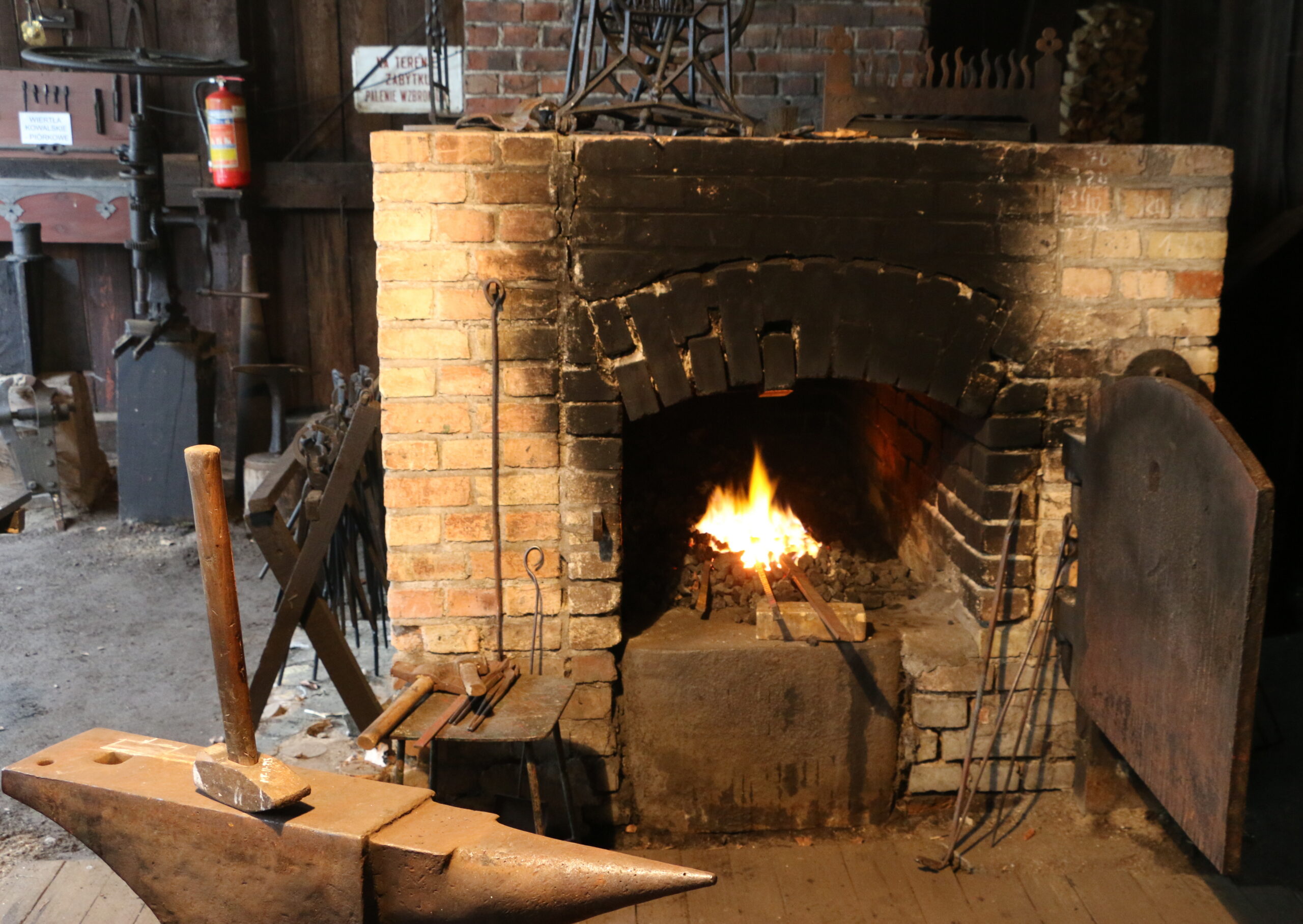
The sound of manual punching of a stamp on hot steel. The recording was realized in the historical water smithy in Gdańsk (Oliwa district) constituting the department of the Museum of Technology in Warsaw.
Stamp ornaments were used for decorating flat surfaces. Recorded sound refers to the strokes of piston in the form of a hammer embedded in a wooden handle. Pistons in the form of a steel bar (with the length of 10 – 15 cm) narrowing downwardly were also used. Pistons were finished with a stamp in the form of a curve, star, circle or other ornamental element.
The water smithy in Oliwa was in operation from at least 1597 to 1945. Not every type of steel was suitable for processing with the use of water power, that is why manual forging was also performed in the smithy. The facility is equipped with two stoves in which the hearths are located very low, as the processed pieces of steel weighed even up to 250-300 kg. Due to their weight, they were picked up with blacksmith tongs and transported to the forging post by 4 – 6 blacksmiths. Depending on the dimensions, the process of heating a piece of steel in the stove could last from several minutes to a dozen hours.
It is estimated that tools for manual forging used in the water smithy in Oliwa were manufactured in the late 19th or early 20th century.
Sound recordist: Monika Widzicka
Photographer: Piotr Leszczyński
A mechanical calculator, or calculating machine, was a mechanical device used to perform automatically the basic operations of arithmetic. Most mechanical calculators…
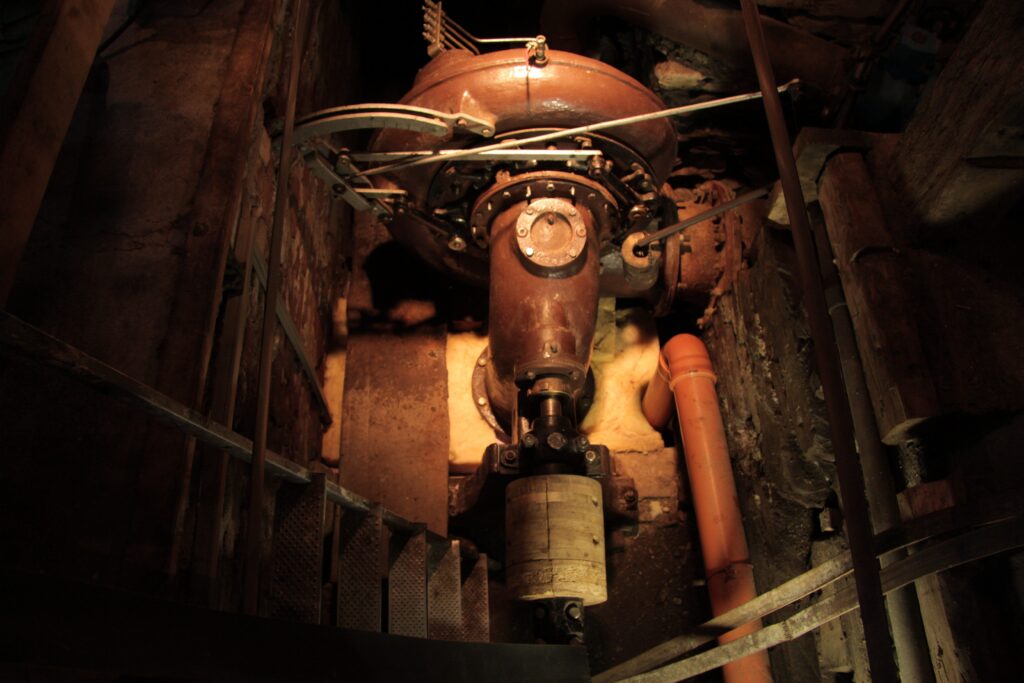
The Francis turbine is a water turbine which was developed in the USA by the engineer James B. Francis (1815-1892). It is…
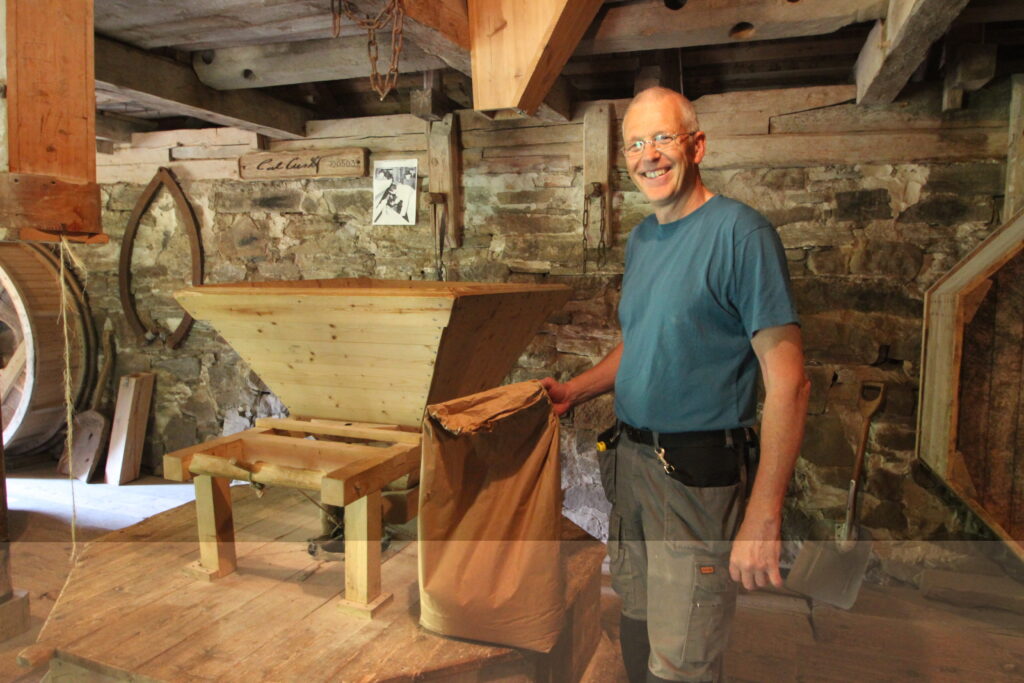
Filling a paper bag with flour. This watermill is placed in Röttle nearby Gränna in Sweden and it’s called Rasmus Kvarn. The…
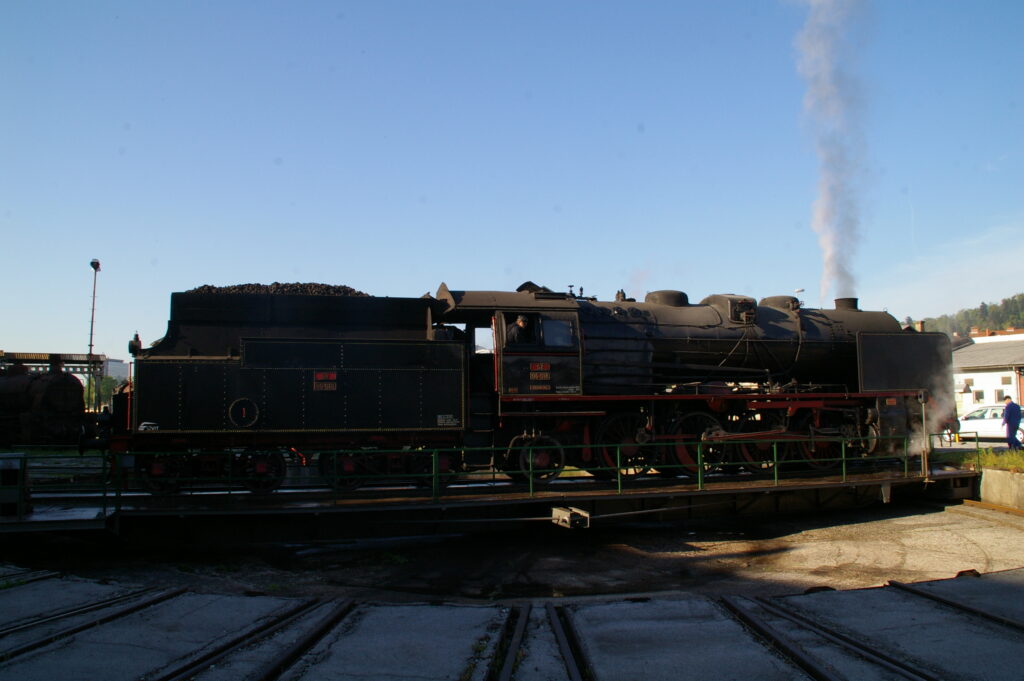
The sound: Locomotive moving onto turntable and being turned. In line with the concept of German standardised locomotives set out in 1920,…