Police – handcuffs
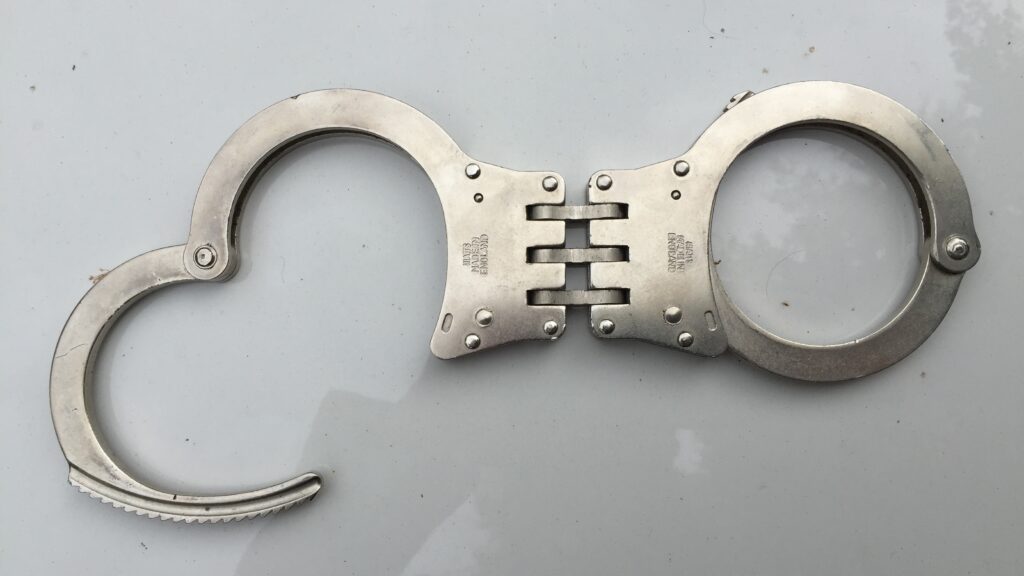
Handcuffs closed. Handcuffs are restraint devices designed to secure an individual's wrists close together. They comprise two parts, linked together by a…

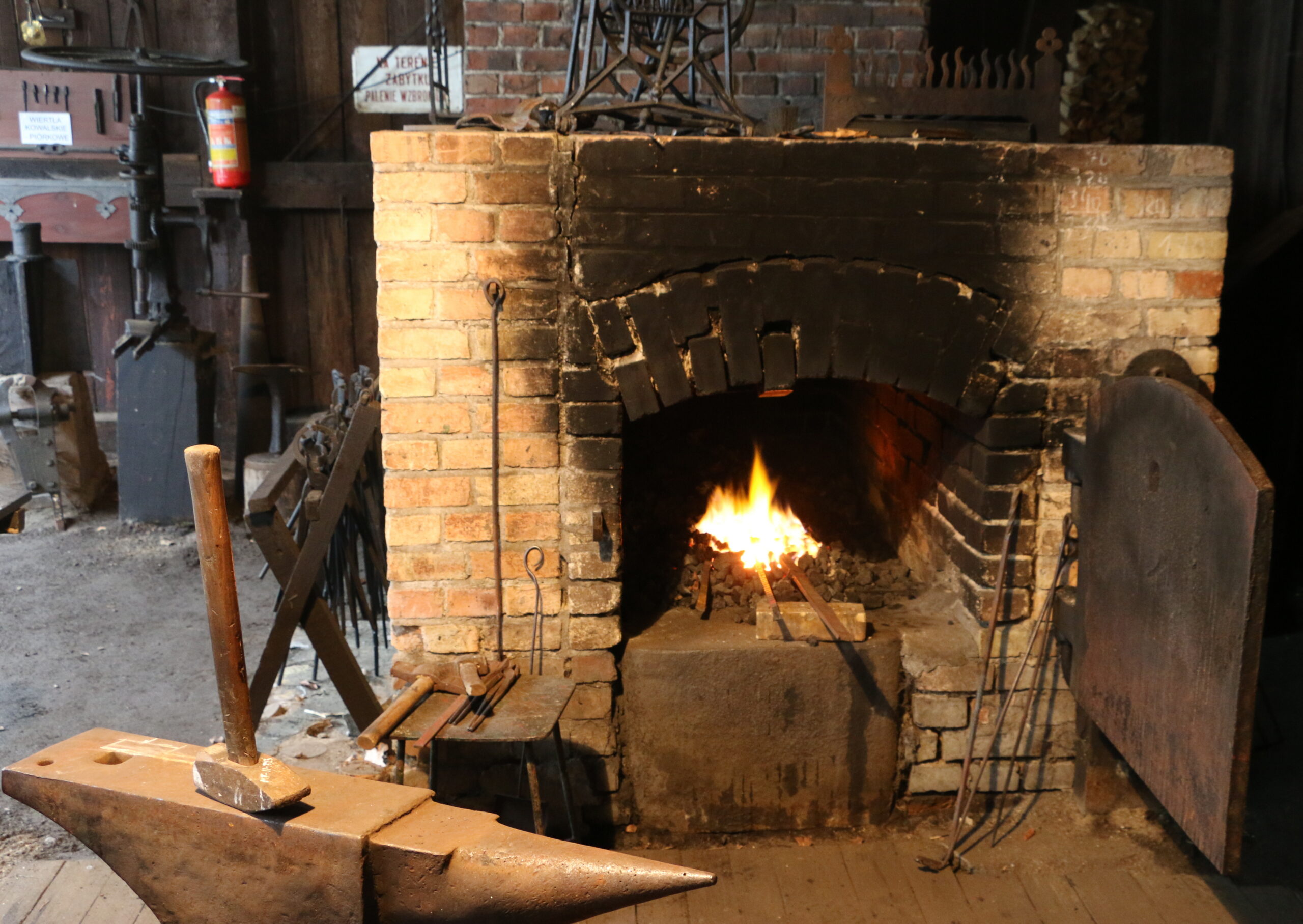
The sound of manual forging of steel; two blacksmiths are alternately hitting hot steel placed on the anvil with hammers. The recording was realized in the historical water smithy in Gdańsk (Oliwa district) constituting the department of the Museum of Technology in Warsaw.
The water smithy in Oliwa was in operation from at least 1597 to 1945. Not every type of steel was suitable for processing with the use of water power, that is why manual forging was also performed in the smithy. The facility is equipped with two stoves in which the hearths are located very low, as the processed pieces of steel weighed even up to 250-300 kg. Due to their weight, they were picked up with blacksmith tongs and transported to the forging post by 4 – 6 blacksmiths. Depending on the dimensions, the process of heating a piece of steel in the stove could last from several minutes to a dozen hours.
12 blacksmiths worked in the smithy in the periods of economic prosperity. Apart from them, a dozen persons responsible for the maintenance of water equipment were employed. Their duties included the melioration of ponds, preparatory works connected with damming and maintaining proper condition of water wheels.
It is estimated that tools for manual forging used in the water smithy in Oliwa were manufactured in the late 19th or early 20th century.
Sound recordist: Monika Widzicka
Photographer: Piotr Leszczyński
Handcuffs closed. Handcuffs are restraint devices designed to secure an individual's wrists close together. They comprise two parts, linked together by a…
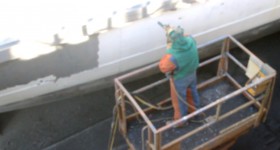
Sandblasting is used to remove paint and rust from the ship hull. Sandblasting is a general term used to describe the act…
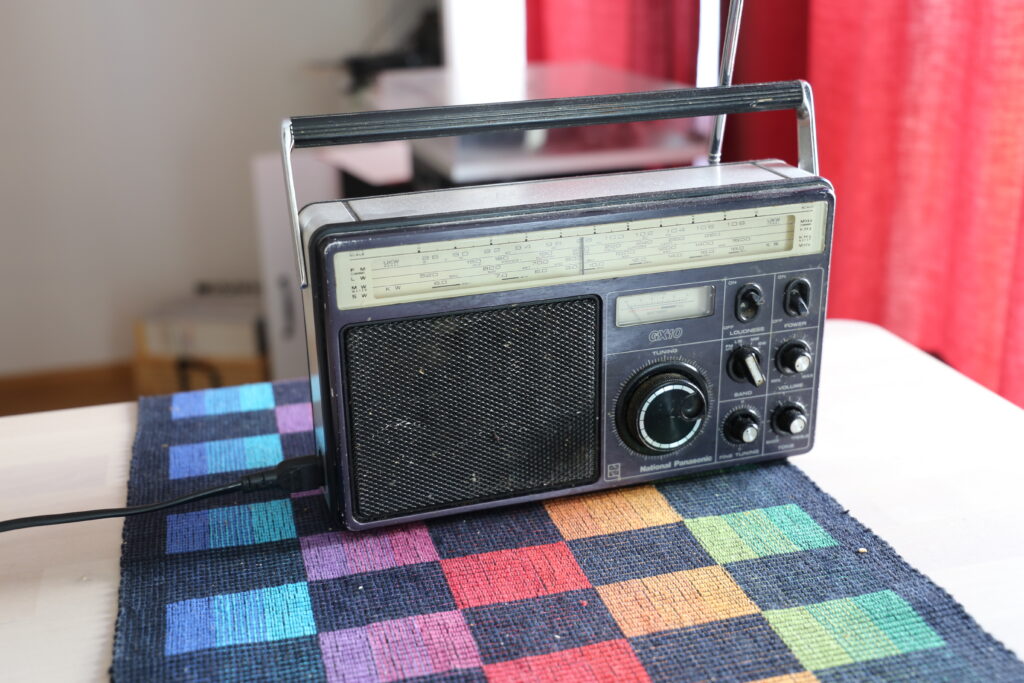
A big change is on its way within the field of commercial radio transmissions. The old analog radio transmissions is being replaced…
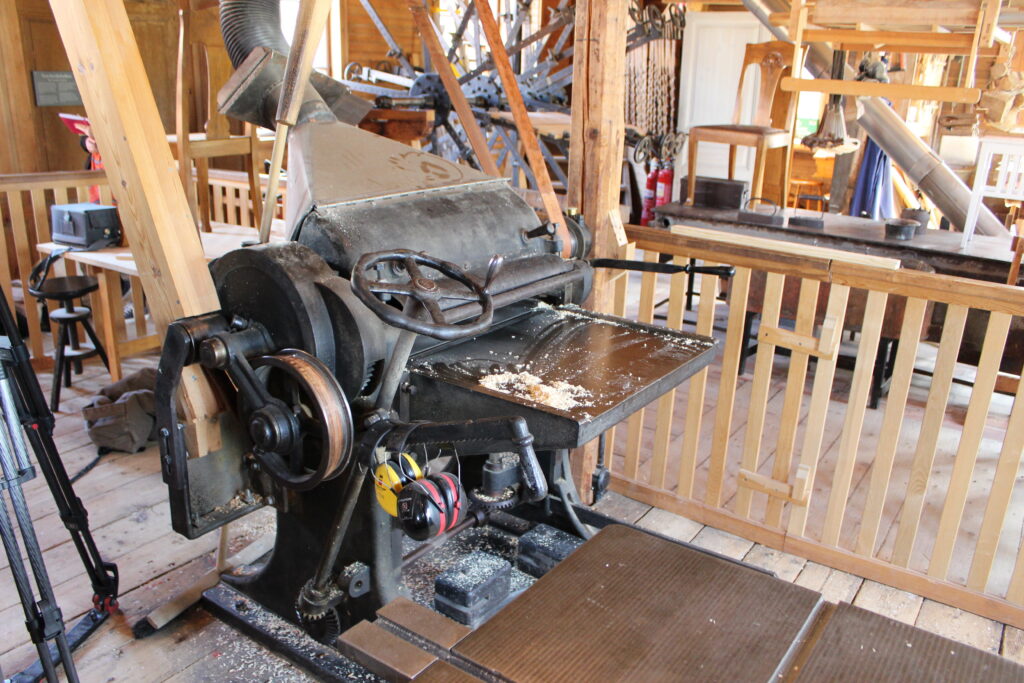
Mono recording close to the cutters. You can find this Thickness planer from about 1910 at Skansen in Stockholm. The cover that…