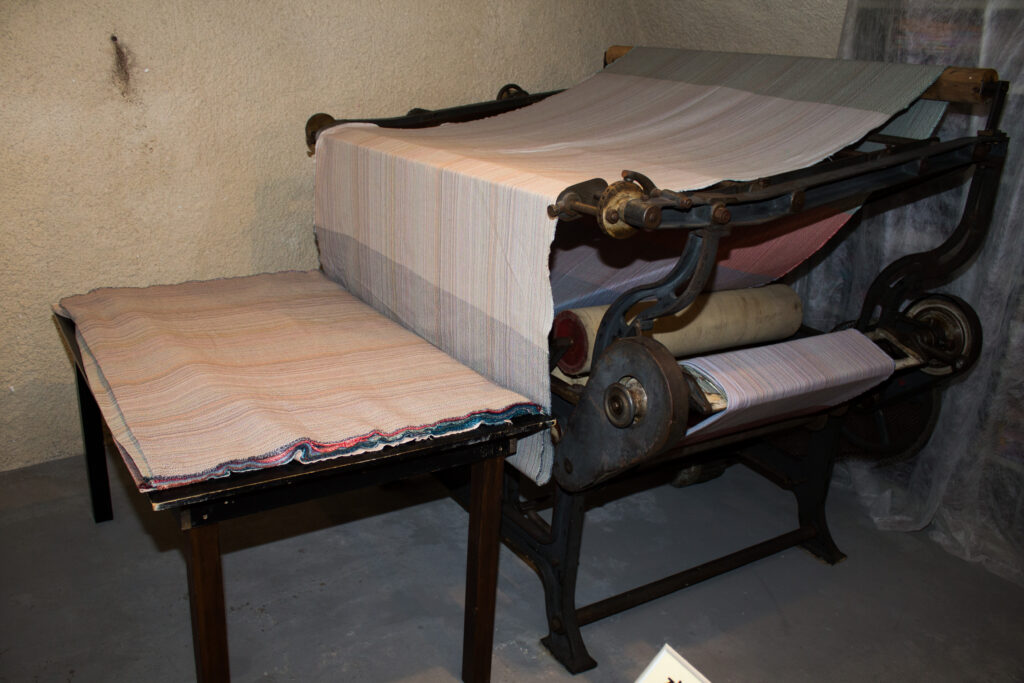
WINDING MACHINE
This winding machine of an unknown manufacturer, was in operation at the Induplati Jarše textile company during the period 1925–1997. After the…

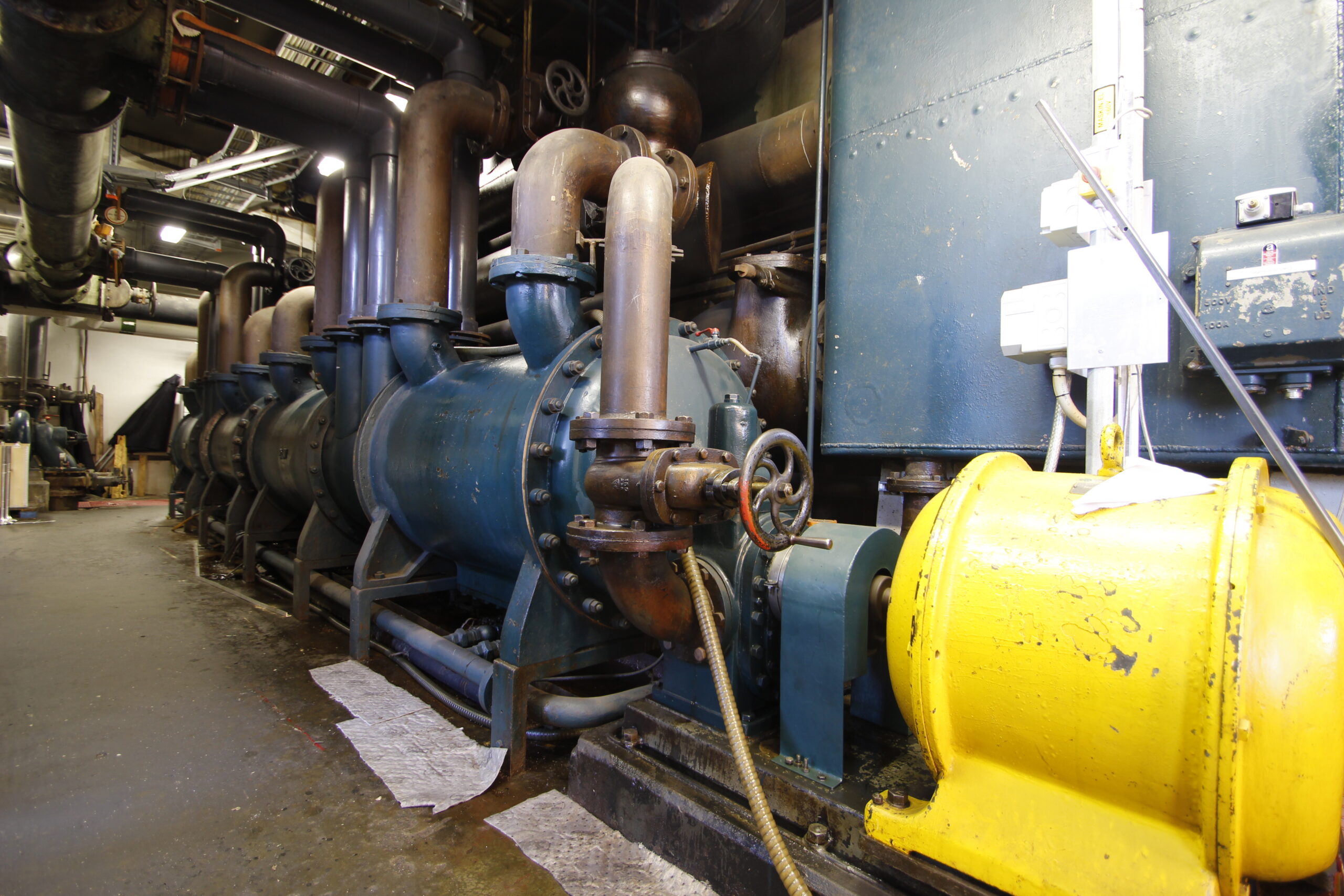
The bearings on H.C. Ørsted engine are pressure lubricated at a pressure of 2.5 bar. The 40 tons content of the lubricating oil tank is injected through the bearings as lubricating oil and through the pistons as cooling oil approx. 10 times an hour.
From its first trial run in 1933 and some 30 years ahead, the H.C. Ørsted engine was the largest land-based power plant engine. Up until the late sixties, the purpose of the engine was to generate electricity to Copenhagen and most of Zealand during the peak loads of the electricity grid, in the morning and at 15.00-16.00 when most people got off from work. During the Second World War, the H. C. Ørsted power plant and its engine played an important role as a hideout for the resistance movement and a place where they could store weapons and other resistance effects.
A special feature of the engine is that it is a double-acting two-stroke engine. This means that ignition takes place both when the piston is in its top position and when it is in its bottom position – a technology which is no longer in use.
H.C. Ørsted engine
Cylinders = 8
Length = 24.5 m
Height = 12,5 m
Output = 22,500 effective horsepower
Total weight = 1 400 tons
1 complete cylinder = 20 tons
Weight of the 730 mm thick crankshaft = 140 tons
Turning wheel = 80 tons
The engine was last in use during the extensive power breakdown in 2003 that hit Copenhagen and most of Zealand and large parts of Sweden. The engine’s ability to start unaided without the use of electricity meant that it played a major role in the efforts to re-establish power, because modern-day engines need electricity to be able to start.
Today the engine is started to enjoy the attending public.
Sound recordist: Torsten Nilsson
Photographer: Torsten Nilsson
Video recordist: Torsten Nilsson
This winding machine of an unknown manufacturer, was in operation at the Induplati Jarše textile company during the period 1925–1997. After the…
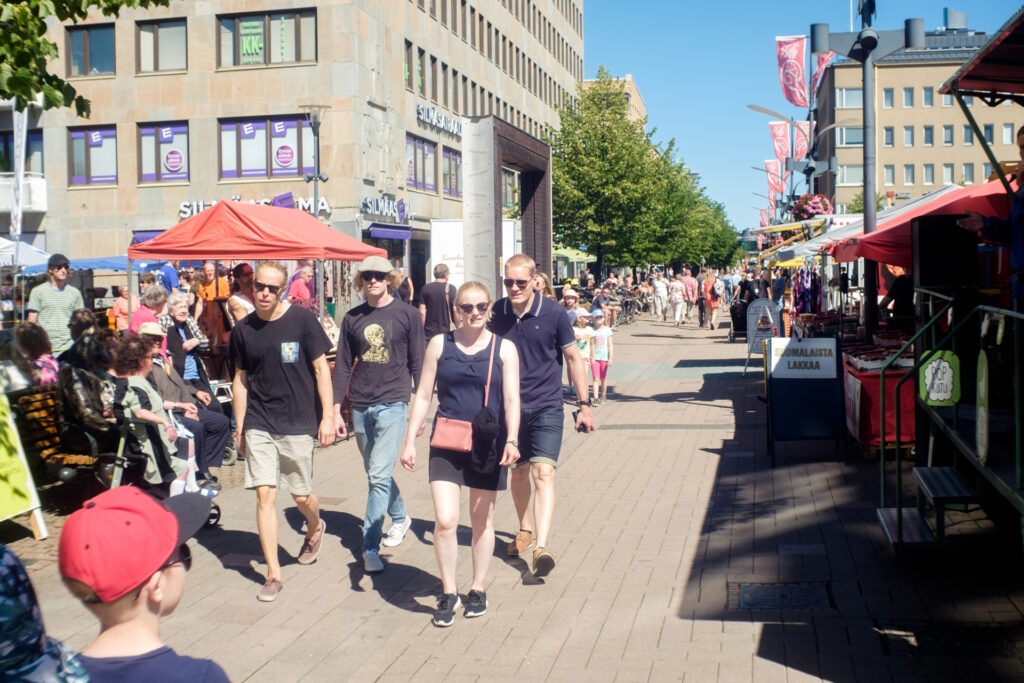
This recording is a sonic walk through the Joensuu market area. You can hear the shopkeepers selling their products, a children’s music…
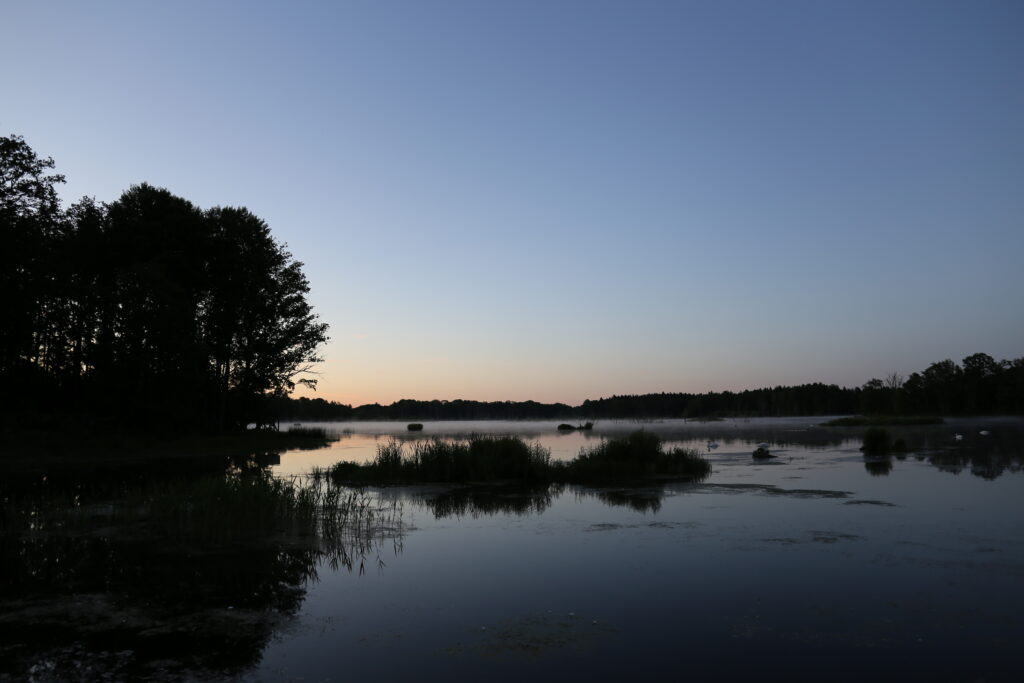
Tinnerö Oak landscape is a nature reserve in Linköping Sweden. These four recordings where made at the lake “rosenkällasjön”. Tinnerö is a…
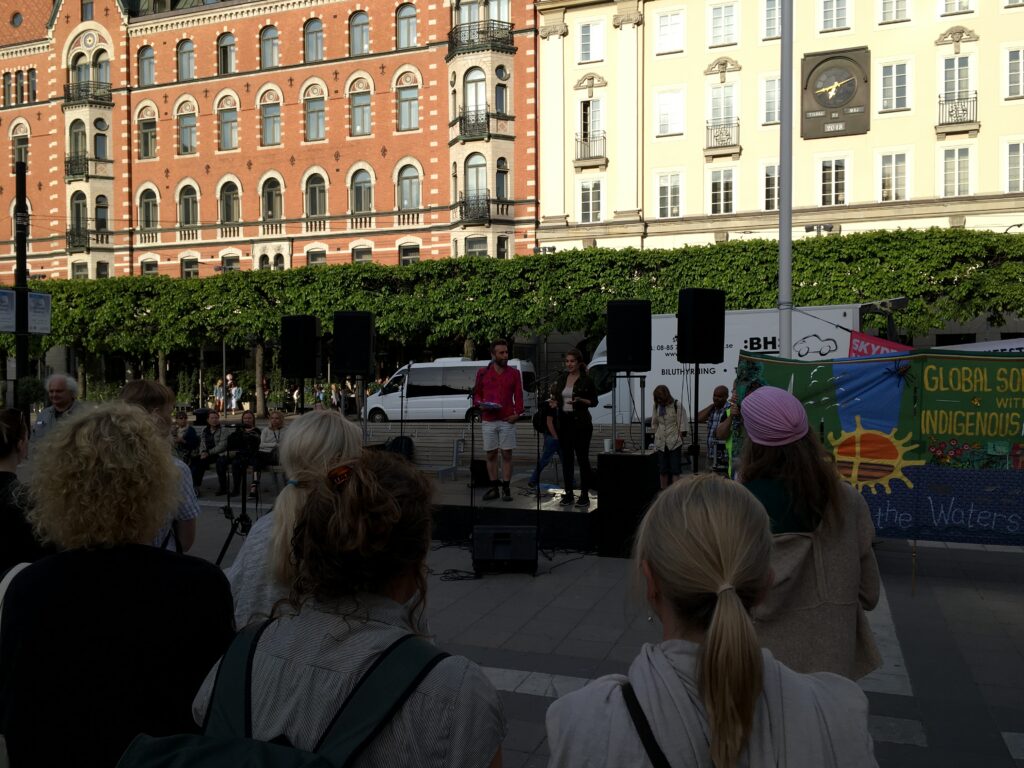
The 22nd of May 2018 was the international day for biological diversity. This day in Stockholm there was a manifestation held by…