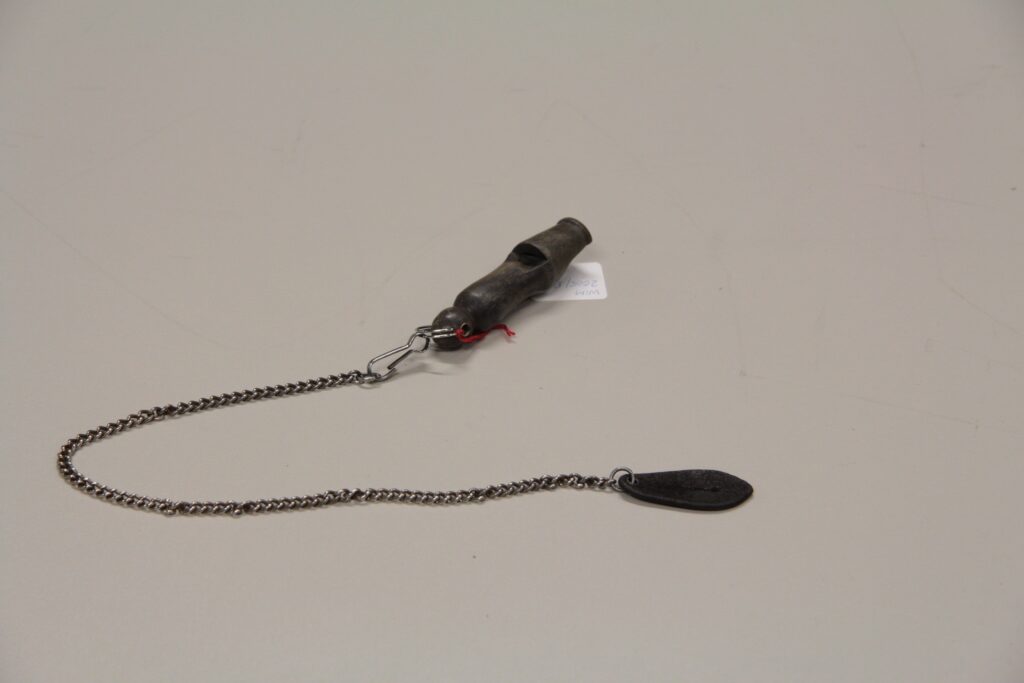
Signalling whistle
The signalling whistle from the 1950s was part of the work equipment used by a shunter for the industrial railway at the…

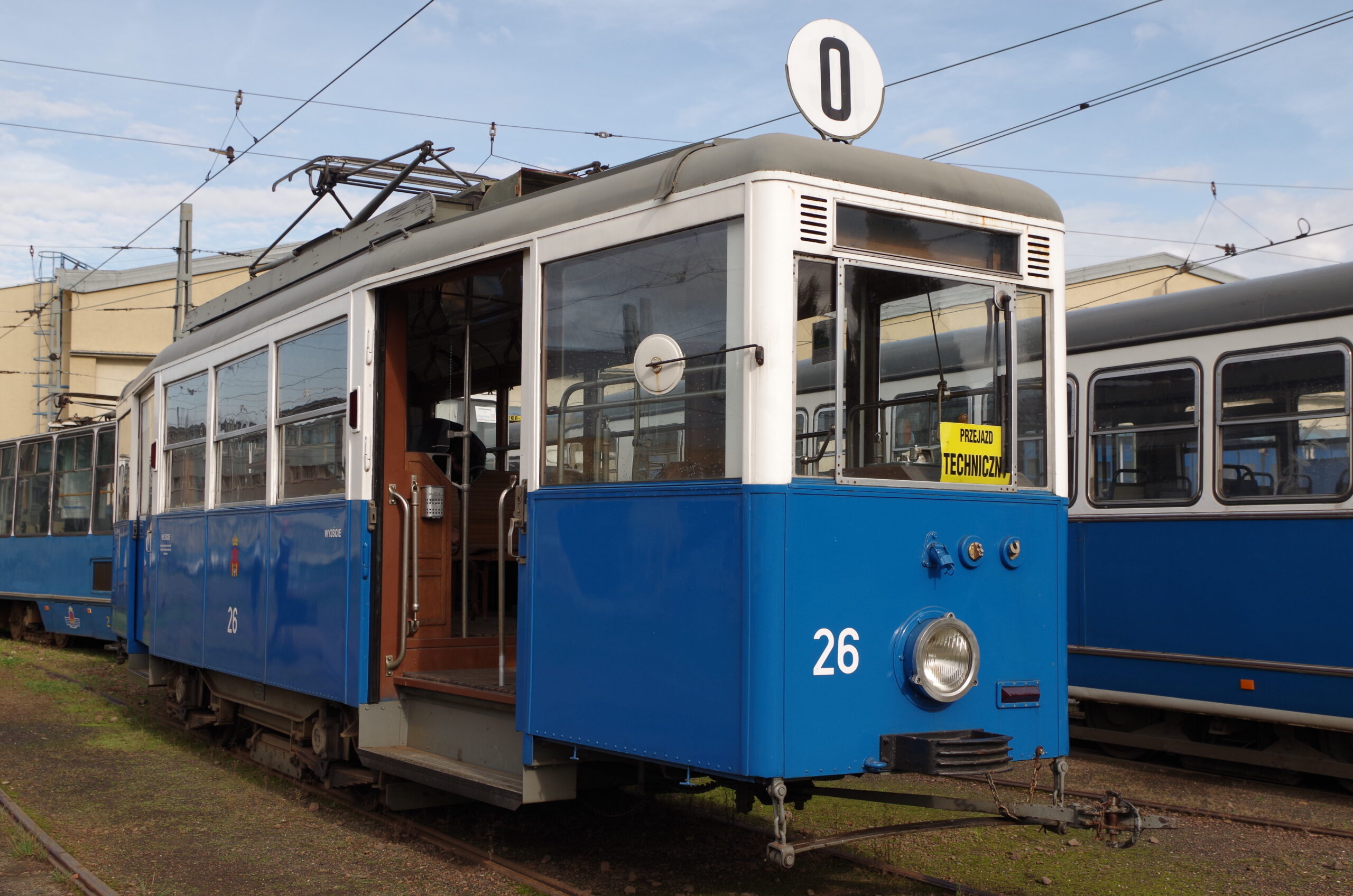
The sound of doors opening and closing in an N type tram car.
The N type tramcars were the first trams purchased for the city of Krakow after WW2. The design of N tramcars was based on the design of the German Kriegsstraßenbahnwagen (KSW) - the "wartime" tram with a simplified construction, adapted to production and operation in war conditions. The cars were supplied from Konstal steel structures factory in Chorzów, Tramcars Factory in Sanok as well as Northern Shipyard in Gdańsk. Their main advantage was constituted by big passenger capacity. The tram of this type could accommodate up to 80 passengers at a time, including 16 seats. It was also possible to form three-car vehicles consisting of a power car and two trailers. They were, however, treated as an interim solution and were supposed to be replaced with modern high-speed trams. Due to delays in works and in subsequent supplies of vehicles of this type together with economic crisis lasting in Poland since the second half of the 1970s, type N and type ND cars together with their updated versions 4N and 4ND were in operation in Krakow as late as until the year 1988.
The tram belongs to Miejskie Przedsiębiorstwo Komunikacyjne S.A. public transport company in Krakow and during the recording it was being exhibited at the Museum of Urban Engineering. The car is in operation and is occasionally used in the streets of Krakow. The N type tramcar recordings were used in the audiovisual installation "The Ghost Tram" under the "Sounds of Changes" project.
Sound recording: Marcin Dymiter aka Emiter
Photo: Piotr Leszczyński
The signalling whistle from the 1950s was part of the work equipment used by a shunter for the industrial railway at the…
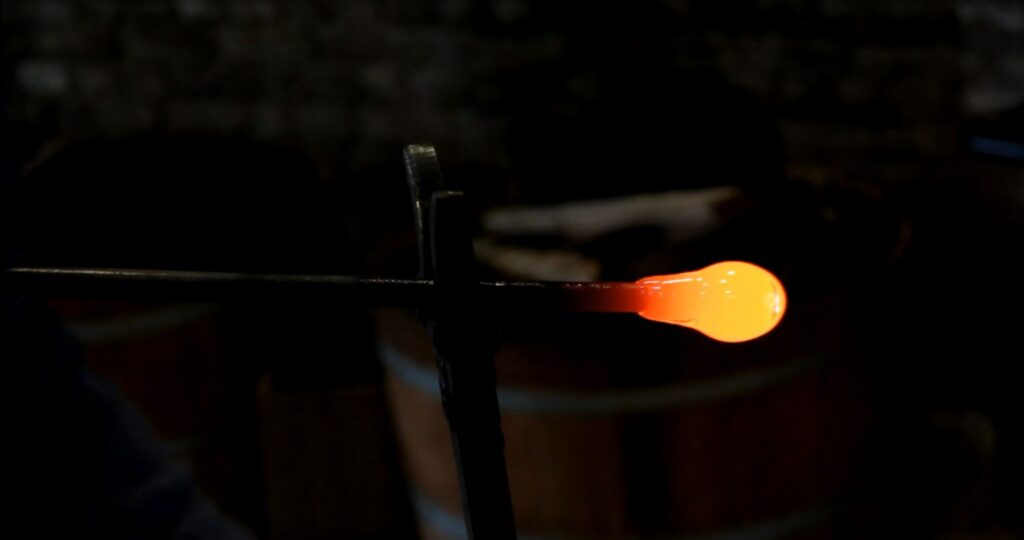
Since 1979 the LWL- Industrial Museum Glashütte Gernheim has provided insight into traditional glass-manufacturing through presentations. The recording one can hear two…
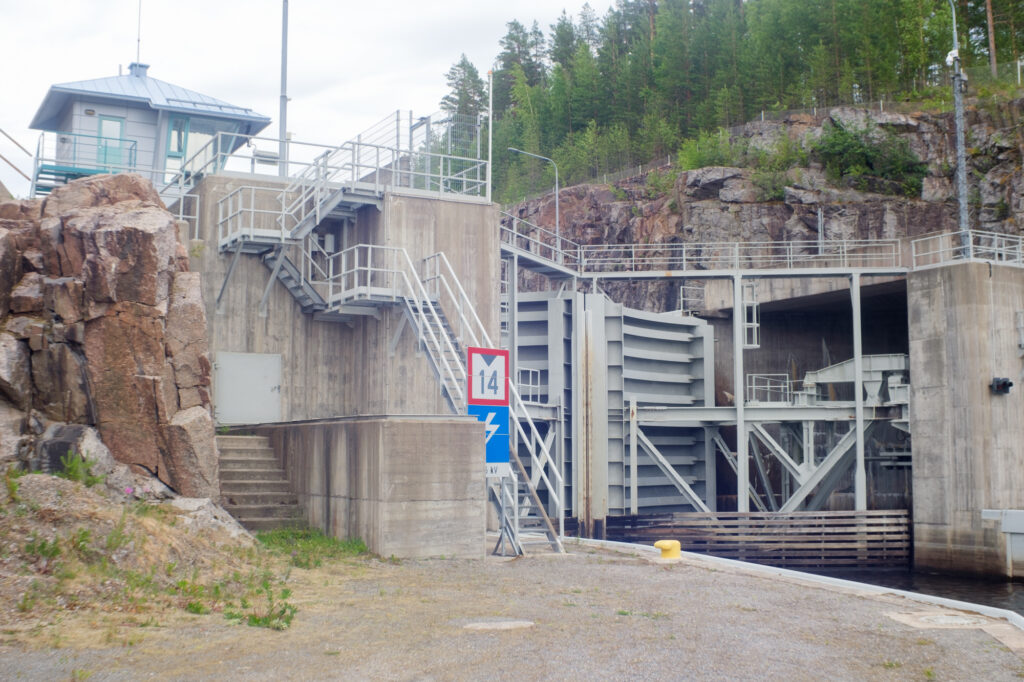
Keitele canal connects two biggest lakes in Central Finland, Lake Päijänne and Lake Keitele. The canal route is over 45 kilometres long…
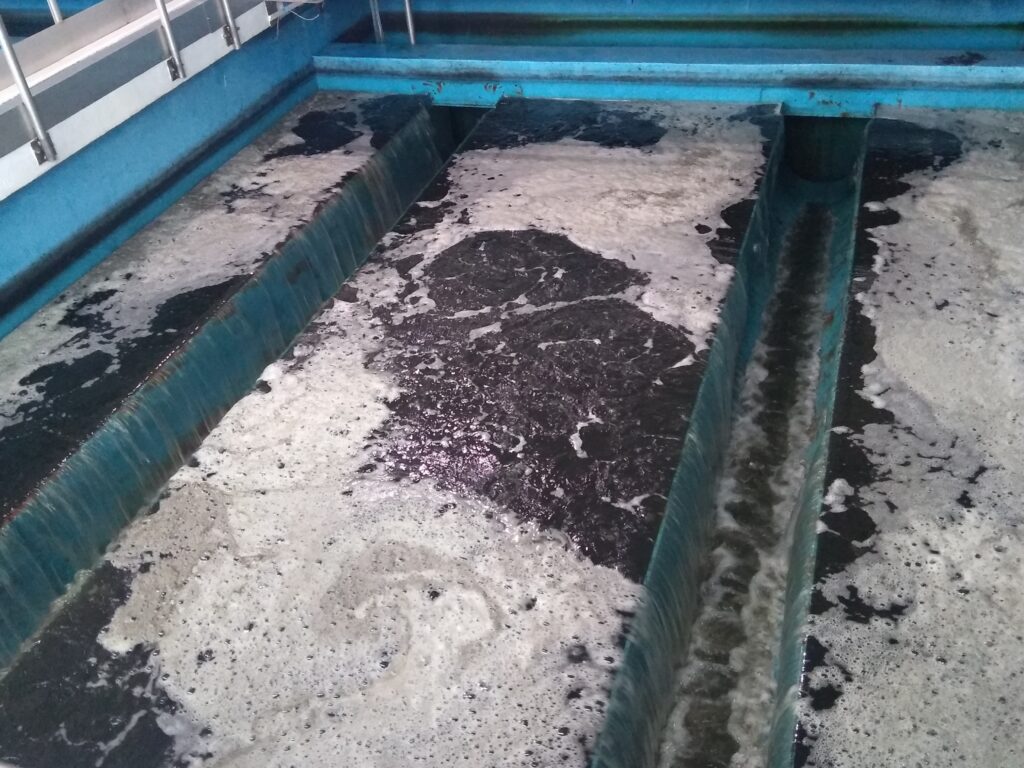
The sounds recorded at the completion of the aeration and rinsing process of the filter bed in the sand filter building. The…