Automatic butt-welding machine
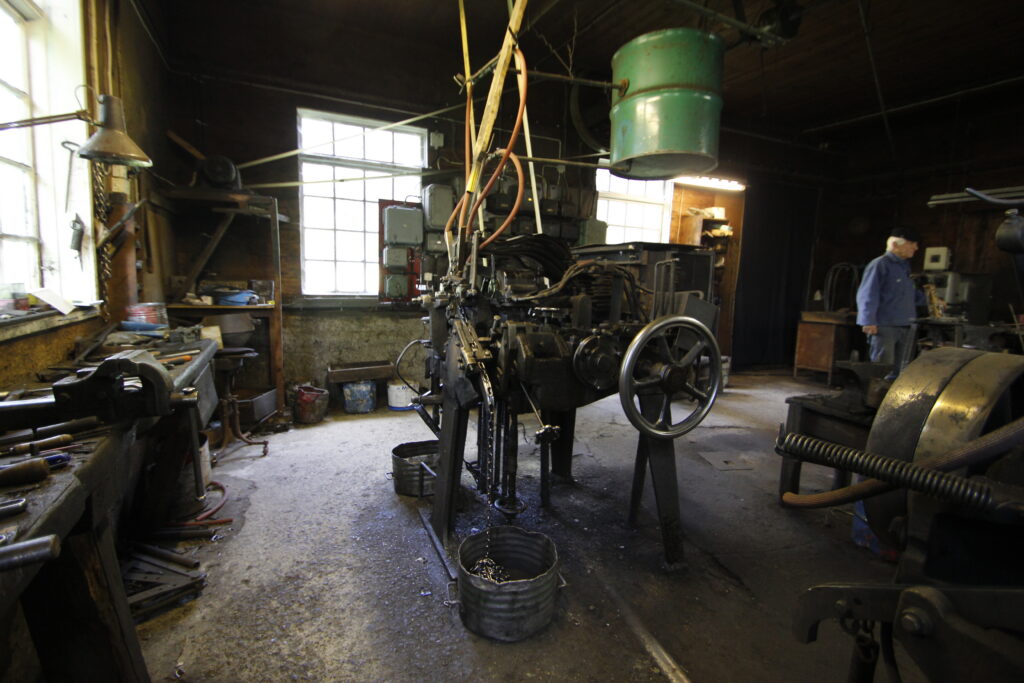
Butt welding is a welding technique used to connect parts which are nearly parallel and don't overlap. Butt-welding is an economical and…

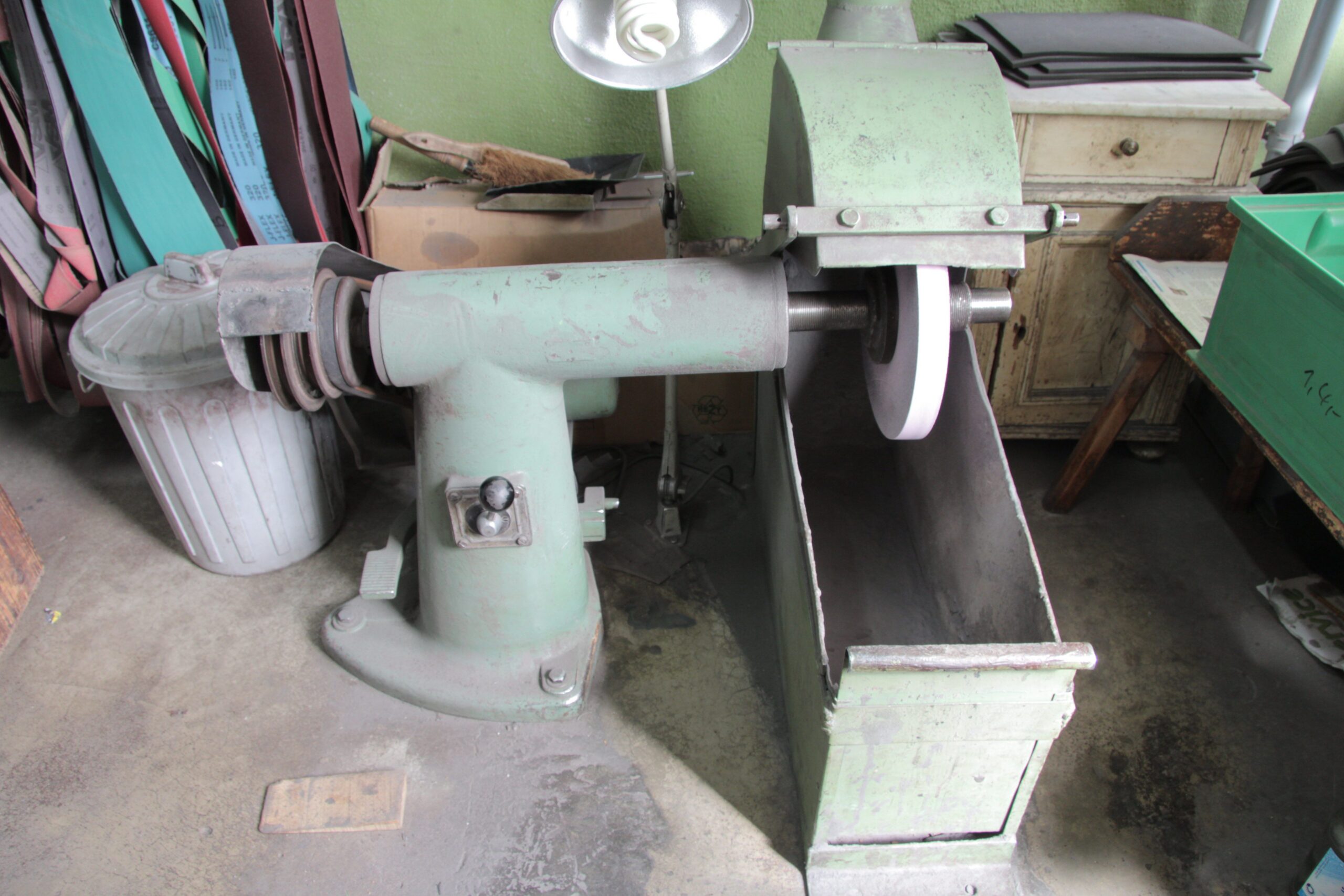
The electric whetting trestle from the 1980s is used to further refine the cutting edge of the blade from the point of the knife to the bolster. The blade is pulled evenly along the fine whetting stone. This is one of the last steps in the process of manual blade manufacturing: only at this juncture does the knife achieve its final level of sharpness.
Besides the electric motor, the characteristic sounds of this work can be heard: they are made by the whetting of the blade on the grinding wheel.
The whetting trestle is in use at the knife factory Windmühlenmesser Robert Herder in Solingen (Germany, North Rhine-Westphalia), which was founded in 1872. Today the enterprise is in its 4th generation, headed by Giselheid Herder-Scholz. It has maintained techniques and methods of manual knife-making which have vanished more and more with the growth of mechanical fabrication.
In Solingen the production of blades has a long tradition. As early as the 14th century blades were made in large numbers in Solingen. Until the end of the 19th century the entire economy of Solingen was dominated by the cutlery industry.
Sound recordist: Konrad Gutkowski/Julian Blaschke
Photographer: Konrad Gutkowski/Julian Blaschke
Video recordist: Konrad Gutkowski/Julian Blaschke
Butt welding is a welding technique used to connect parts which are nearly parallel and don't overlap. Butt-welding is an economical and…
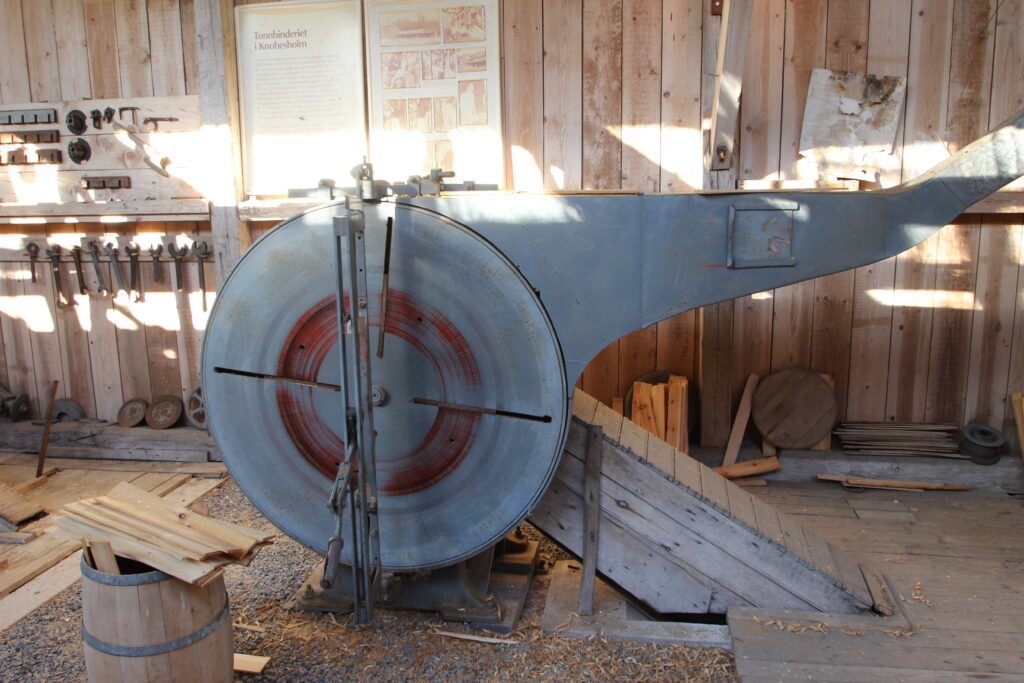
Planes the sides of each plank so that they have an oval shape and fit together to form a drittel/barrel. Manufactured by…
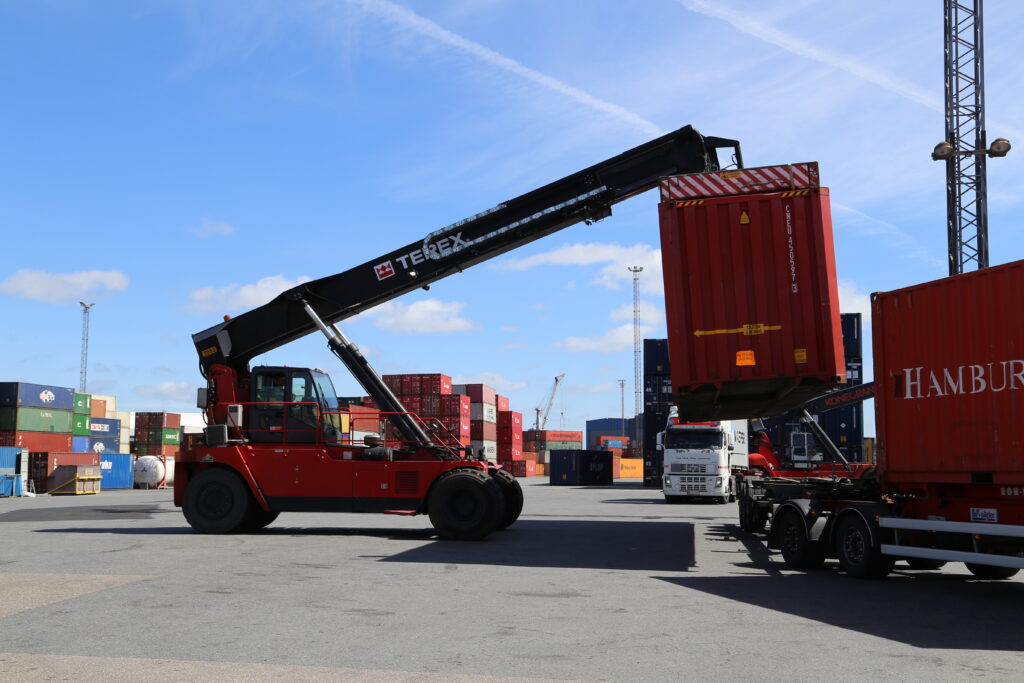
Container reach stackers load and unload trucks at the container berth. The red stacker is made by Kone Cranes, model SMV 4531…
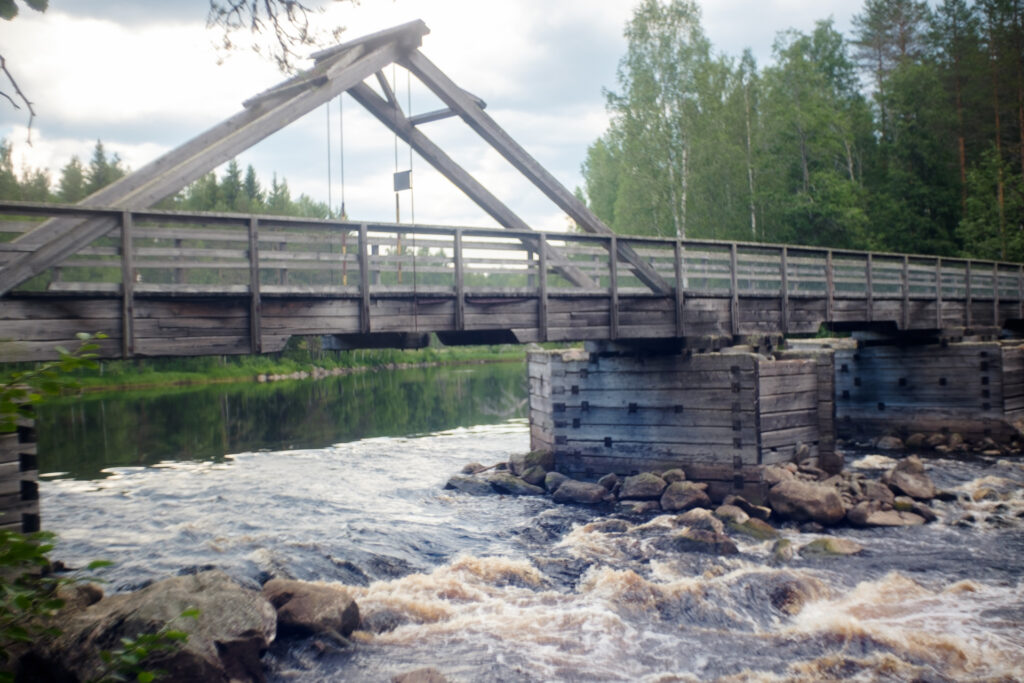
In this soundscape you can hear the approaching thunder in Lotinankoski rapids. The constant and dominating sound of this recording is the…