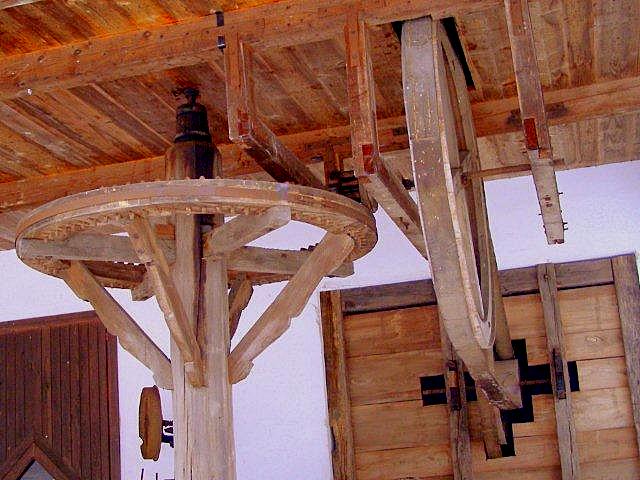
Motor-powered Past, Gepelj- driving with the aid of a harness
"Gepelj" is a capstan powered by draught animals which kept moving in circles. By way of a lever and underground transmission, the…

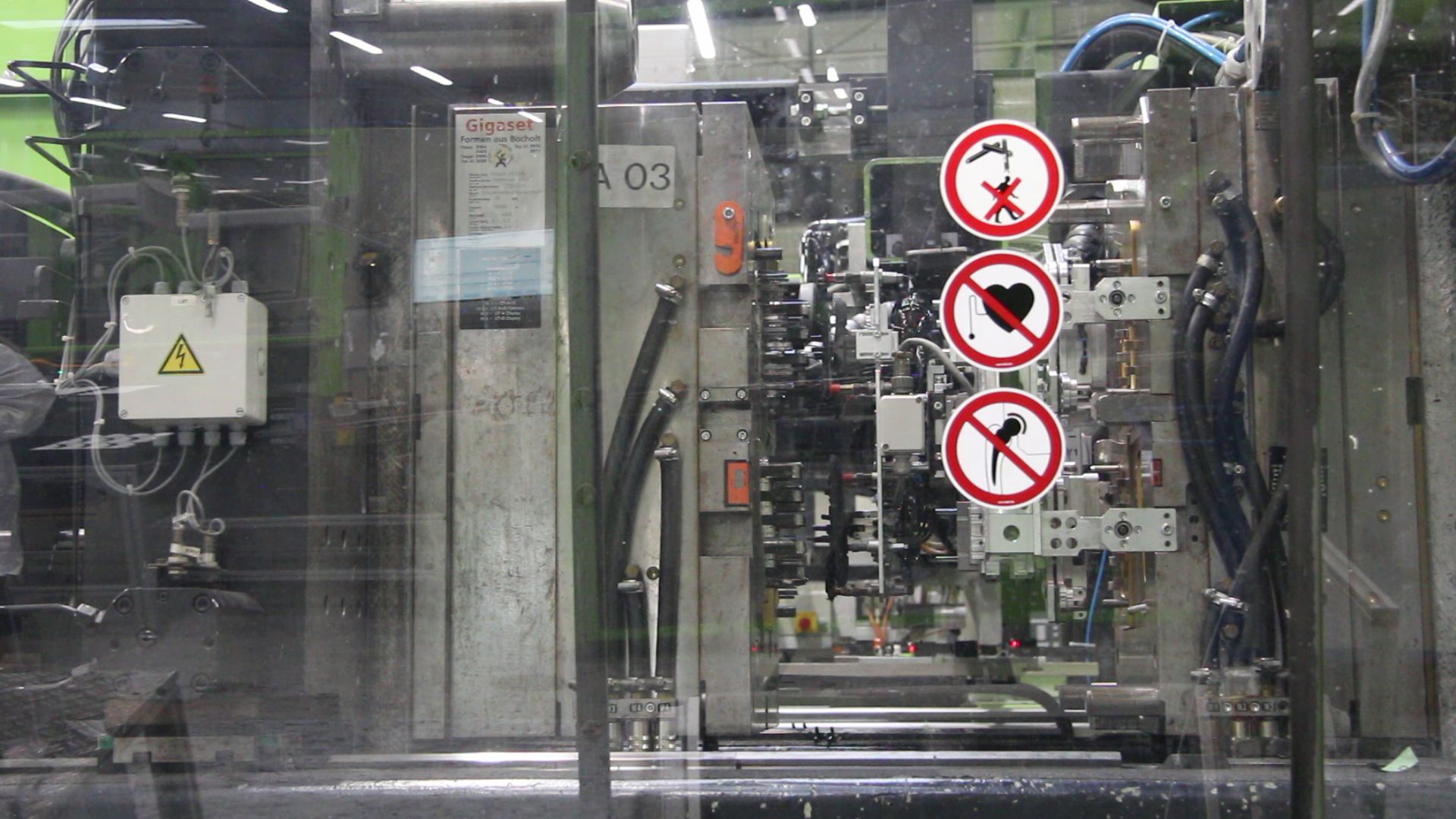
Since 1941 Siemens has been producing telephones in the small town of Bocholt, Germany. Today there are still 550 workers making cordless telephones for Gigaset, which separated from Siemens in 2010.
In hall 50 Gigaset produces 8.000.000 cordless telephones per year, checks their quality and packages them until they are ready to be send to retailers: At the design centre they form the plastic cases of the phones. At the SMW department large machines populate printed circuit boards (the telephone’s electronic core) and at the quality inspection all buttons and functions of the finished phones are being checked.
The Engel “in mould decoration”-machine, which can be heard in this recording, is part of the design centre. The machine adds the decorative silver frame to the black plastic front covers of the cordless telephones. For that the finished black frame is combined with a silver foil. The foil already has the shape intended. In another moulding process molten plastic granulates are injected behind this foil to solidify it.
This recording was made from the front of the machine where the moulding process takes place. A robotic arm simultaneously inserts two new black plastic frames and foil into the machine and extracts to finished covers. You can hear the ventilators of the machine, as well as the movement of the robotic arm and its pneumatic gripping system, a “smacking” sound.
Since the recording was made during running production you can also hear the sounds of other machines, air condition and movement in the background.
Sound Recordist: Kathinka Engels
Photographer: Inke Pickhardt
Video Recordist: Inke Pickhardt
"Gepelj" is a capstan powered by draught animals which kept moving in circles. By way of a lever and underground transmission, the…
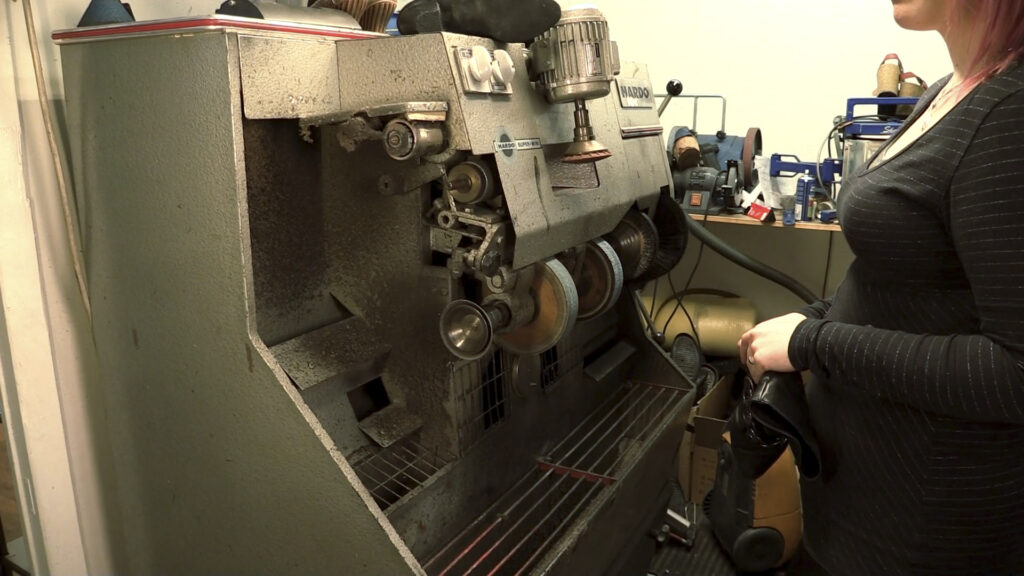
Hardo Super-mini HARDO d-4902 Manufactured in 1983 by Bad Salzufen Spezialfabrik für Shuhmascinen in Germany Motor was replaced in 2000. One can…
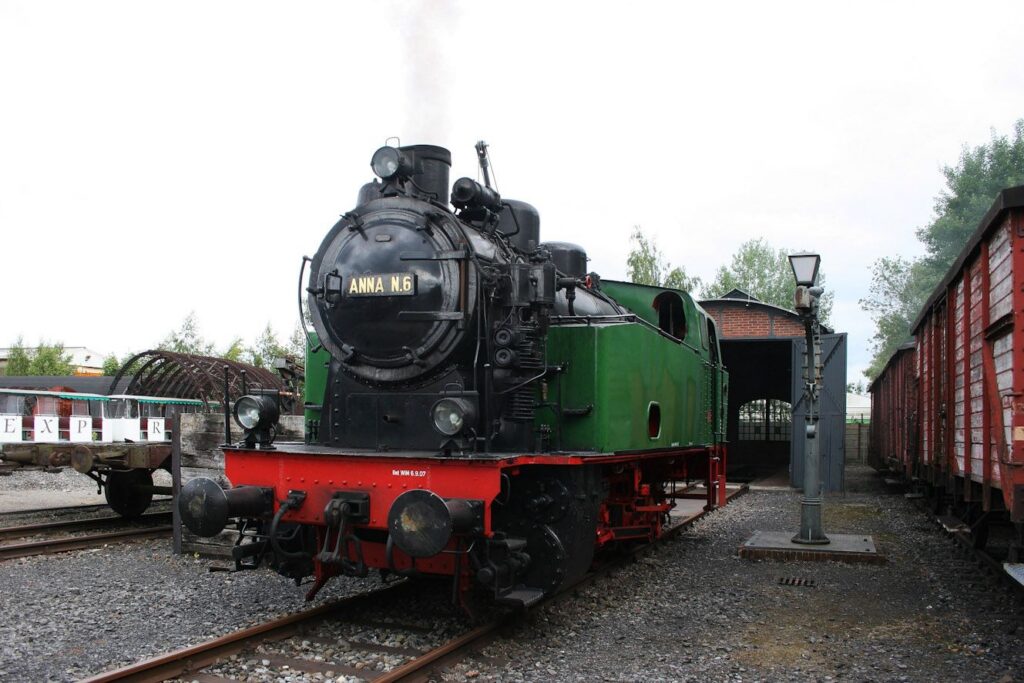
The steam locomotive “Anna No. 6” was built in 1940 in the Friedrich Krupp factories in Essen. Up until World War II…
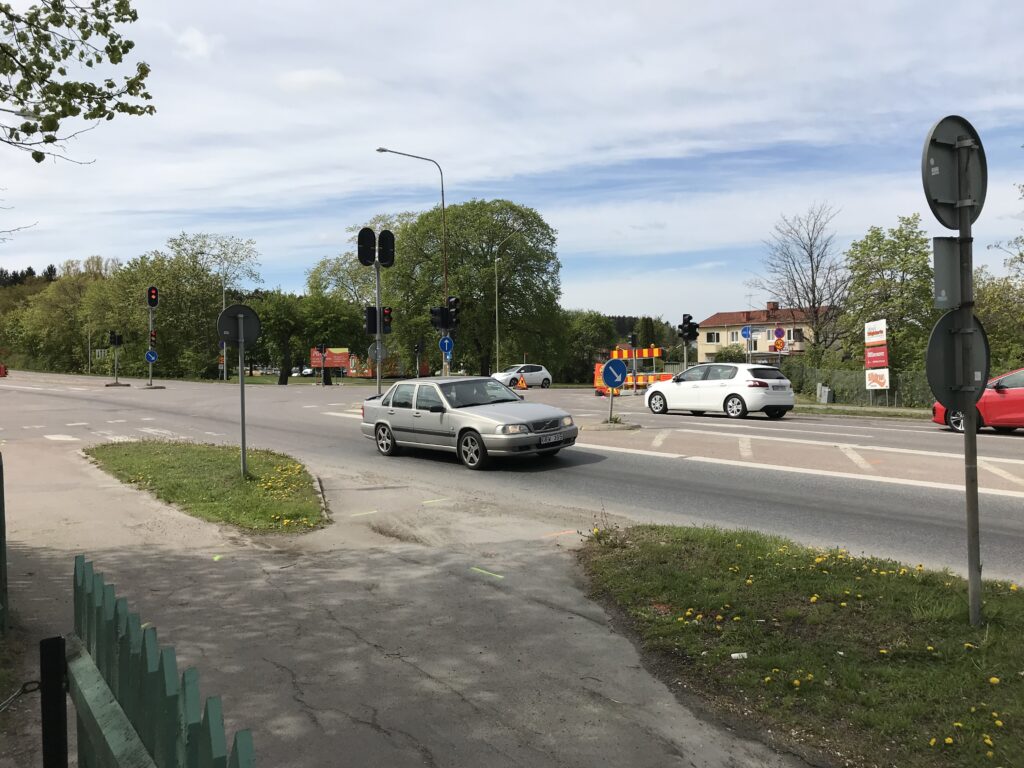
The city of Linköping (Sweden) have experimented with a kind of noise reducing asphalt. The idea is that this asphalt can replace…