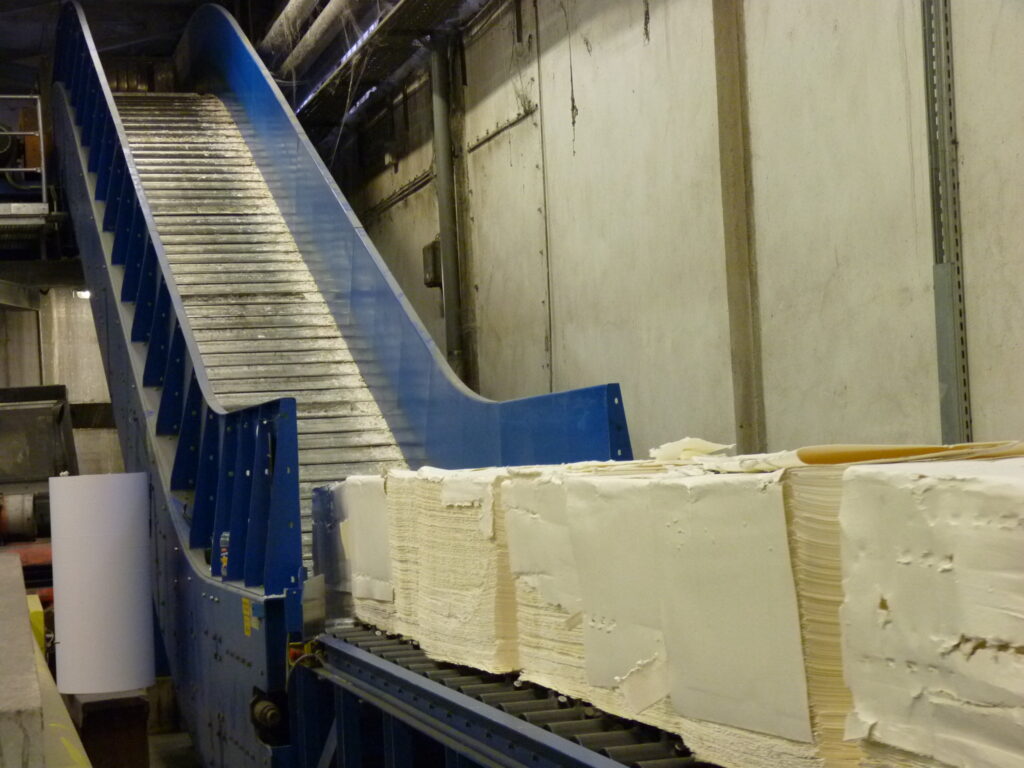
Pulping department – cellulose in the pulper
The Goričane company originates from one of the oldest Slovenian paper mills, established in 1740. The company has been producing paper at…

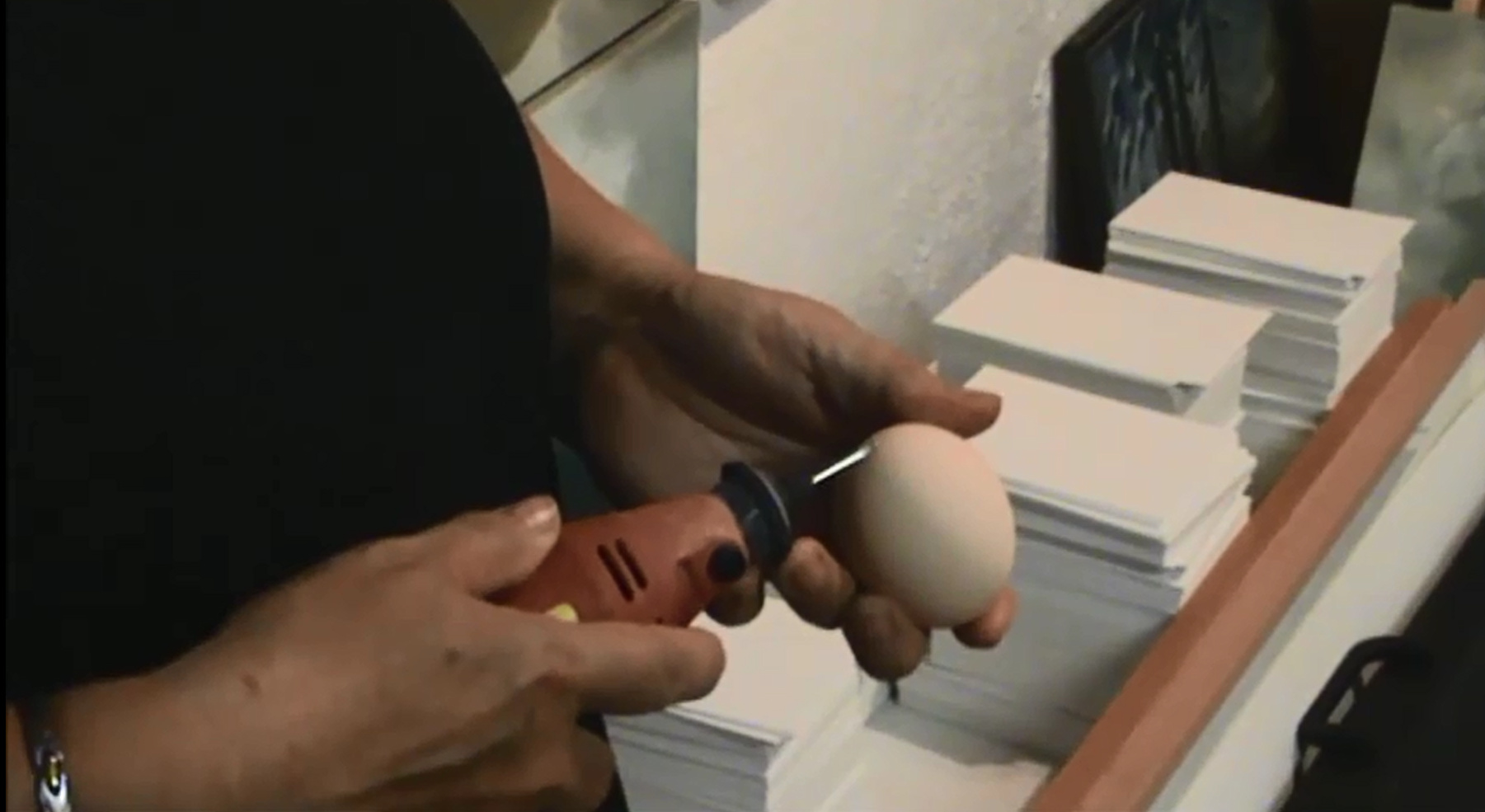
Before Easter eggs are decorated, the yolk and white have to be removed from inside the shell. Two holes are drilled, one at each end of the egg and the contents are blown out. In the past, the holes were drilled by hand, but today electric drills are used.
In the recording Anica Kosednar is drilling the egg.
Remenke or Remenice are decorated Easter eggs made in the north-eastern part of Slovenia in the Prekmurje region. The eggs are decorated using a traditional intaglio technique in which designs are created by incising into the surface of an eggshell with a sharp blade.
Chicken, goose, duck and more recently ostrich eggs are first "blown" and then the eggshells are decorated. Once the egg is blown, the eggshell is coloured with synthetic wood dyes in either transversal or longitudinal stripes. When they have dried, different motifs are then scratched through the coloured layer with a sharp blade. Remenke are traditionally decorated with floral motifs, for instance bunches of flowers, although other motifs have been used more recently.
The intaglio technique and the use of wood dyes emerged in Prekmurje between the world wars. Remenke, which are traditionally made and exhibited in Easter time, can also be found as souvenirs throughout the year. They are one of most distinctive elements of folk tradition and identity for the local population.
Sound recordist: Boštjan Troha
Photographer: Irena Marušič
Video Recordist: Barbara Grilc
The Goričane company originates from one of the oldest Slovenian paper mills, established in 1740. The company has been producing paper at…
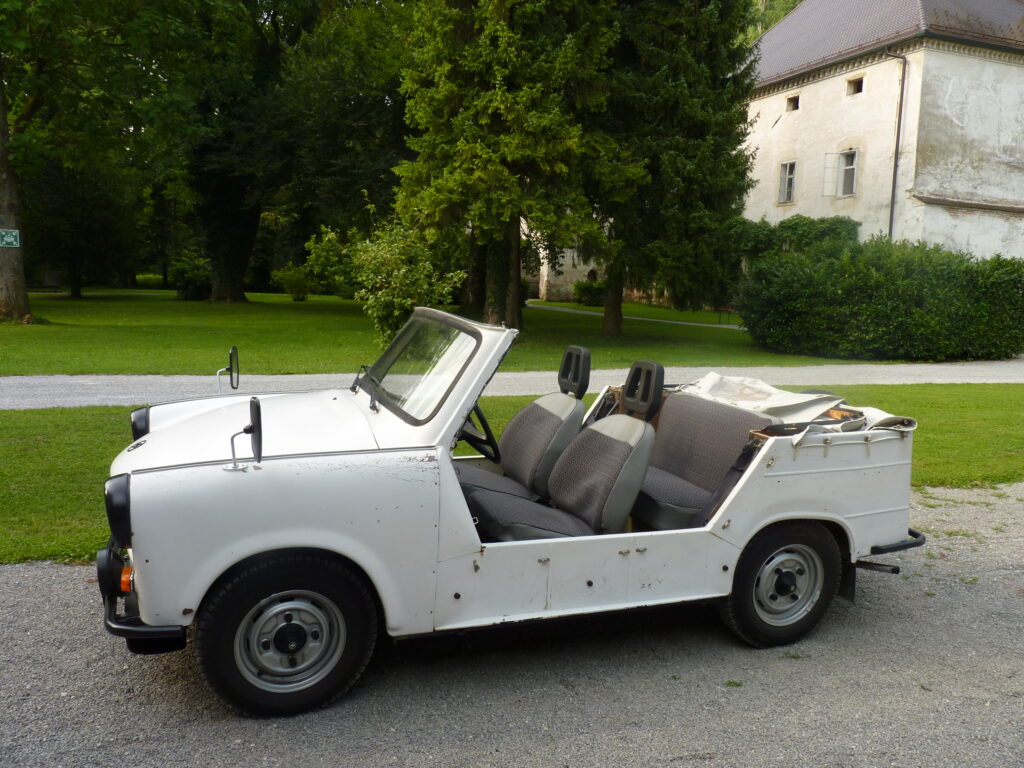
The Trabant 601 Tramp Car is a civilian version of the Trabant Kübel, primarily intended for use by the East German Army…
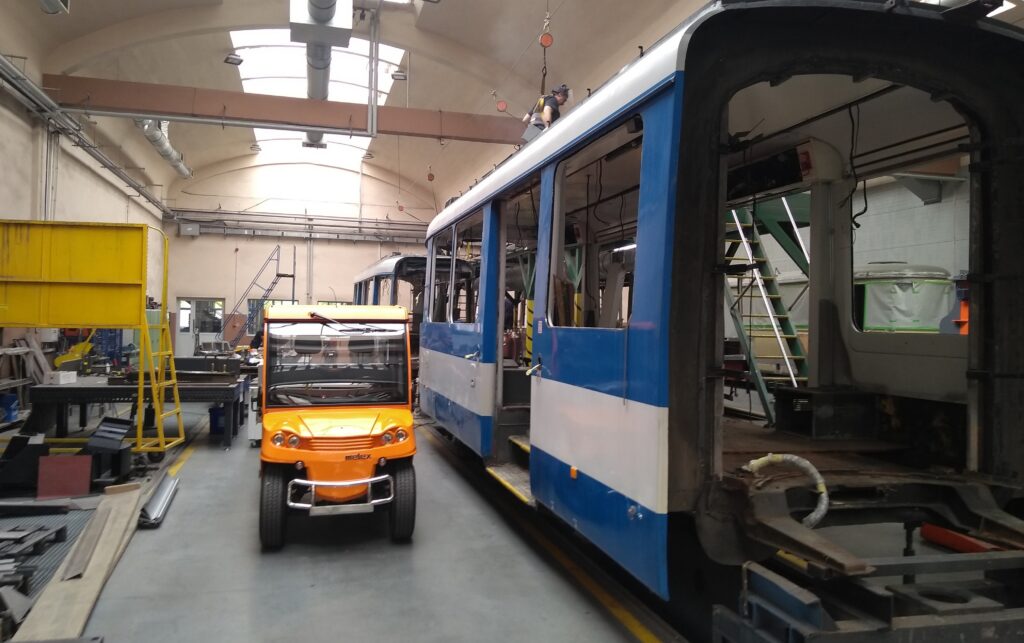
The soundscape of the repair hall at Podgórze depot. The recording was made in the part of the hall where overhauls are…
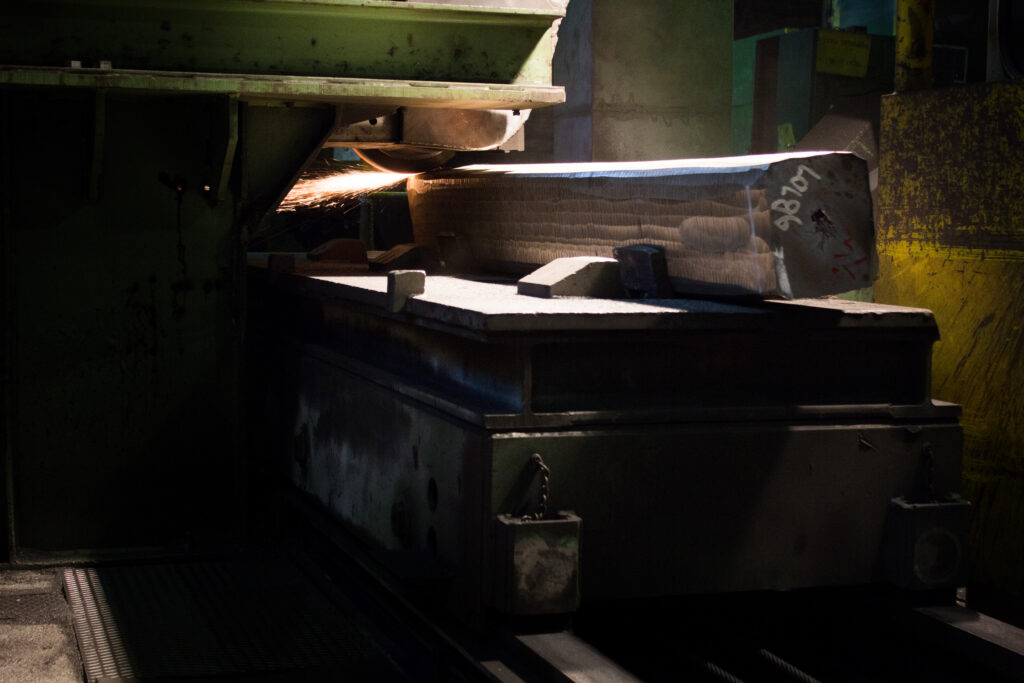
The sound of grinding imperfections from a billet. Grinding to remove surface defects from billets after thermal treatment, which leaves microscopic cracks…