Polishing machine
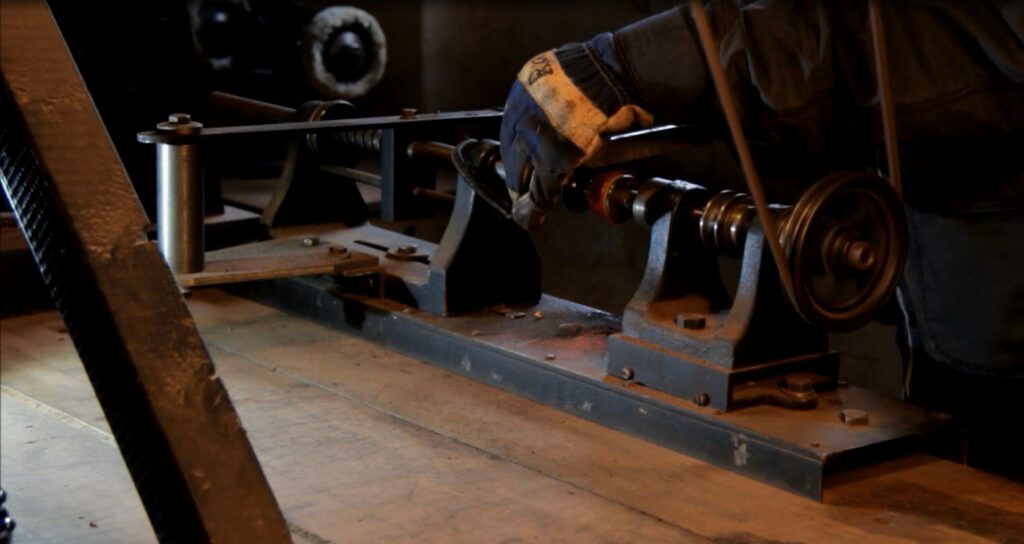
The polishing machine from the 1930s was used to polish products such as egg cups, coasters and ashtrays made out of bakelite.…

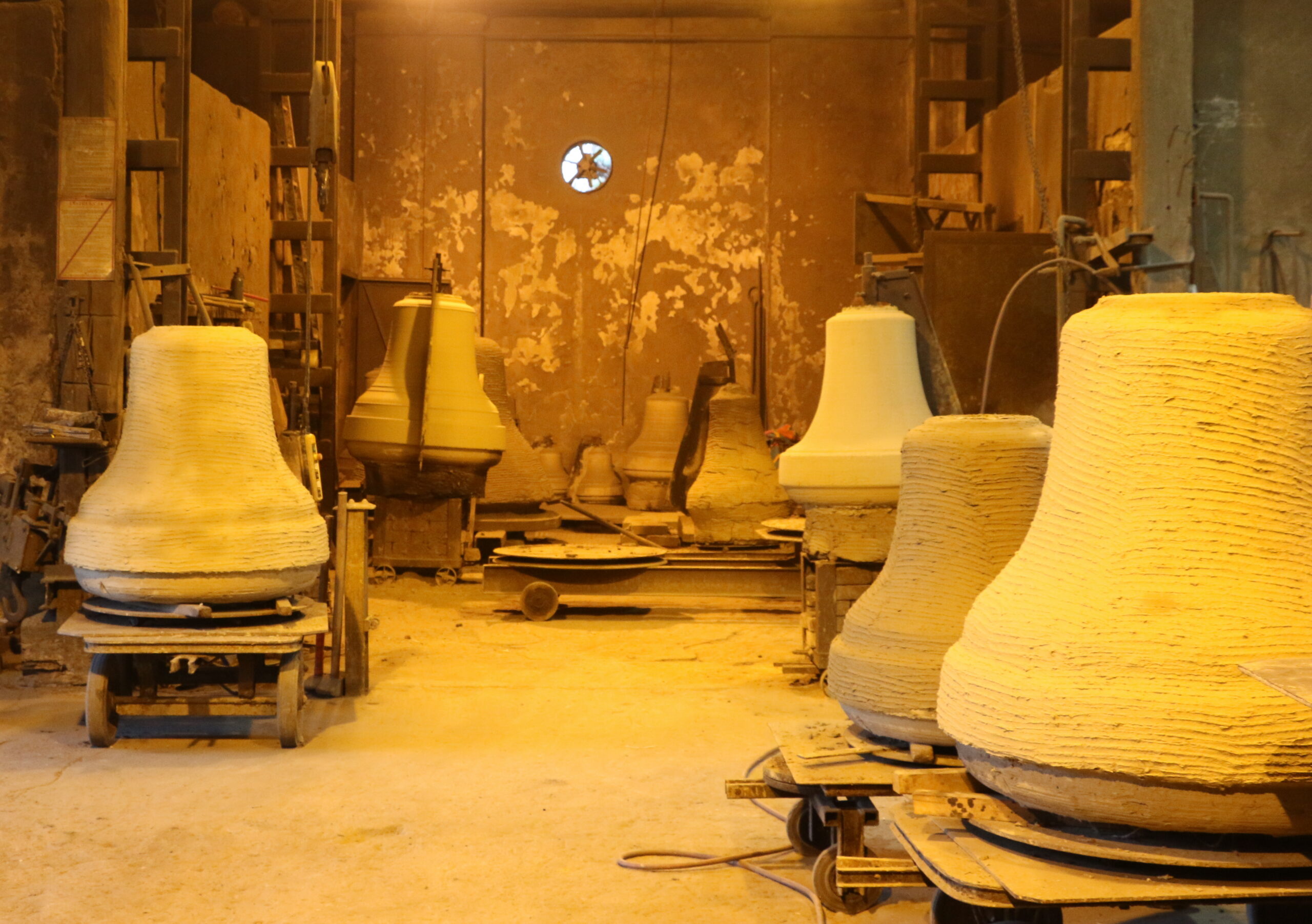
The soundscape registered in the Felczyńscy Bell Foundry in Taciszów (Poland), i.e. the facility producing bells.
Production of a classic bell is a long-lasting process as most works are performed manually. Preparation of a clay mold lasts several months, so its subsequent layers have enough time to dry. Ready molds are buried in a hole in the ground, and carefully filled in. There is a drain pipe built above, which directs liquid metal. The casting is prepared from gunmental, i.e. alloy with 22% of tin and 78% of copper. The metal is melted in a shaft furnace. It needs to reach the temperature of 1200 Celsius degrees. The flooded molds remain in the casting pinhole for 3 days, until they cool down. The casts dug out from the holes are polished, and the first bell's trial is performed in the meantime.
Bells in the Felczyńscy Bell Foundry are produced with foundry methods, practiced from Renaissance. Any modernizations are connected with application of electric tools that stir the clay and polish the bells. The first Bell Foundry in the Felczyńscy family was established in 1808. Since then, the intergenerational transfer of craftsman traditions has taken place.
Sound recordist: Monika Widzicka
Photographer: Piotr Leszczyński
The polishing machine from the 1930s was used to polish products such as egg cups, coasters and ashtrays made out of bakelite.…
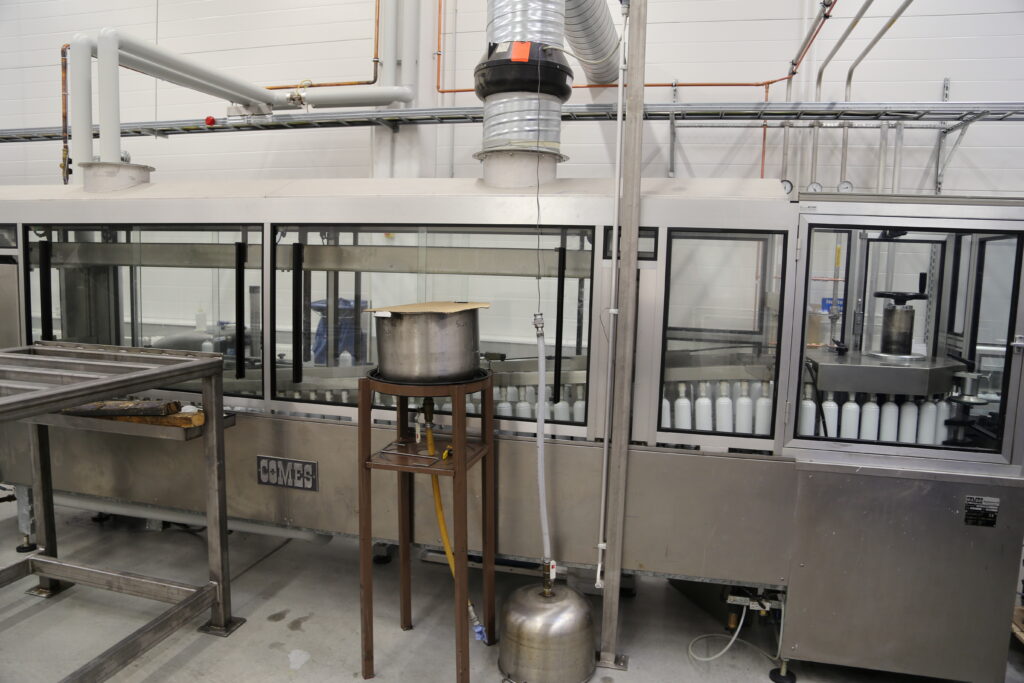
Made in 2001 by Pamasol Willi Mäder AG, Switzerland Macine type: 2025/4A After the waterbath the cans move to the cap fitting.…
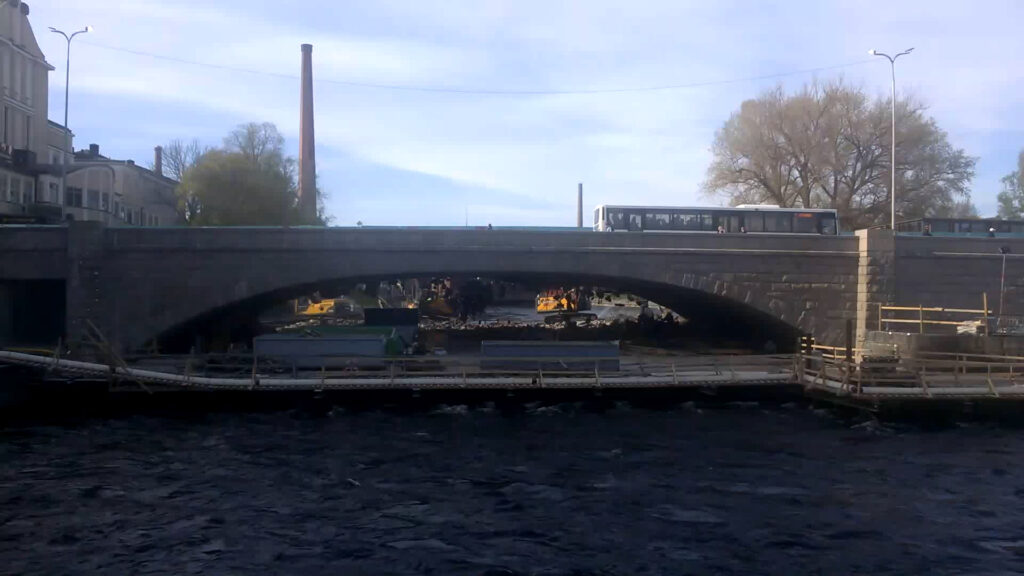
In Tampere the main road is called Hämeenkatu. It crosses the city from the railwaystation in east to Aleksanterin kirkko (Church of…
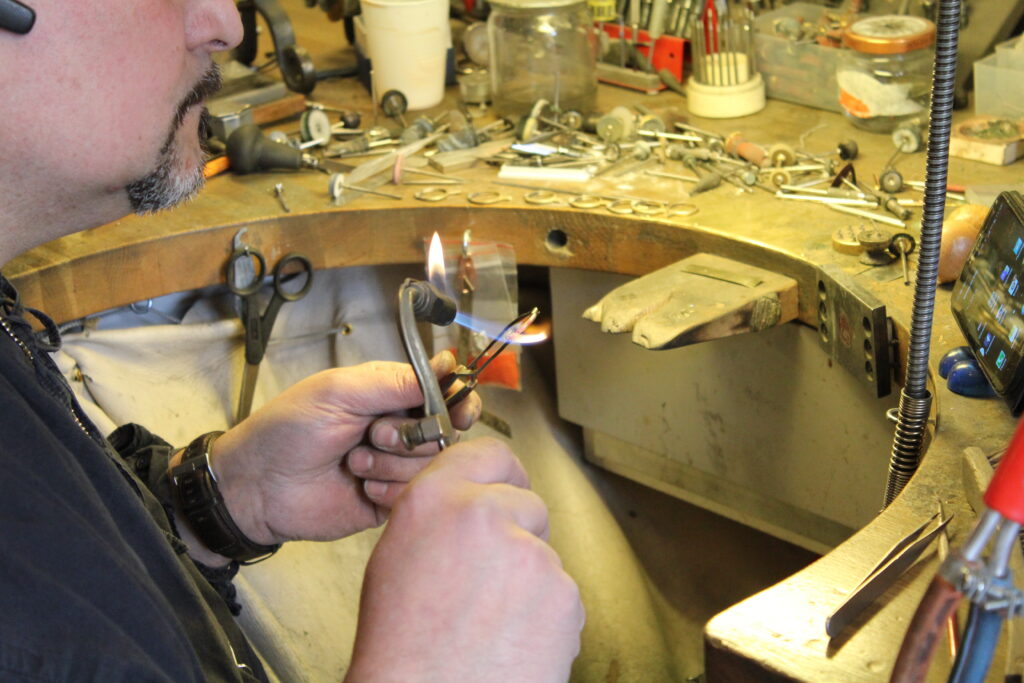
Goldsmith heats a golden diamond ring to be molded for a stone setting. A blowtorch is ideal for heating and also for…