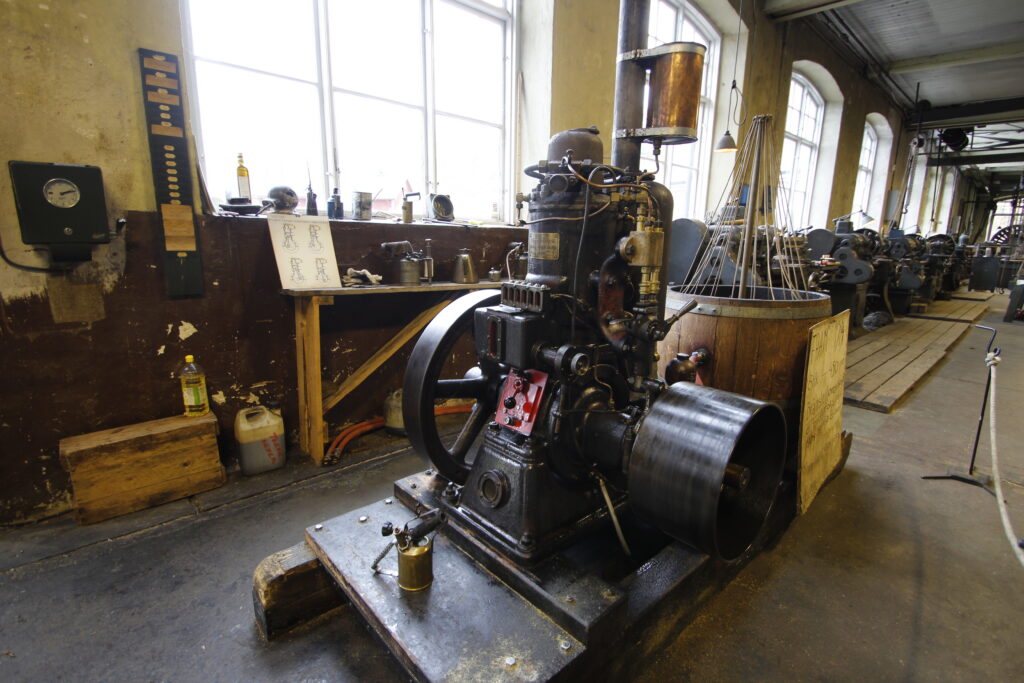
Hot bulb engine, mono recording
Work with sounds were lucky enough to record this beautiful, Swedish made, hot bulb engine on its one hundredth birthday! The event…

The corks are mixed before being put into the bottles.
The Fovel distillery, founded in 1864 by Joseph Fovel, is the only one still in operation in the Brussels region. This family distillery produces various jenevers and spirits: Brussels Manneken-Pis jenever (36% vol), Hasselt jenever (36% vol), Schaerbeek morello cherry jenever (18% vol), Grand-Place orange liqueur (40% vol), kirsch cherry (35% vol), triple sec liqueur (35% vol), fine Fovel (37% vol), among others. More than 100,000 bottles are produced at the distillery every year.
Jenever is a strong alcohol (about 20% by volume if flavoured with fruit, 40% if pure) made from grain alcohol (malted barley, wheat, rye, and sometimes oats) flavoured with the help of juniper berries. This spirit is a speciality of Belgium. Some people also consider it to be the forerunner of gin.
Production of ‘extracts’: 96% pure alcohol is blended with water and extracts, to create the taste (such as juniper berries for gin). Eighty litres of extracts produce 30,000 litres of spirits.
Thierry Fovel, the owner, is the fifth generation of this family business.
In 1914, the director buried the copper stills to prevent them from falling into the hands of the Germans. They were disinterred after the war and are still in use. In 1940, the firm hid the motors.
In 1975, twelve people worked at the distillery. There are three today, including just one on the production side. The layout of the distillery hasn’t changed since 1920. Before the distillery was set up, the buildings seem to have been used as a vinegar factory.
Customers are generally private individuals. There are about one hundred of them in Brussels and in Belgium as a whole.
The cherries used in the process come from the director’s properties. The morello cherries, being smaller, are more difficult to harvest.
Work with sounds were lucky enough to record this beautiful, Swedish made, hot bulb engine on its one hundredth birthday! The event…
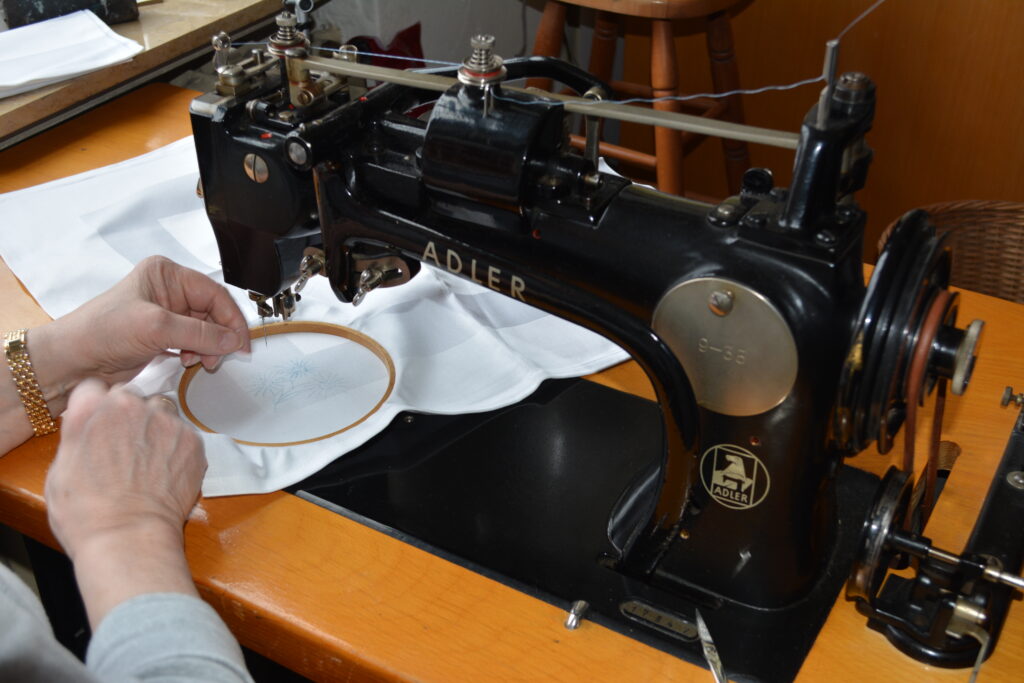
The Adler embroidery machine, model 9-35 (built around 1900), was operated by women in the Vereinigten Wäschefabriken (United Linen Works) Juhl &…
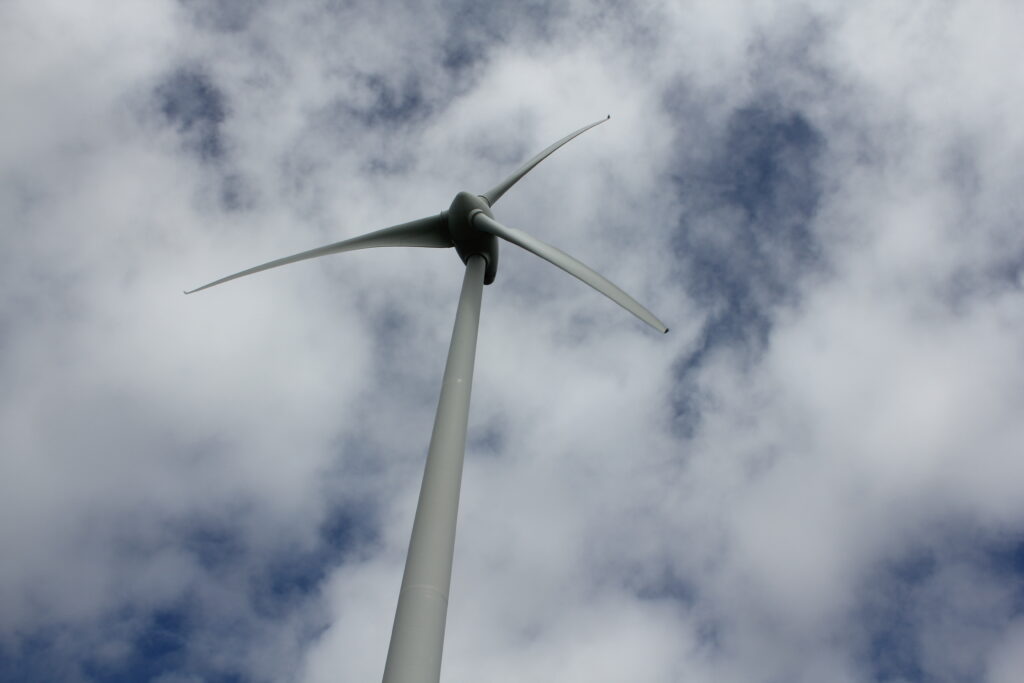
Virtsu2 wind farm is located in Lääne county in Estonia. It was completed in 2008. There are three Enercon E-70 type wind…
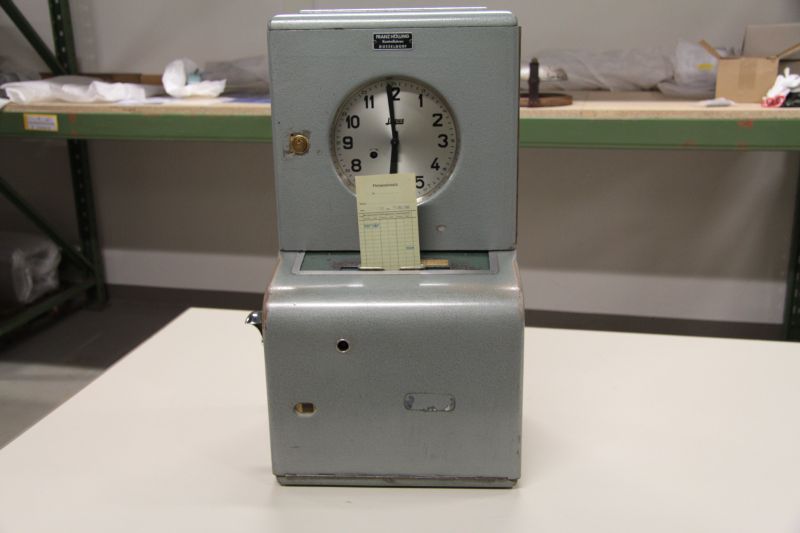
The time clock of the brand “Isgus” was used to record working hours on punch cards. Up until the 1950s, the company…