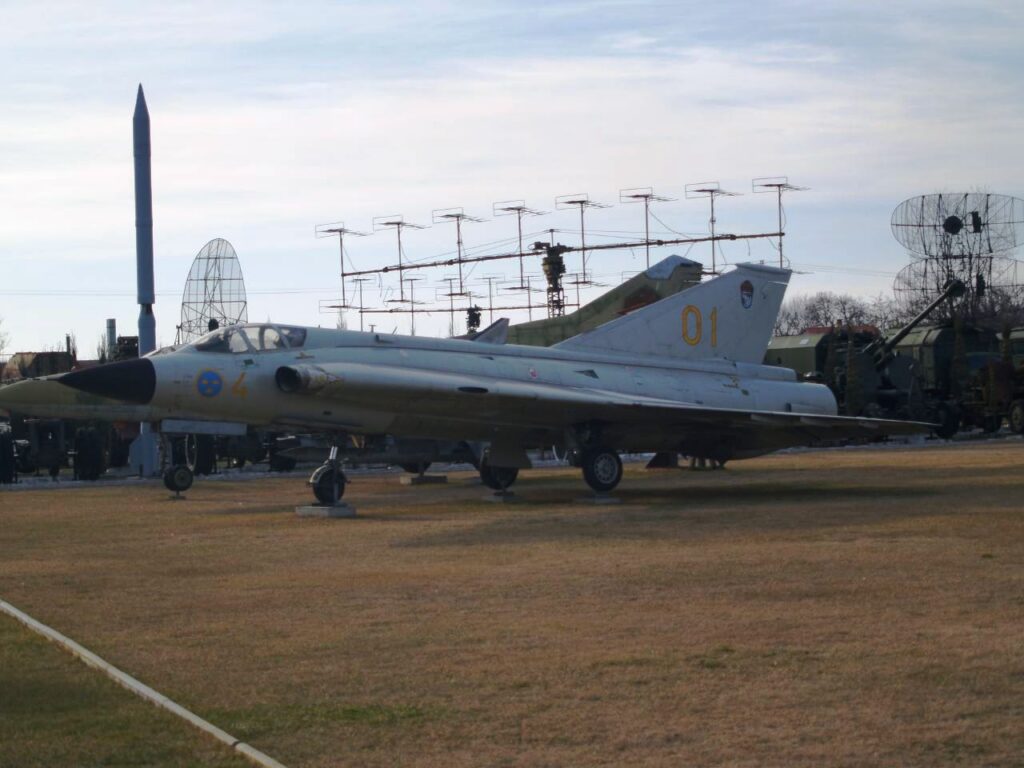
Saab J 35D Draken – start engine and taxiing
Taxiing, also sometimes written "taxying", is the movement of an aircraft on the ground, under its own power, in contrast to towing…

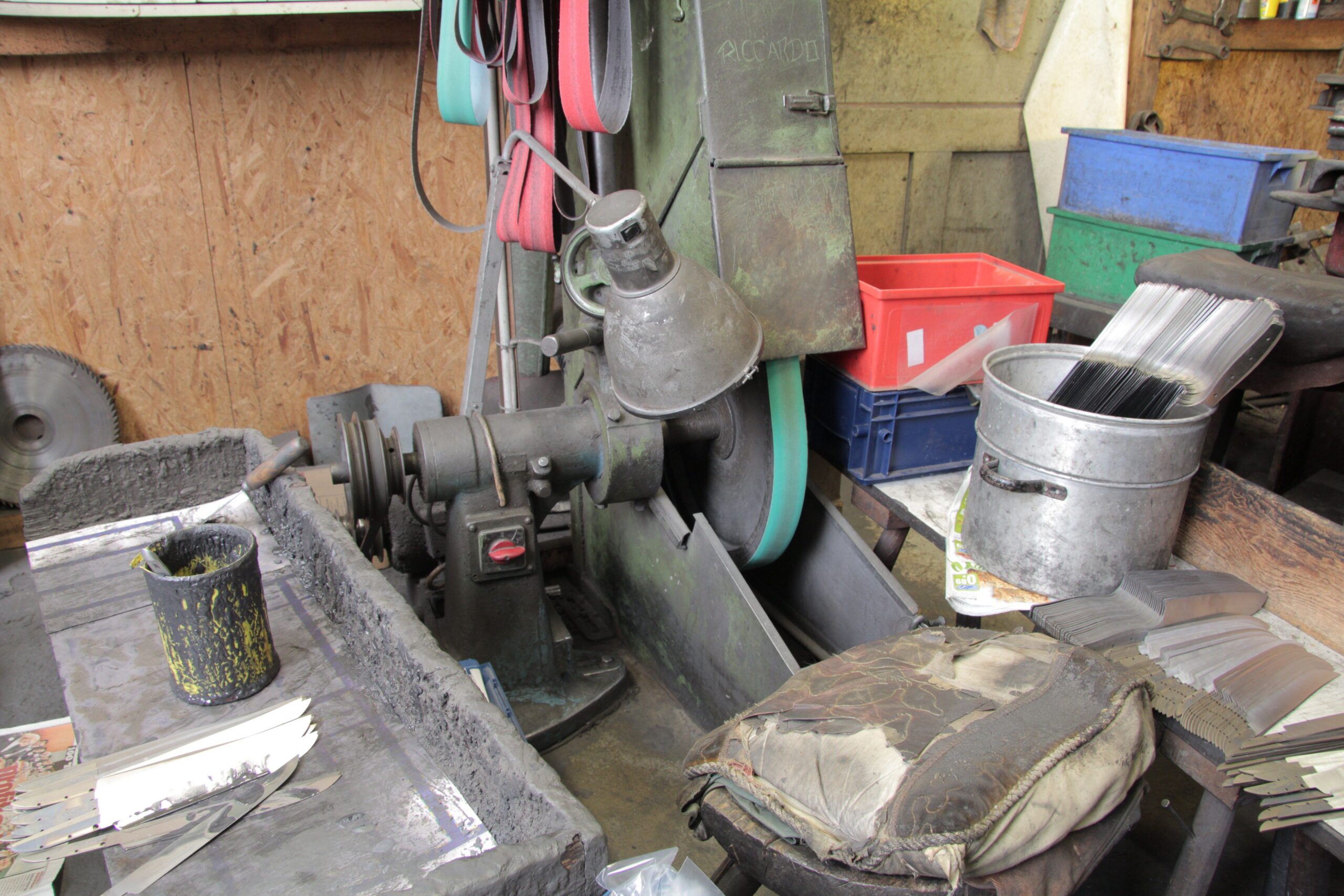
The knife-spine grinding machine is used to shape the back of the blade.
To do so, the knife maker guides the back of the blade along a rotating grinding wheel and shapes it into the desired form. Likewise, the bolster (the transition between blade and handle) is carved out with this machine.
The sounds made when working at this machine are created by the electric motor and the grinding of the spine of the knife on the grinding wheel.
The knife-spine grinding machine is in use at the knife factory Windmühlenmesser Robert Herder in Solingen (Germany, North Rhine-Westphalia), which was founded in 1872. Today the enterprise is in its 4th generation, headed by Giselheid Herder-Scholz. It has maintained techniques and methods of manual knife-making which have vanished more and more with the growth of mechanical fabrication.
In Solingen the production of blades has a long tradition. As early as the 14th century blades were made in large numbers in Solingen. Until the end of the 19th century the entire economy of Solingen was dominated by the cutlery industry.
Sound recordist: Konrad Gutkowski/Julian Blaschke
Photographer: Konrad Gutkowski/Julian Blaschke
Video recordist: Konrad Gutkowski/Julian Blaschke
Taxiing, also sometimes written "taxying", is the movement of an aircraft on the ground, under its own power, in contrast to towing…
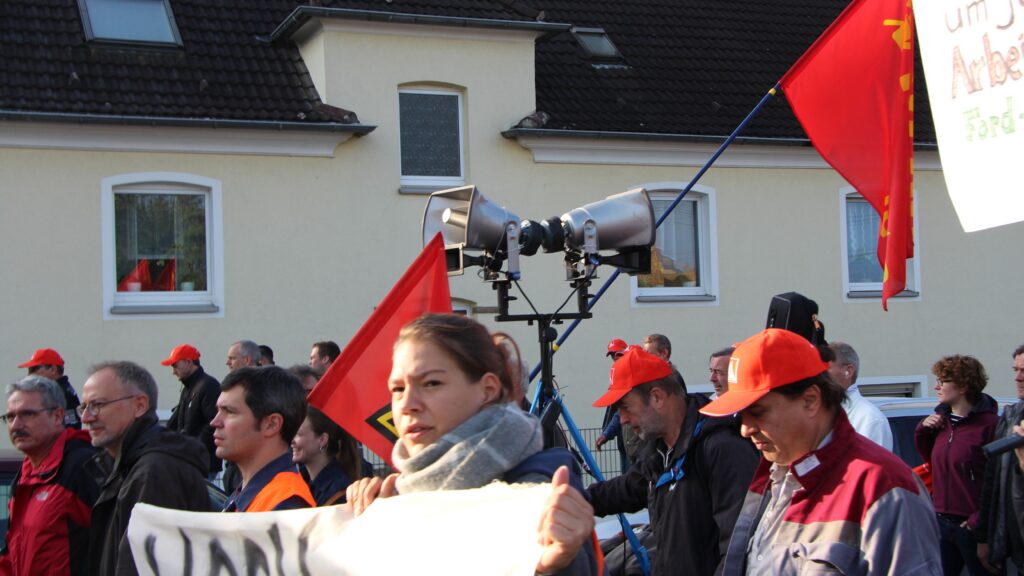
In September 2017 the Thyssenkrupp AG announced their plans for a fusion with the Indian steel cooperation Tata. The employees, the works…
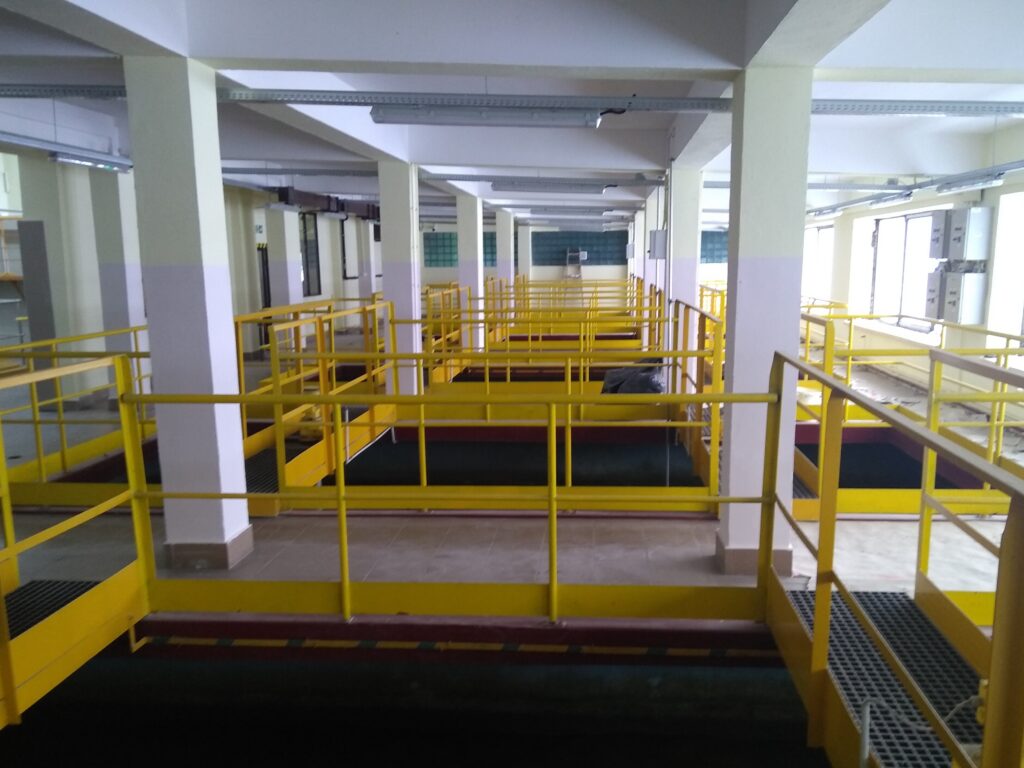
The sounds of slow mixers in the coagulation building. The slow mixers consist of eight chambers fitted with two slow agitators with…
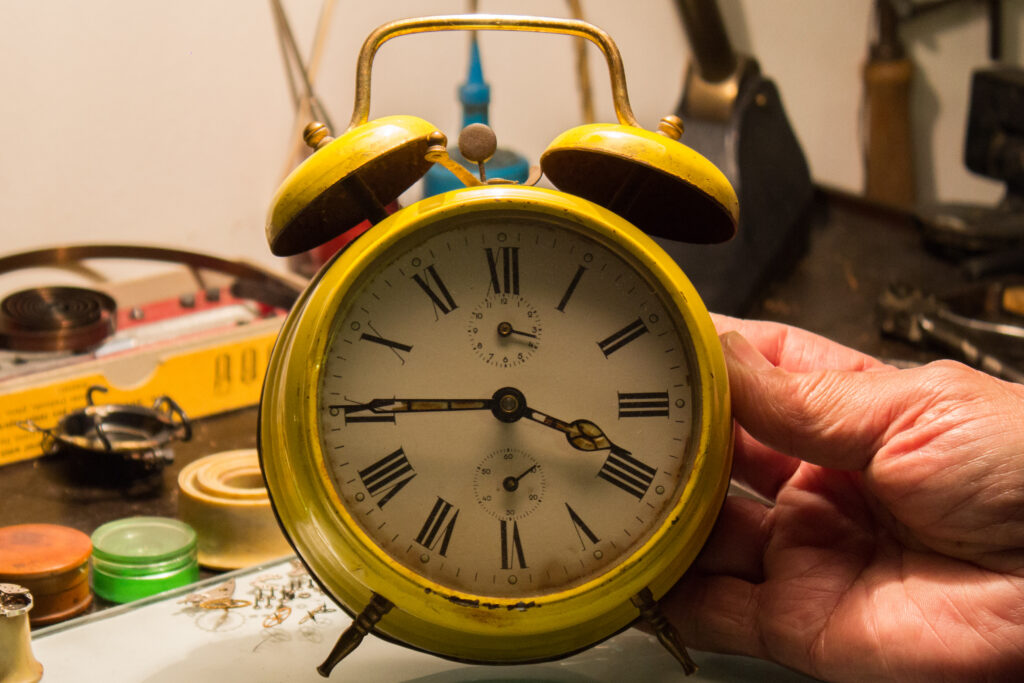
A twin-bell, Roman dial alarm clock in a yellow casing of an unknown manufacturer. It most likely originates from the first half…