Moving chairs in the cellar
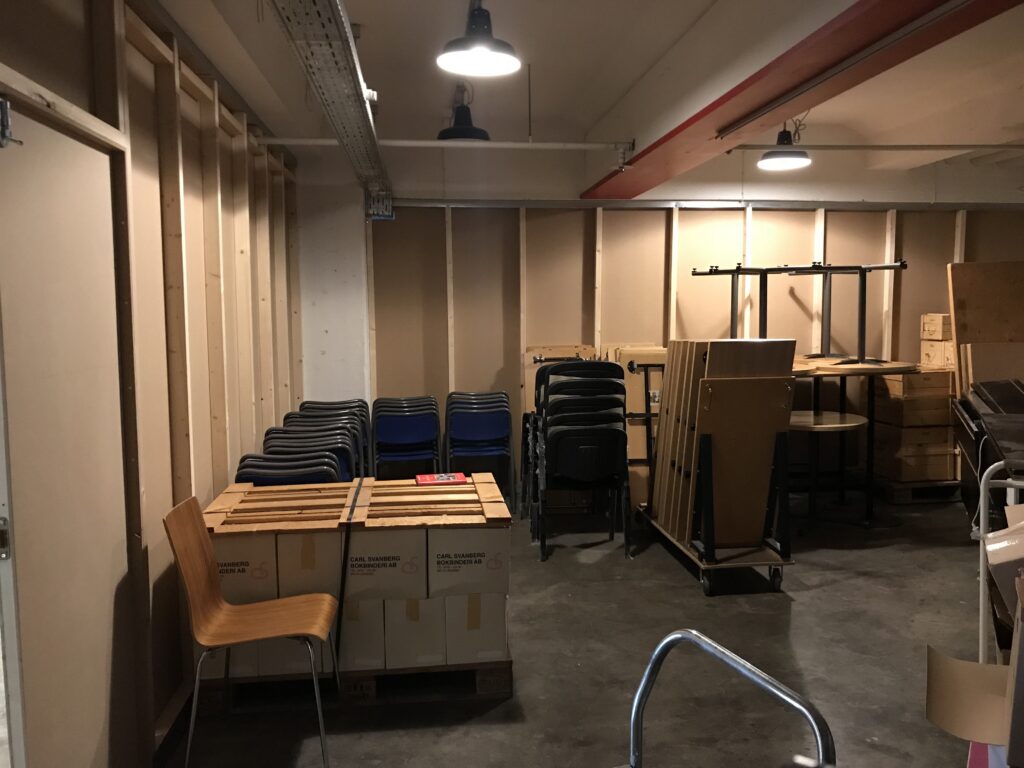
As a part of the museum new purchase of chairs for conference uses it choose to give away the old ones to…


Finnish Lapland is one of the few places in Europe, where there is enough gold to be found using just shovel and pan to make it worthwhile.
Gold was found in the banks of the river Ivalonjoki in the 1860’s which started a gold rush to the Northern Finland during 1869-1900. Another gold field was found in the 1930’s in the river area near Tankavaara. Largest nugget ever found from these areas weighted nearly 400 grams.
There is still gold in the river banks, and there are still some professional gold diggers trying to find the “mother rock”. Gold digging is hard work, because gold is very scarse in the gravel.
One on the most common methods of extracting gold from gravel is the use of sluice box and running water. The pay dirt is shovelled into a wooden flume of running water. Gold is trapped in the riffles attached to the bottom of the sluice while all lightweight material is carried away by the running water.
This recording has been made in cooperation with the Goldmuseum Tankavaara.
Video: Hanna Mattila
Photo: Hanna Mattila
Sound: Hanna Mattila
As a part of the museum new purchase of chairs for conference uses it choose to give away the old ones to…
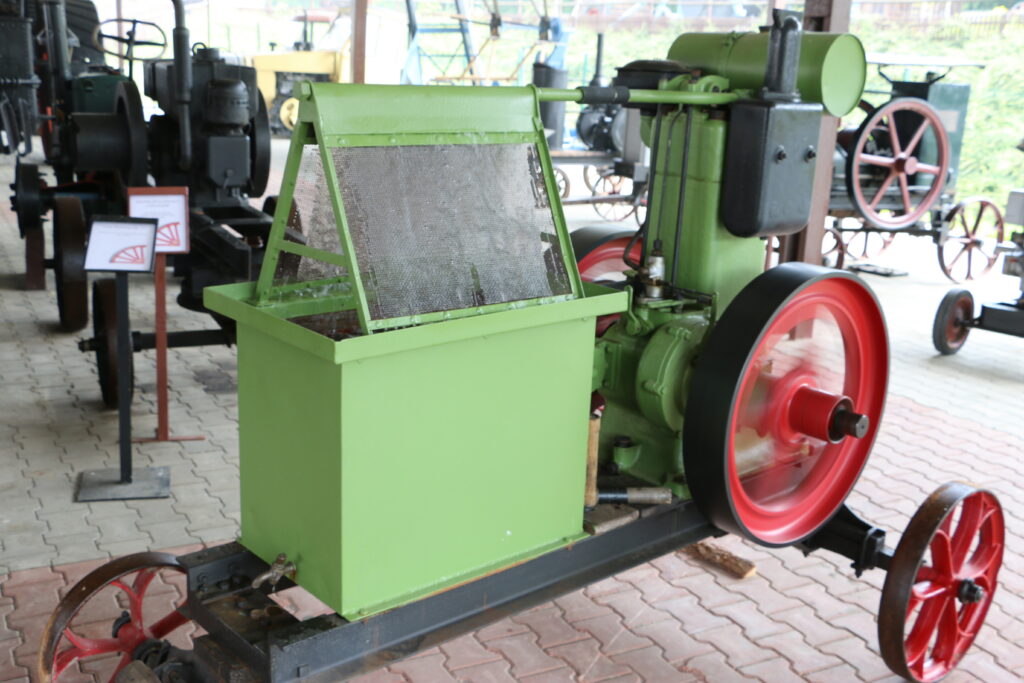
The sound of Slavia combustion engine in operation. The recording was realized in the National Museum of Agriculture and Agricultural-Food Industry in…
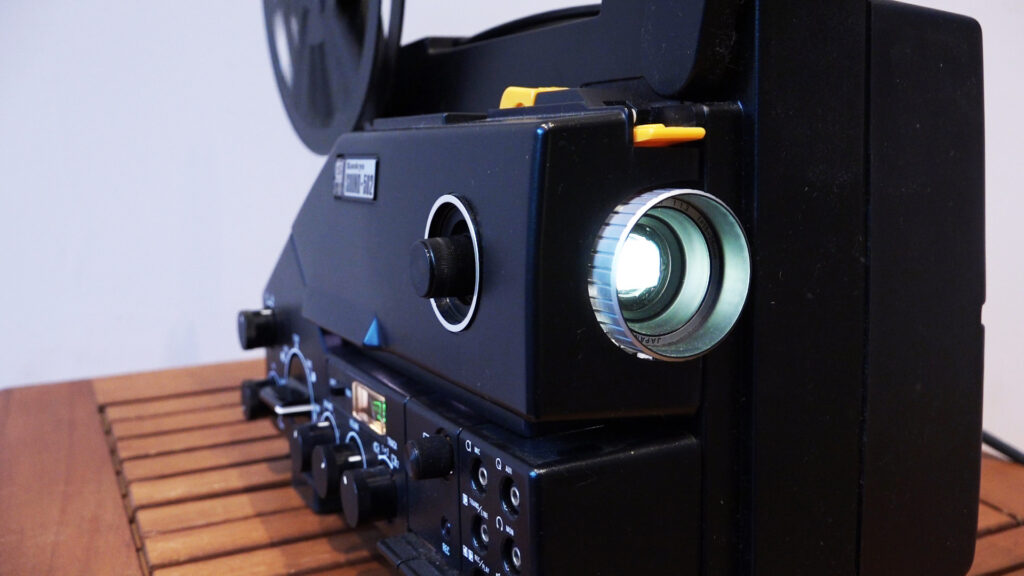
The Sankyo Sound 502 movie projector was bought in January 1979 in Brussels (10.900 Belgian francs). It was used to project Super…
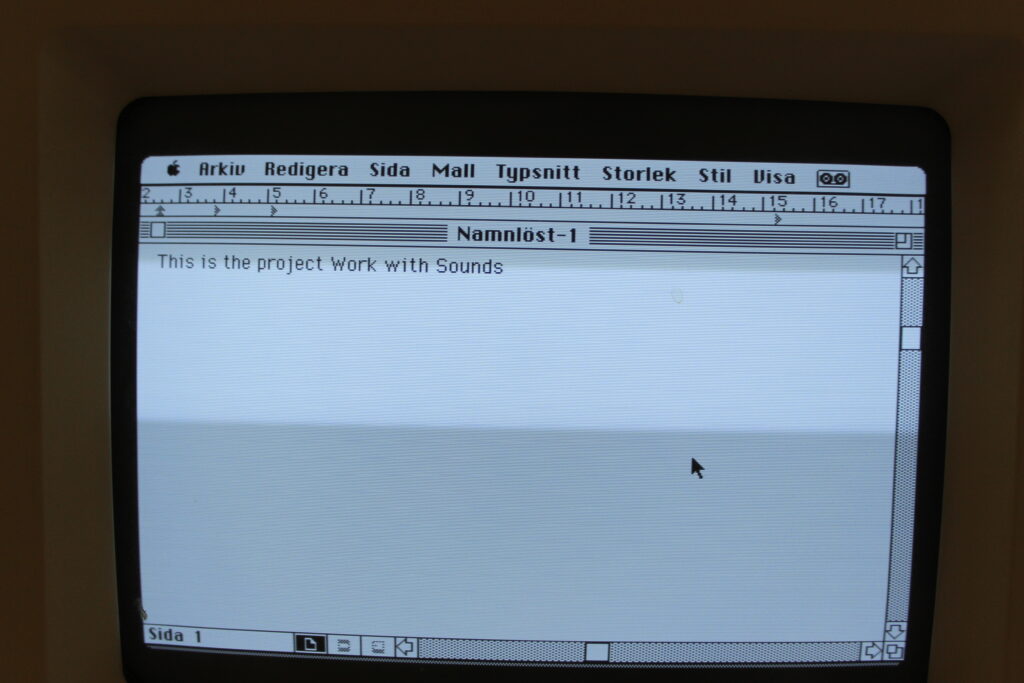
Typing: "This is the project Work with Sounds" Sound recordist: Torsten Nilsson Photographer: Torsten Nilsson