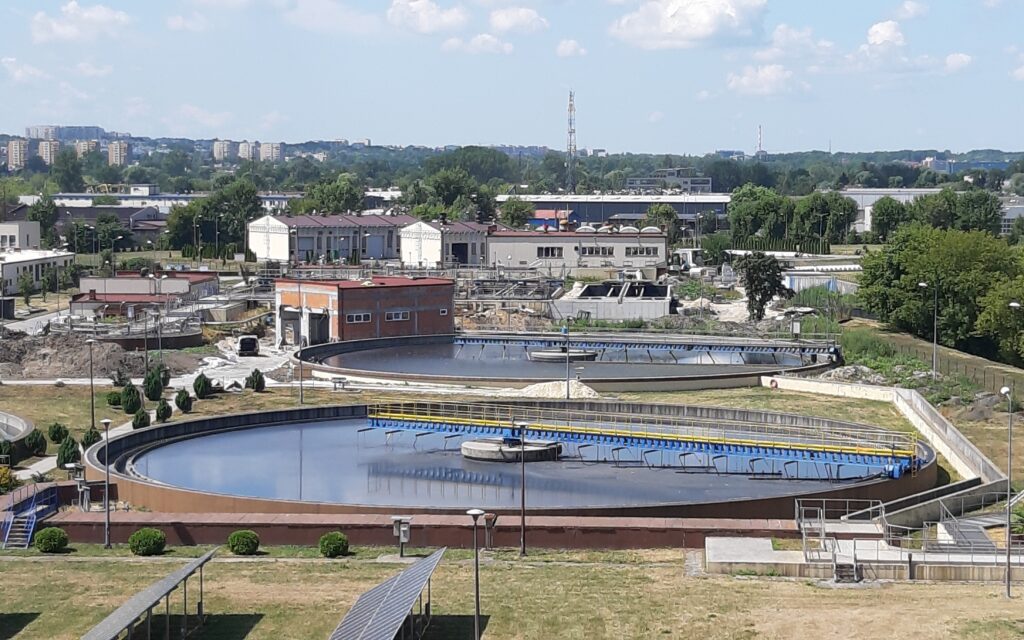
The sewage treatment plant (9): primary settling tanks
Sounds recorded above the primary settling tank. It is one of four round tanks in which the last stage of mechanical treatment…

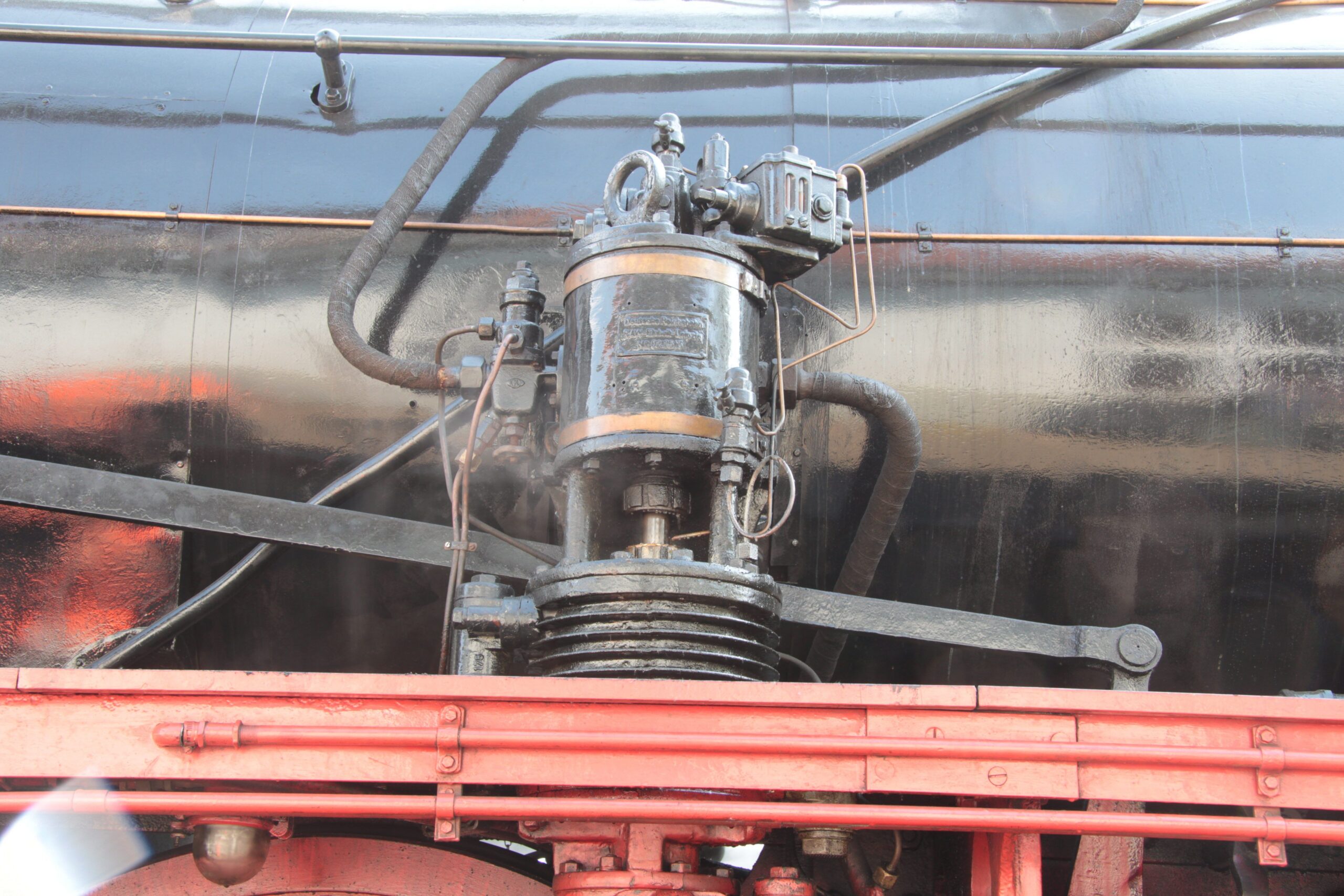
The Prussian passenger steam locomotive P-8 (production series 38 2267) with tender was built by the Berliner Maschinenbau AG in 1918.
Up until the Second World War it had been on duty for the Reichsbahn Directorate of Erfurt in Thuringia. After the Second World War the locomotive carried passengers and freight in Saxony until the 1970s. Today it is in the possession of the railway museum in Bochum and is used for special rides through the Ruhr District.
The brakes of the P-8 consist of shoe brakes on the coupling wheels, which function with air pressure. The control of the braking process is also achieved with air pressure. The braking effect takes place when the brake shoes are pressed against the rolling surfaces of the wheels. In order to produce air pressure the locomotive has a steam powered air pump, which is provided with steam from the boiler. If the air pressure needs to be enhanced, the driver opens a valve to draw steam. Then the steam streams into the air pump and puts a piston in motion. The piston sucks air from outside and subsequently presses it into a storing tank. In this process the characteristic rhythmical hissing of the steam locomotive is created.
Sound recordist: Konrad Gutkowski/Julian Blaschke
Photographer: Konrad Gutkowski/Julian Blaschke
Video recordist: Konrad Gutkowski/Julian Blaschke
Sounds recorded above the primary settling tank. It is one of four round tanks in which the last stage of mechanical treatment…
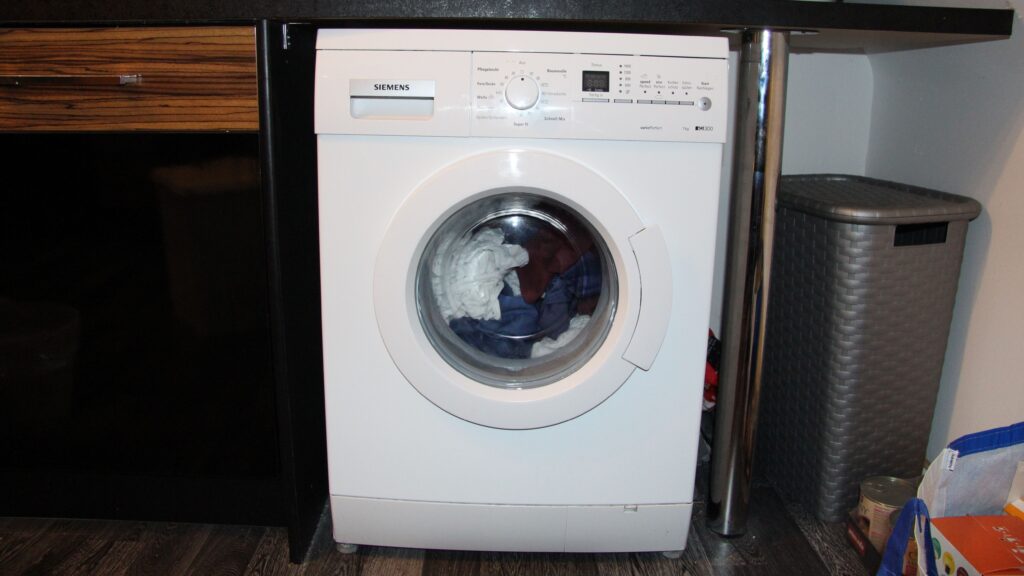
Every day we are surrounded by electronic helpers. They communicate with us via a range of different sounds. Washing machines are no…
Hjem-IS (Denmark, Norway), Hemglass (Sweden) or Kotijäätelö (Finland), all meaning "Home Ice Cream", is a Northern European brand of ice cream. It…
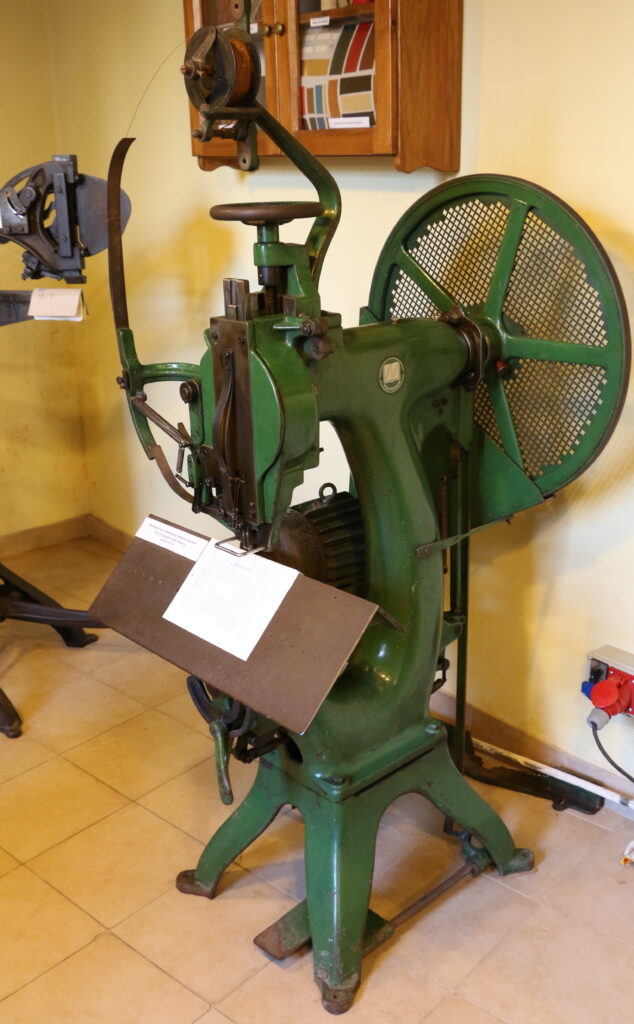
The sound of sewing a paper block in the machine for sewing blocks with wire. It was manufactured by the Polygraph company…