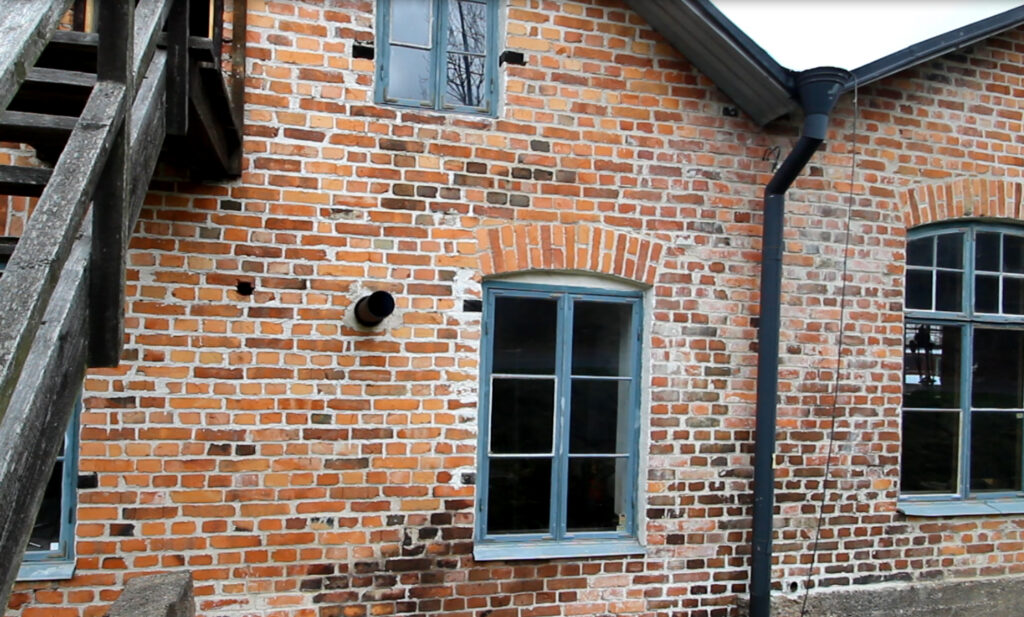
Hot bulb engine, exhaust pipe
Sound from exhaust pipe recorded outside factory. This large diesel-driven hot bulb engine was built and installed at the Pythagoras-Drott mechanical works…

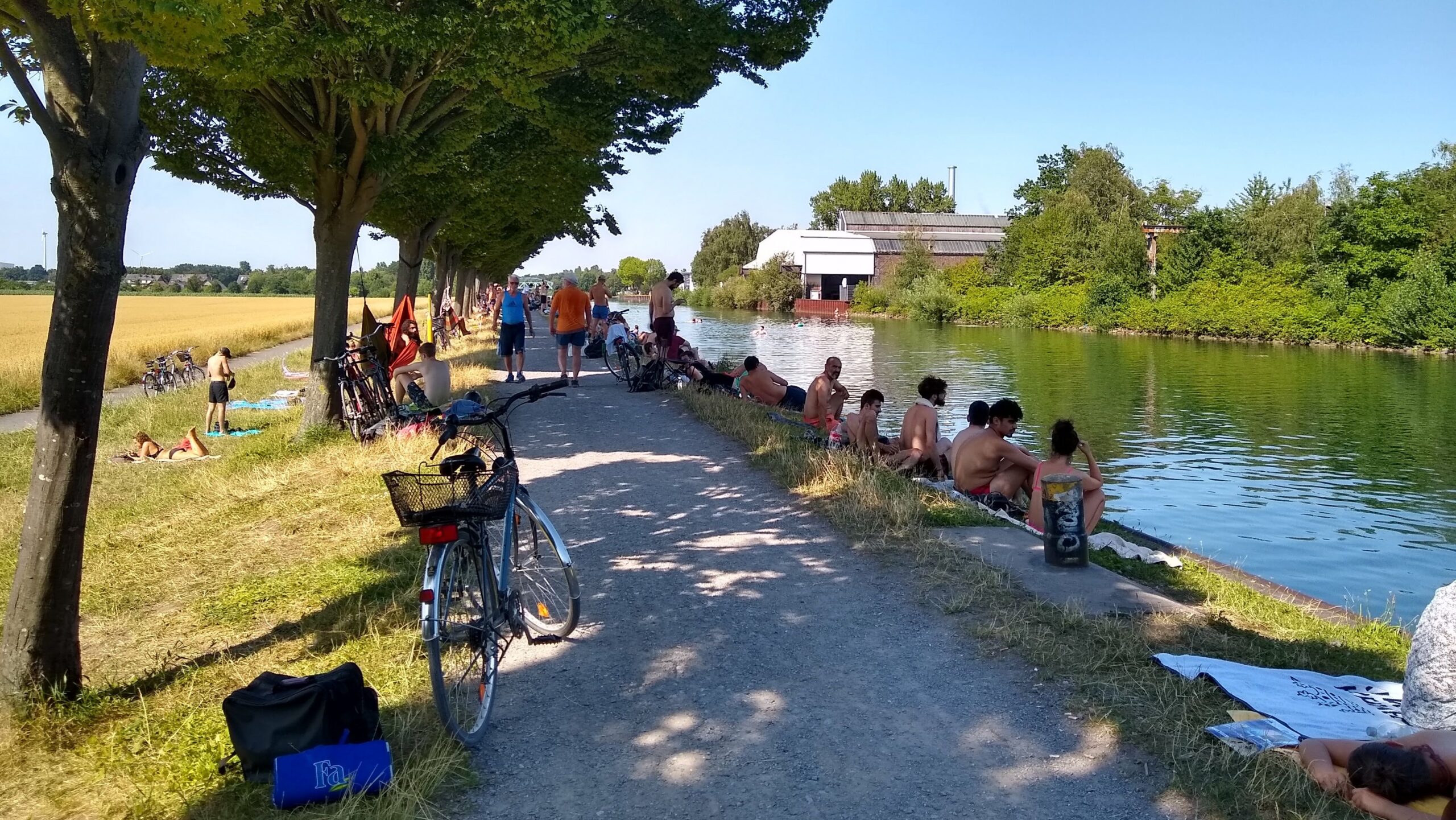
The Dortmund-Ems-Kanal, which was opened by Kaiser Wilhelm II in 1899, used to be one of Germany’s most important canals. It connected the port of Dortmund with the seaport of Emden. Goods from and to the industries in the Ruhr area such as steel and coal were transported on this route.
However, in the past as much as today the grassy banks of the canal were used for leisure and recreation activities like swimming, sunbathing and having a picnic by the local workers. Because of that the canal received the name of “Kumpel-Riviera”. Kumpel in that case is a nickname for the coal miners of the Ruhr area.
Although there are only few ships left on the canal for the transportation of goods today its importance as a place of recreation has not dwindled. This recording was made on a hot summer afternoon close to the city port of Dortmund. Many people have gathered around the banks of the canal to spend a relaxed afternoon by the water. You can hear them chat and laugh. People walk and cycle by on the gravel path. And in the distance lorries and cars can be heard as they are crossing one of the many steel bridges. All of that is accompanied by the clitter of crickets and the rushing of the wind.
Sound and Photo: Kathinka Engels
Sound from exhaust pipe recorded outside factory. This large diesel-driven hot bulb engine was built and installed at the Pythagoras-Drott mechanical works…
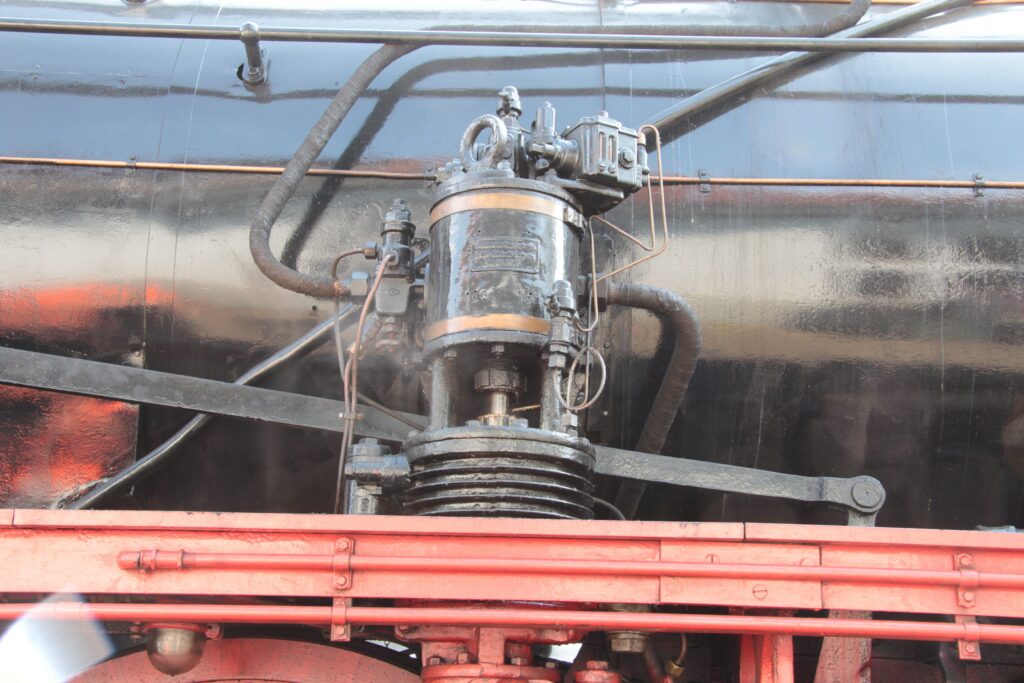
The Prussian passenger steam locomotive P-8 (production series 38 2267) with tender was built by the Berliner Maschinenbau AG in 1918. Up…
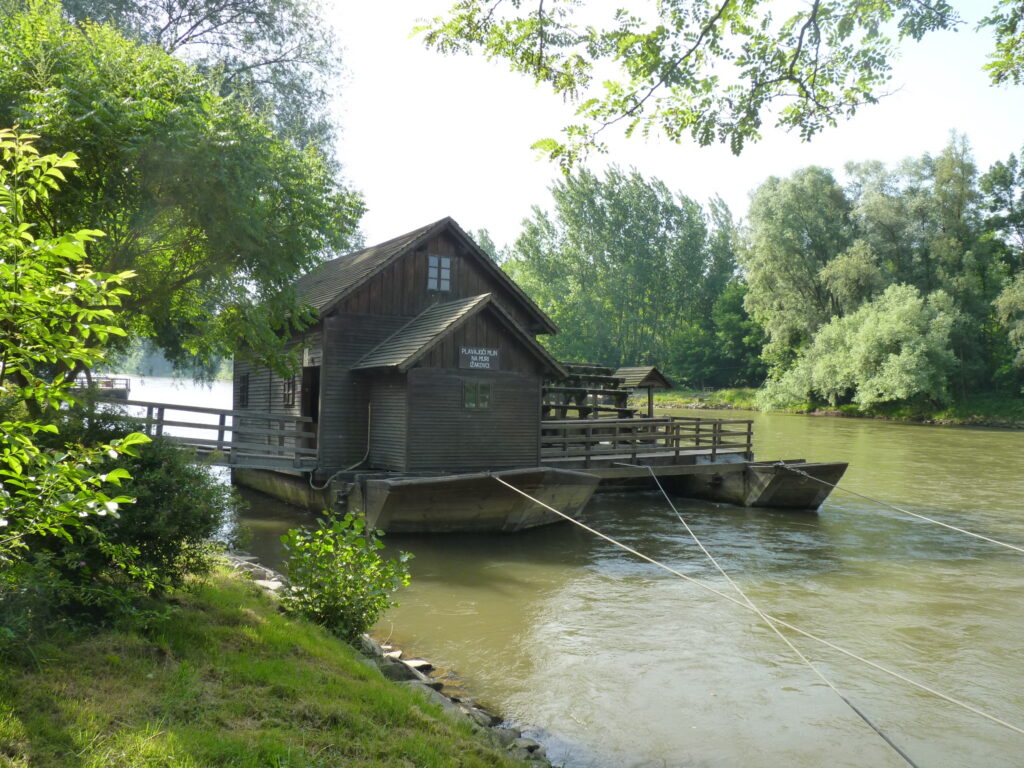
Sound of the floating mill in operation (grinding stones). The mill is mounted on two interconnected floating platforms (boats) and can be…
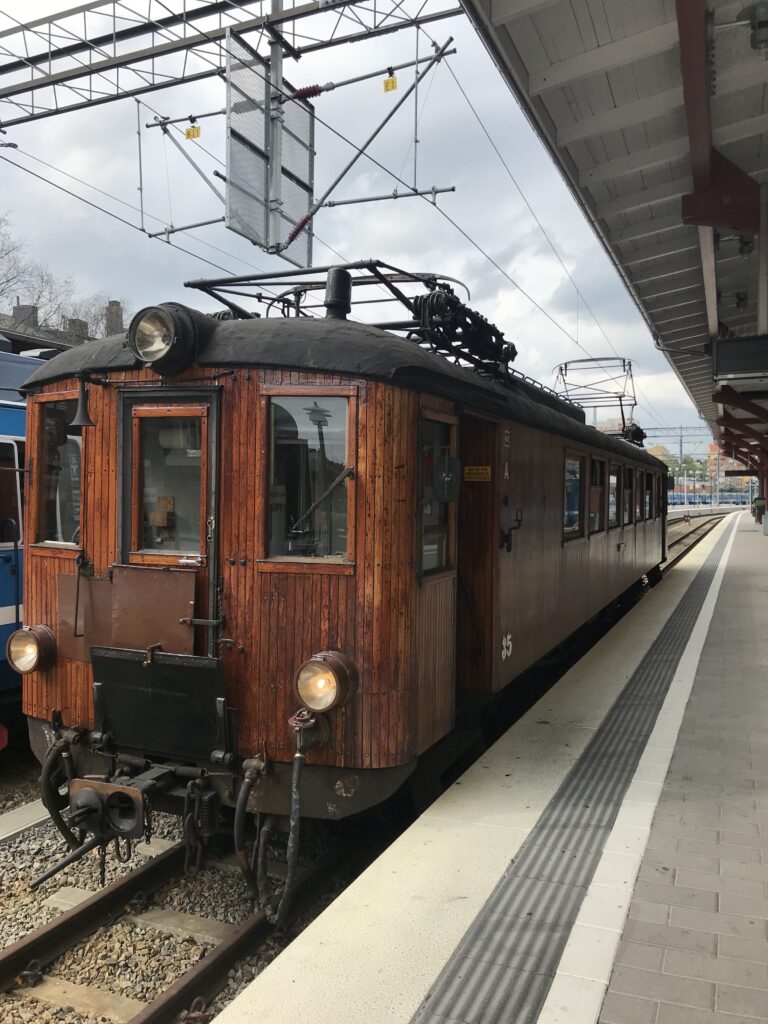
This is a train built in 1934 and used up until the 1990s - and in this version of the soundscape there…