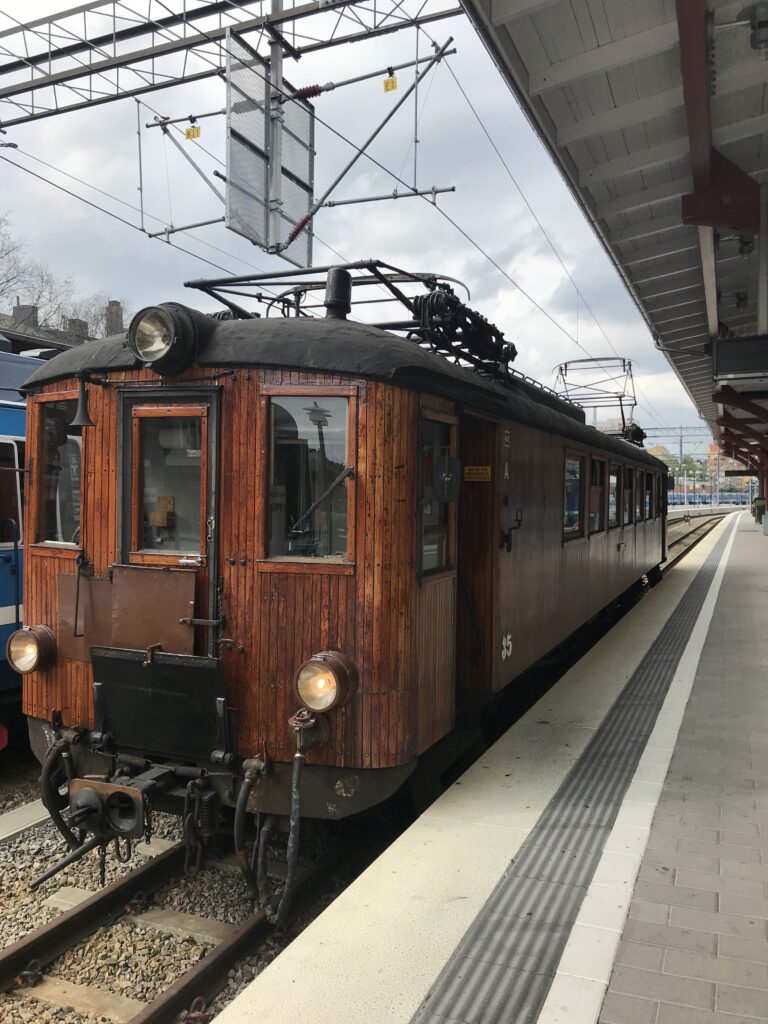
Roslagsbanan, train from 1934 with a guide (2)
This is a train built in 1934 and used up until the 1990s - and in this version of the soundscape there…

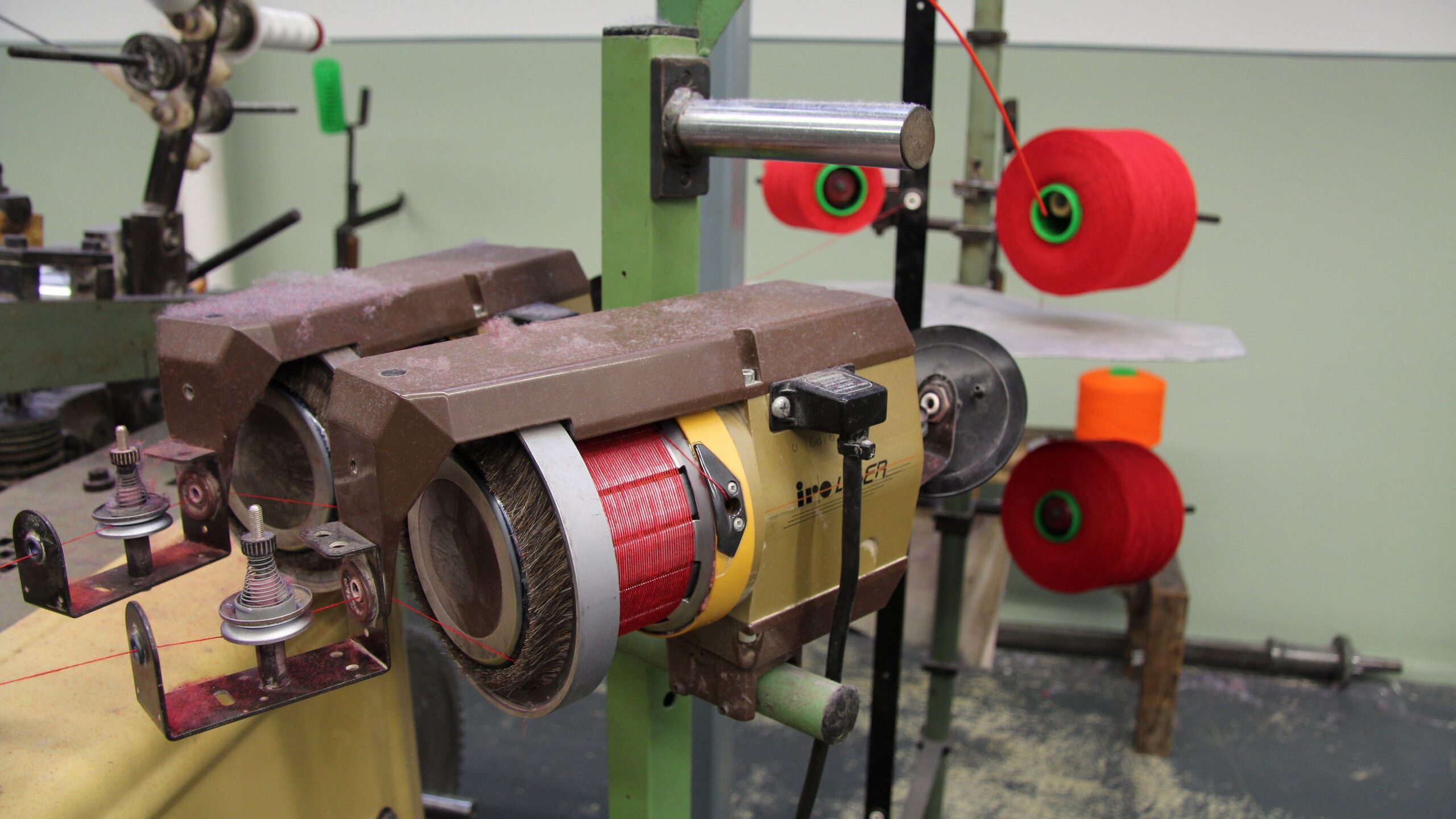
The Rapier Rod Weaving Machine Saurer 400 uses a rapier rod that inserts the weft thread from one side only. This allows for a much faster weaving speed. This particular weaving machine was built in 1982 by Bourgoin-Jallieu/France, Saurer Diederichs S.A. It was used to mass produce raw fabrics for technical purposes and outer garments between 1982 and 2008.
Today it is a working exhibit at the LWL-Industriemuseum TextilWerk Bocholt. It is used to make miner’s cloths and towels for creative projects and the shop. In 2013 the museum combined the weaving machine with three digital Jacquard machines by the Swiss company Stäubli. The Jacquard machines enable the museum to weave patterns and lettering with up to three colours into the cloth.
The digital and electric Jacquard machines are the successors of the mechanical ones. Just as their modern counterparts and basically every computer, the historical Jacquard machines used binary code to translate and implement the pattern within the weaving process.
Unlike their mechanical predecessors, however, electric Jacquard machines are hardly audible. The sounds from the weaving machine dominates the recordings at all times.
The automatic yarn supply, which can be heard in this recording, is a small external machine on the right hand side of the weaving machine. It unrolls the yarn and issues it to the rapier rod. The rapier rod then carries it as weft thread through the warp threads. Since this happens at such high speed the automatic yarn supply issues the thread with an exact tension to prevent the yarn from tearing.
Sound Recordist: Kathinka Engels
Photographer / Videographer: Kathinka Engels
This is a train built in 1934 and used up until the 1990s - and in this version of the soundscape there…
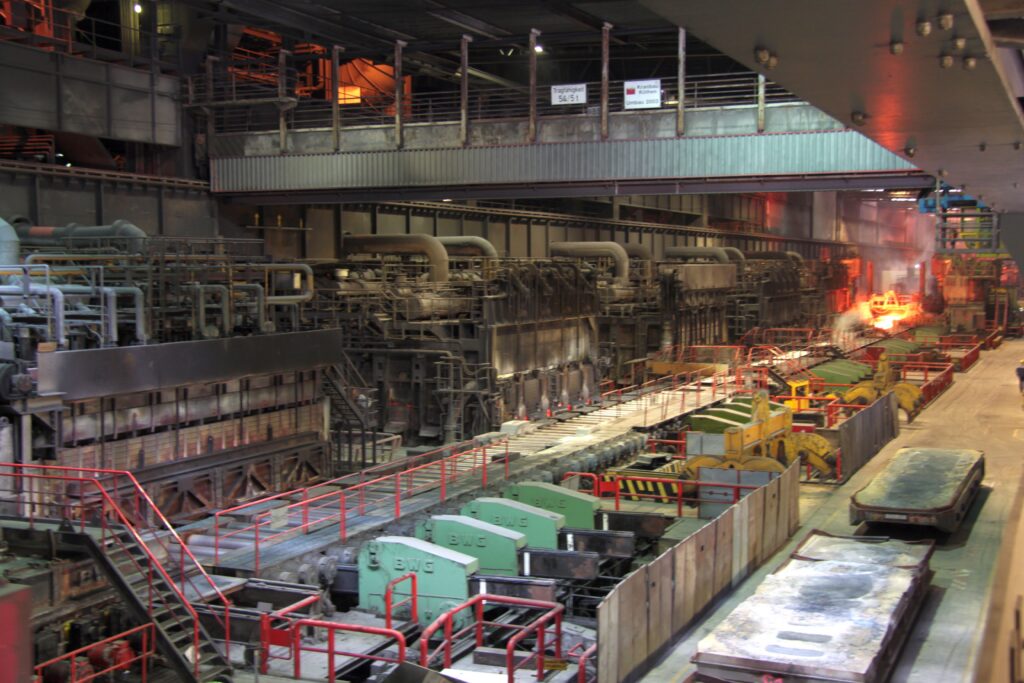
The pusher furnace is in use at the hot rolling mill in the Stahlwerk (steelworks) of Thyssen-Krupp in Duisburg. In the hot…
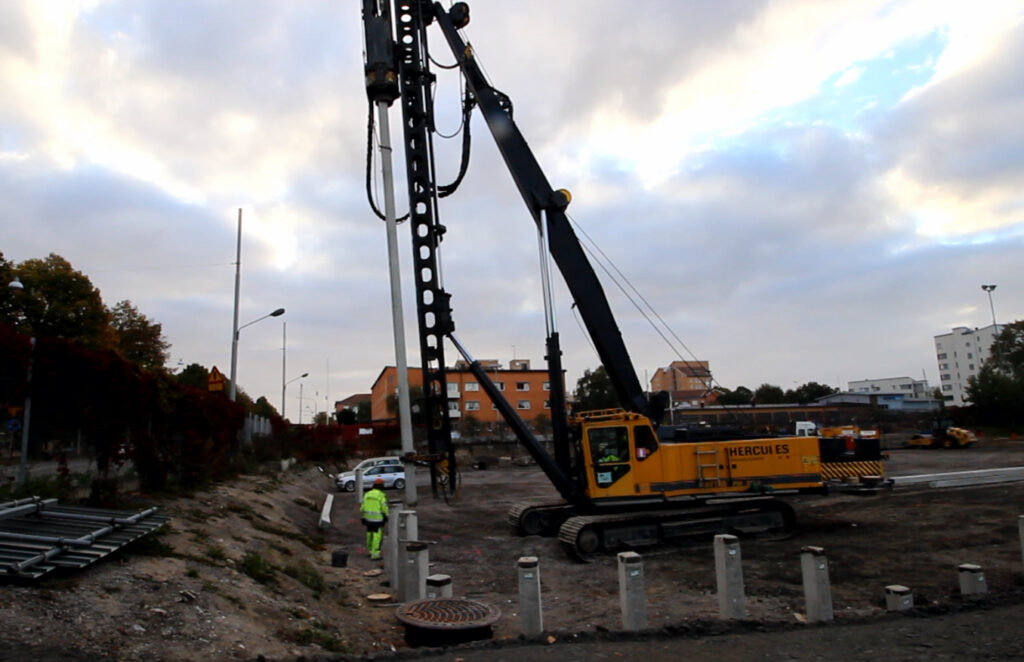
Piling the first concrete pile. The ground is very soft and the concrete pile is sinking fast. This recording was made at…
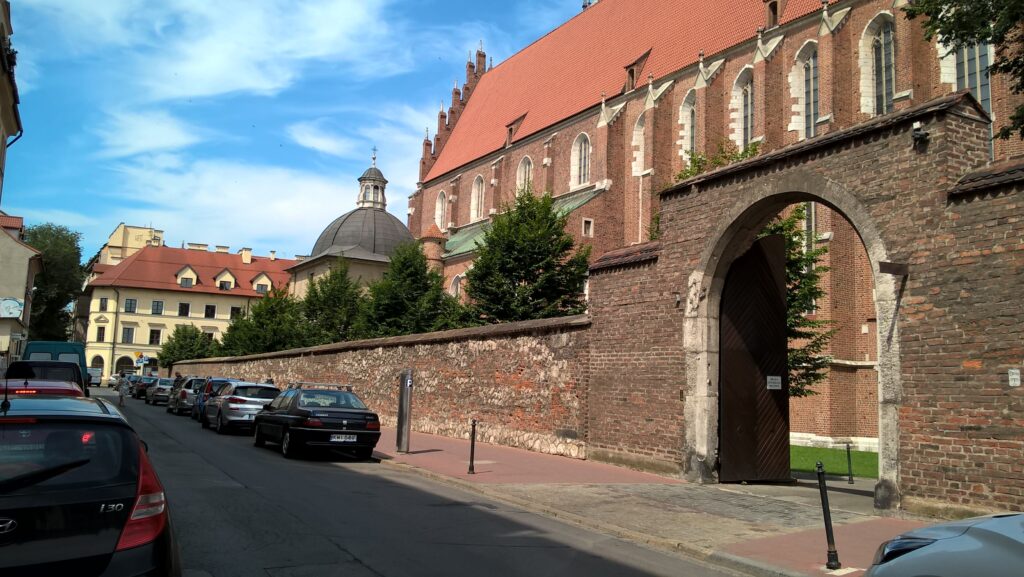
A recording of the soundscape at ulica św. Wawrzyńca in Krakow near the Corpus Christi church. The sounds were recorded in the…