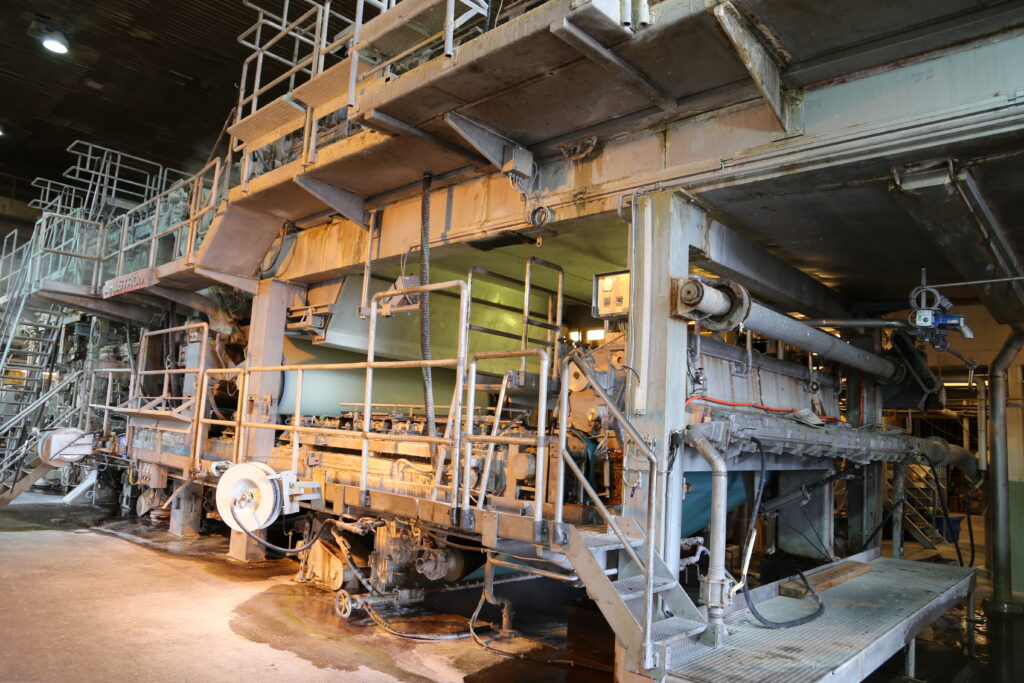
Cardboard machine (Wet end)
There are as many web forming units in the wet end as there are fibre layers in the finished product. Pulp slurry…

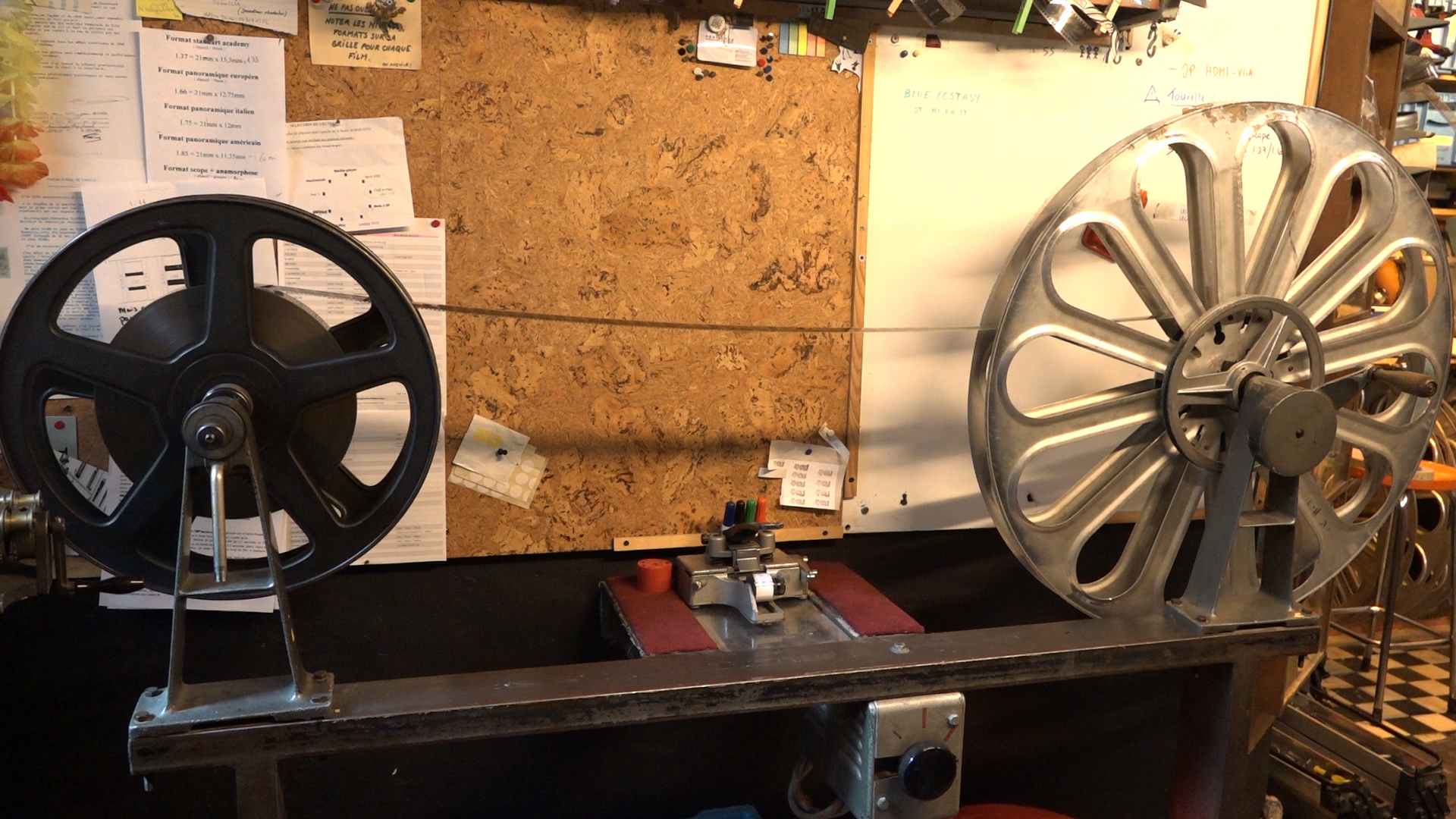
Thirty-five mm films are delivered on several reels of about twenty minutes duration. These have to be transferred onto larger reels, and the films are spliced so that the film can be seen in its entirety (it is also possible to use two projectionists at the same time). The reel is operated manually to begin with.
Nova is a cinema that opened in January 1997, in the centre of Brussels. Its programming focuses on independently produced films and videos. The Nova Cinema is therefore not a commercial cinema, but a non-profit organisation managed by a collective of individuals who work as volunteers. In existence for almost two decades now, Nova has become an important reference point for alternative, unconventional or simply different approaches to the audiovisual arts, in Belgium and abroad. The Nova has a 200-seat auditorium with a balcony and a well-known reception area in the basement.
Built towards the end of the 19th century by the architect Gustave Hubrecht, it originally featured an auditorium of 390 tiered seats, a stage, large curtains and an orchestra pit. It was transformed several times and its use changed regularly, as did its name, such as Maison du Rire (1907), Cinéma Mondain (1908), Théâtre du Bois Sacré (1911), and Théâtre des Capucines (1919).
The architect, Adrien Blomme, transformed the venue once again, in 1936, for the opening of Studio Arenberg. This changed owner several times, while remaining a centre of art and experimentation, and became the Cinéma Arenberg at the beginning of the 1980s. KredietBank then purchased the hall and ended the Arenberg lease in 1987. The latter moved into the Galeries Royales Saint-Hubert, whilst the hall in the Rue d'Arenberg remained empty until 1997, when KredietBank kindly agreed to offer the premises to the Cinéma Nova on an initial two-year lease.
Laurent, who hosted La Fonderie, has been a volunteer projectionist at the Nova for ten years. There is a rota of about ten projectionists.
There are as many web forming units in the wet end as there are fibre layers in the finished product. Pulp slurry…
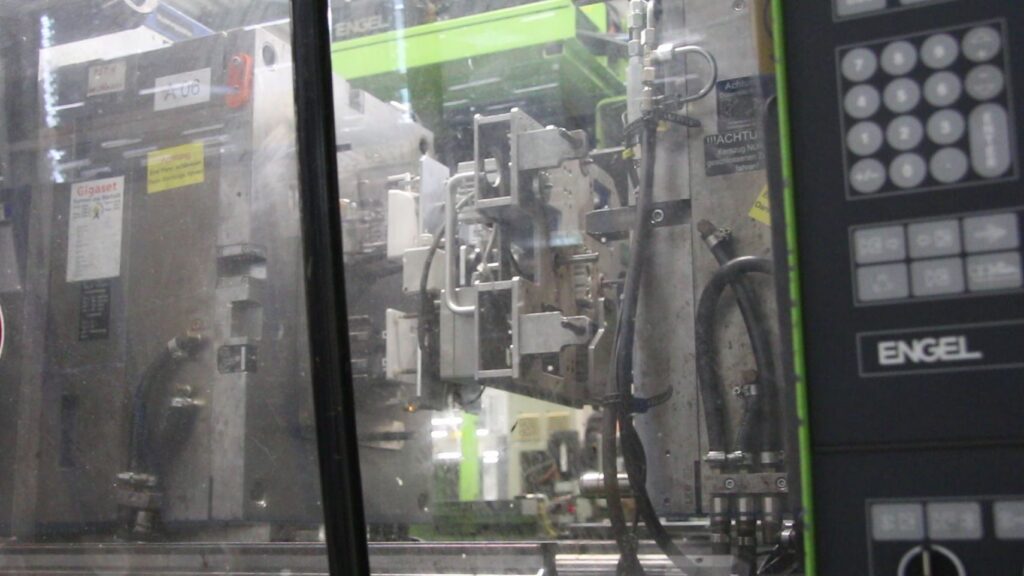
Since 1941 Siemens has been producing telephones in the small town of Bocholt, Germany. Today there are still 550 workers making cordless…
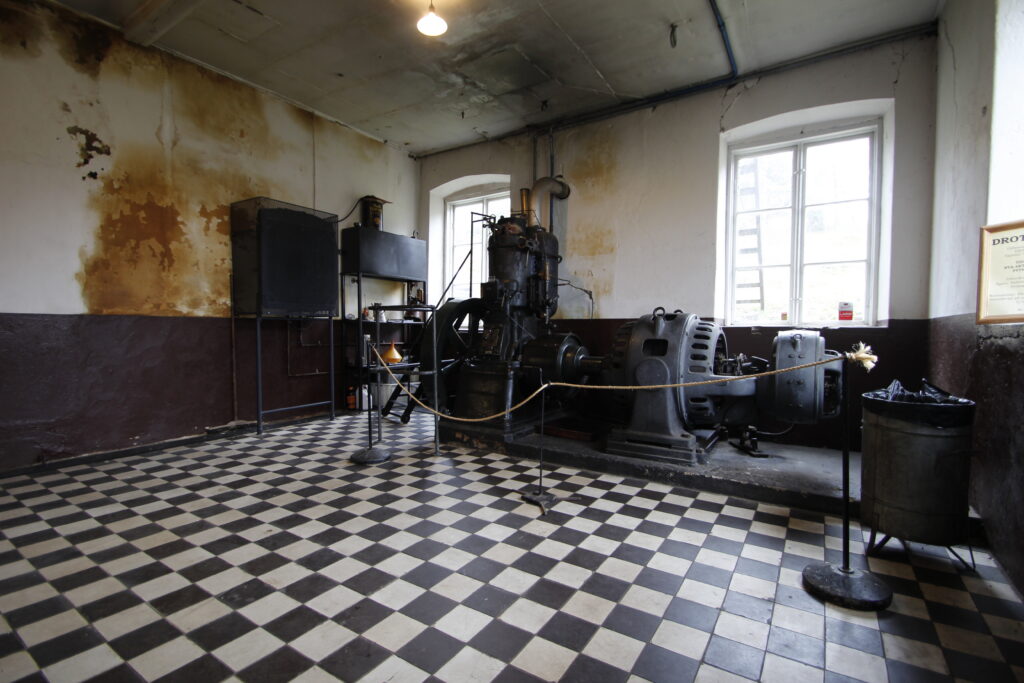
Engine stopping. This large diesel-driven hot bulb engine was built and installed at the Pythagoras-Drott mechanical works in 1932. It has been…
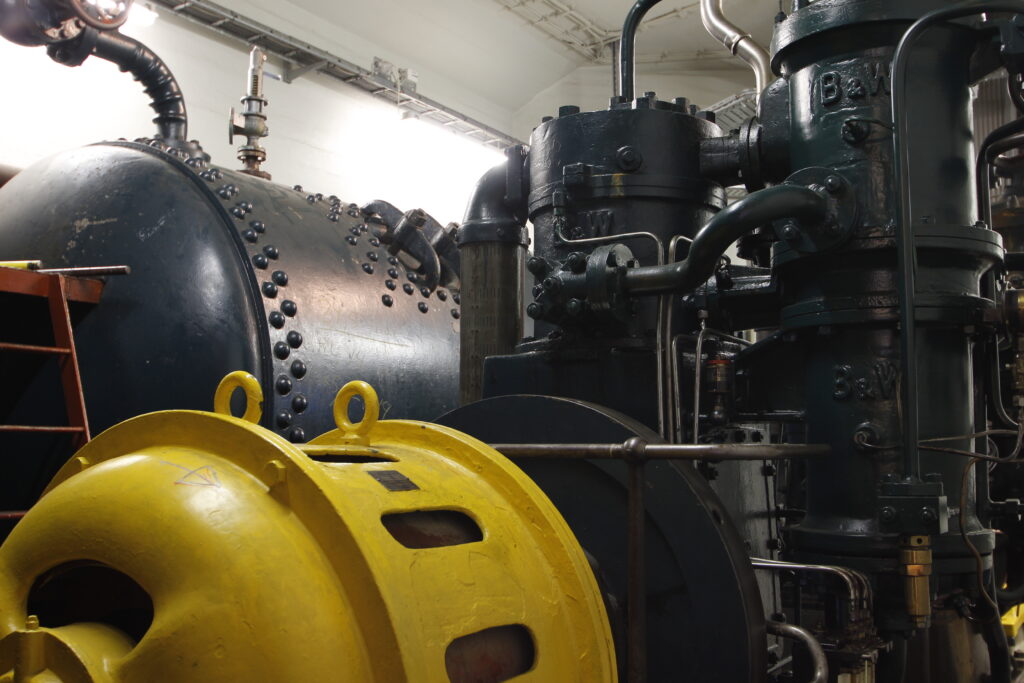
Starting the compressor. Compressed air is used to start the diesel engine. From its first trial run in 1933 and some 30…