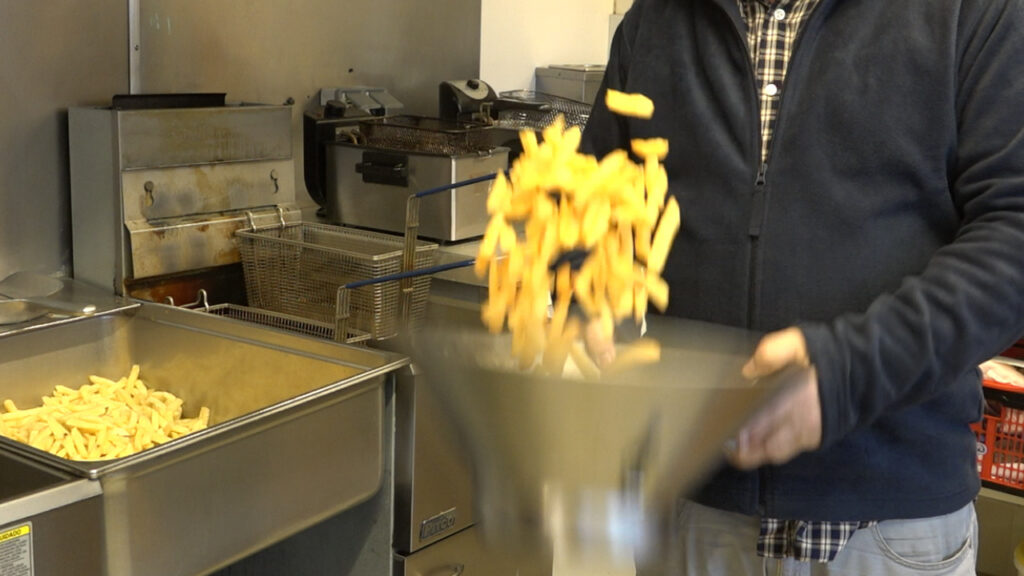
Portion of chips in a drainer
French fries are a Belgian national treasure and legend says that they were invented in this country. The chip shop J. Vandervaeren…

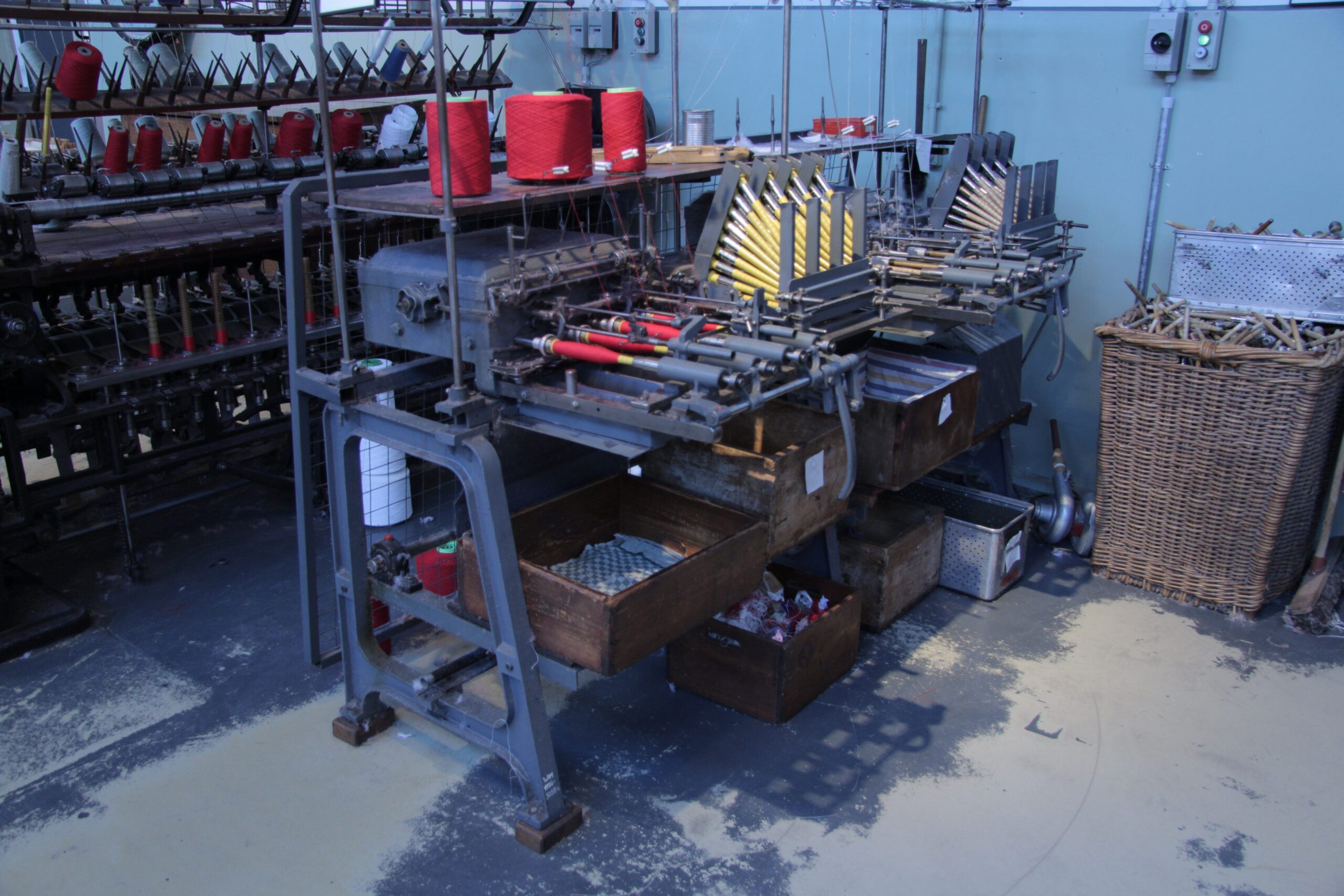
The cops winder made by the Wuppertal company Hacoba (Germany North Rhine-Westphalia) in 1949 was used in the textile industry. It produces yarn bobbins (cops).
In weaving they are inserted into the weaving shuttles of the looms. The machine winds the yarn from a large spool onto smaller cops which fit the weaving shuttles. The rotating drive shaft and the rotation of the cops, as well as the moving mechanism to guide the yarn create the sounds of this machine.
The cops winder was originally in use in the Brothers Büning Weaving Company in Borken (Germany North Rhine-Westphalia). It belonged to the winding department, in which the yarns were prepared for the weaving process. Mainly women used to work in the winding department. Because automated machines eliminated most of the handwork beginning about 1950, the work of the winders mostly consisted of refilling the bobbin container with empty bobbins, changing the spools which were to be unwound and fixing occasional thread breaks.
Today the cops winder occupies the LWL-Industrial Museum Bocholt Textile Factory, where the machine is used for minor productions and for demonstrations.
Sound recordist: Konrad Gutkowski/Julian Blaschke
Photographer: Konrad Gutkowski/Julian Blaschke
Video recordist: Konrad Gutkowski/Julian Blaschke
French fries are a Belgian national treasure and legend says that they were invented in this country. The chip shop J. Vandervaeren…
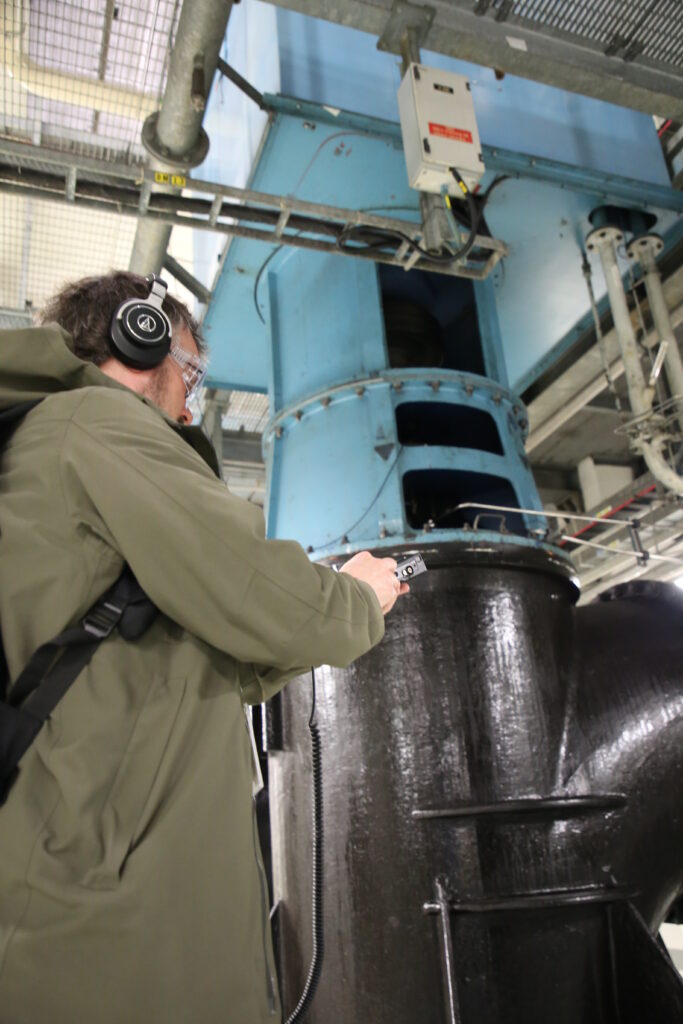
This is the sound of a cooling water station at Ringhals nuclear power plant. The engine of the main water pump propels…
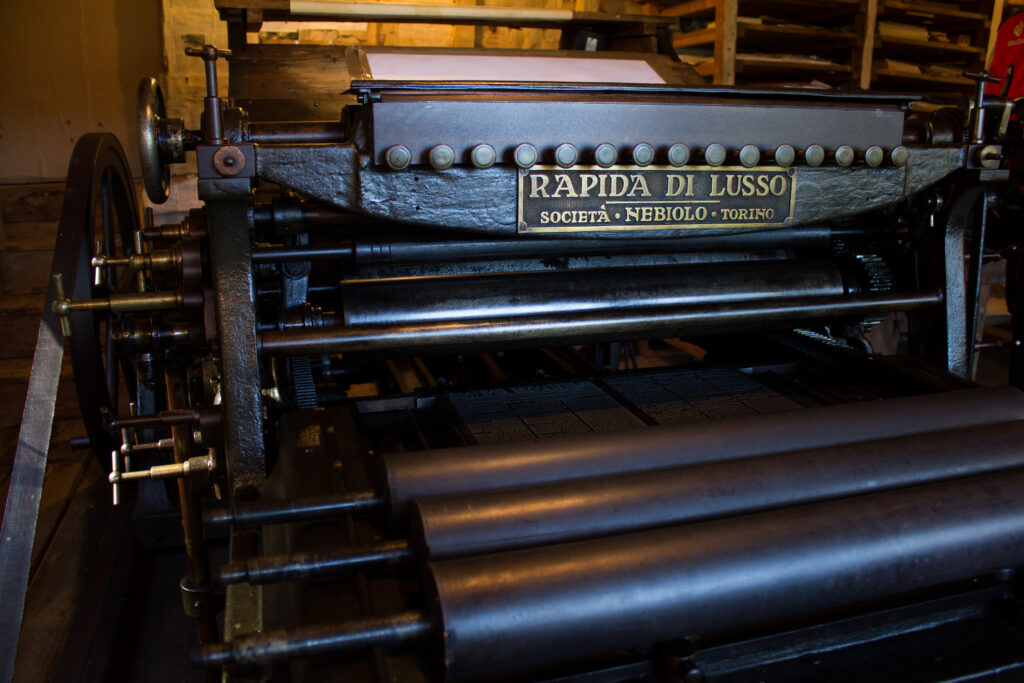
This printing press is part of the Slovenia Printing Shop, which was the largest and best equipped Partisan printing shop in the…
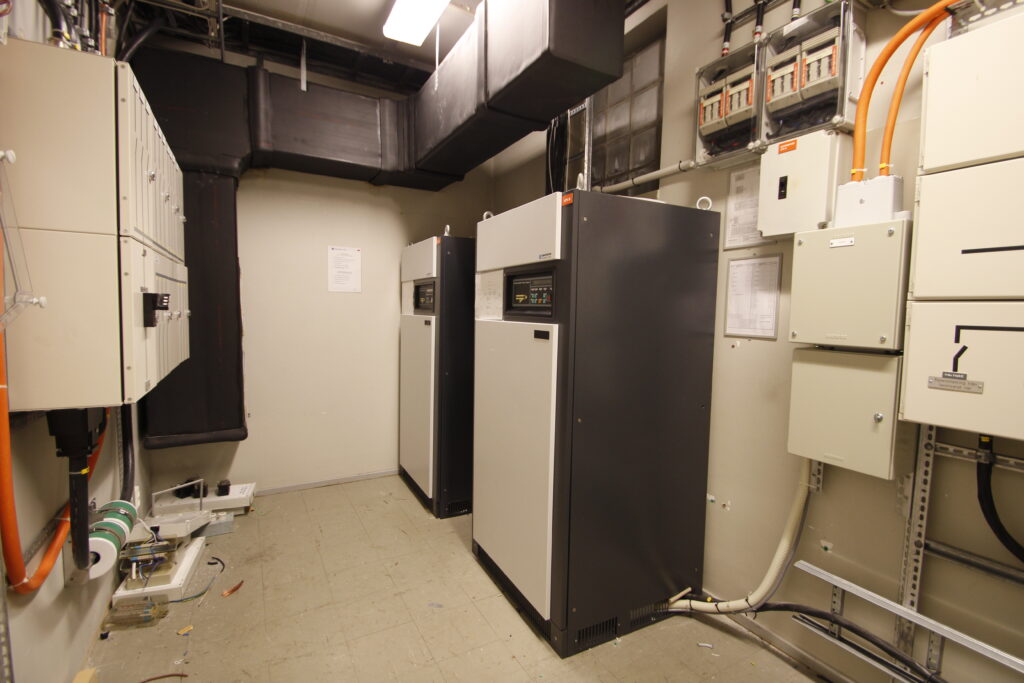
To cope with short power outage some facilities are equipped with uninterruptible power supply. An uninterruptible power supply is an electrical apparatus…