Spring Hammer
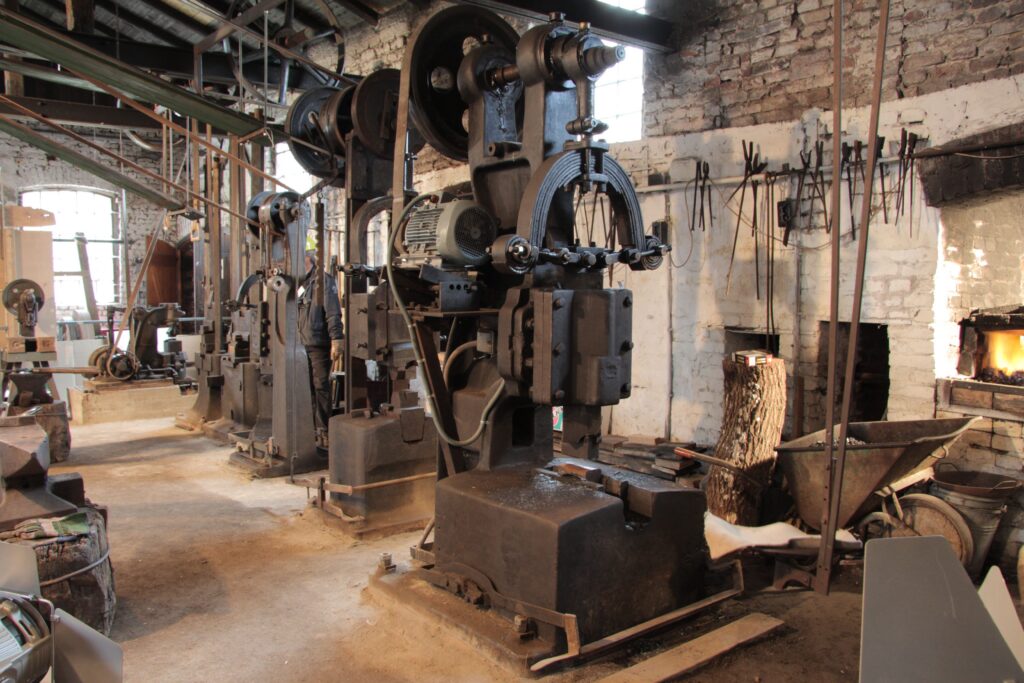
The spring hammer (manufacturer unknown) from the 1920s was originally used in a forge in Southern Westphalia for the purpose of metalworking.…

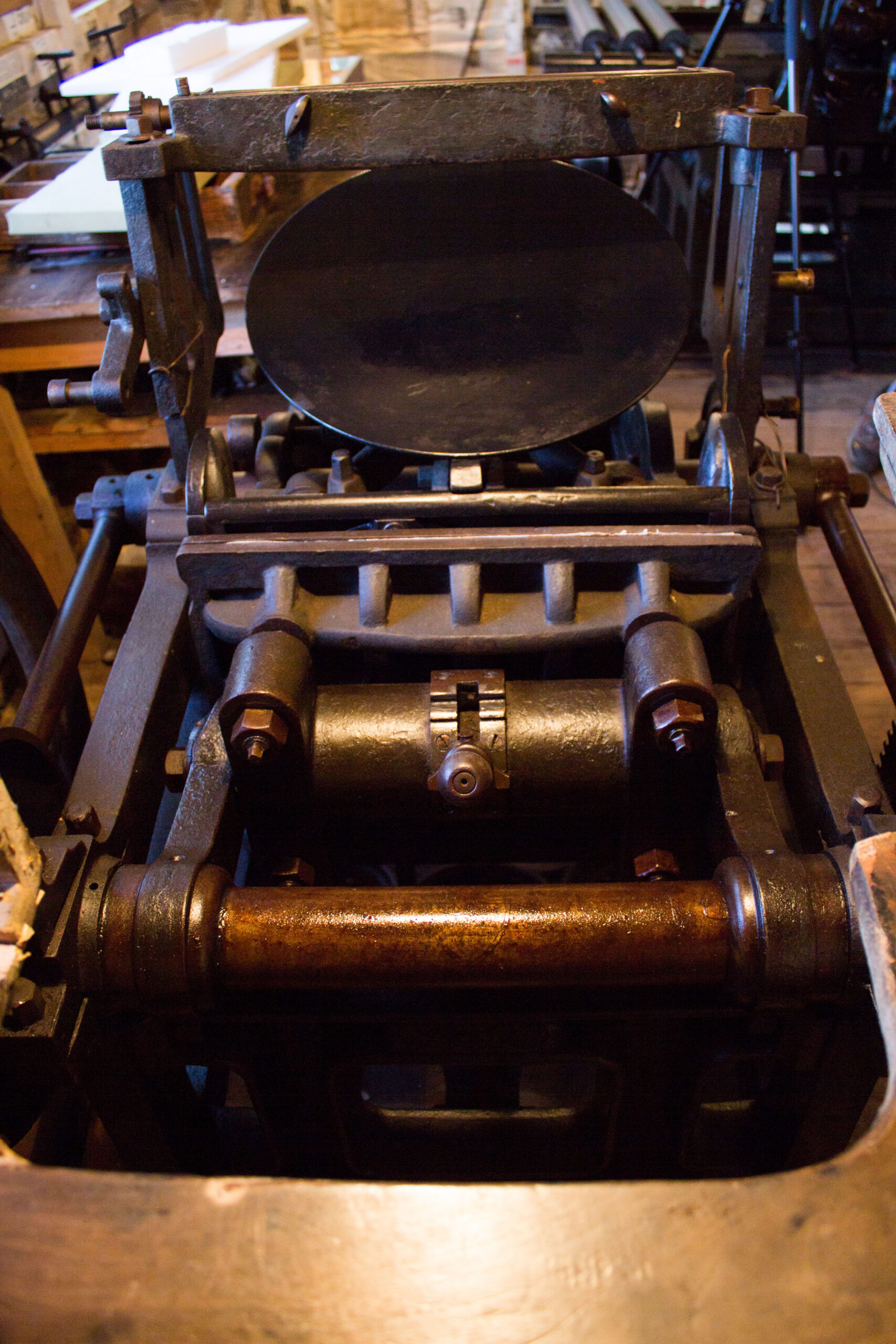
This press is part of the Slovenia Printing Shop, which was the largest and best equipped Partisan printing shop in the western part of Slovenia. It operated from September 1944 to May 1945. The print shop produced newspapers, brochures, leaflets, booklets and other such printed material, and special mention should be made of the Partisan Daily - the only daily newspaper in occupied Europe printed by a resistance movement. The printing shop which is today under the auspices of the Idrija Municipal Museum has been fully preserved and the print machinery is still operational. As part of our cultural and historical heritage it has been open to the public since 1947.
This Tiegel semi-automatic stop-cylinder press was most likely manufactured in the early 20th century. It was transported to the Slovenian Partisan Printing Shop from the very first Partisan printing works, which operated under the name Ančka 222 until 1944. The press has a capacity of 300 prints per hour and is still operational and used for printing demonstrations.
It is a free standing unit powered by hand and foot. The printer starts the press by manually rotating the flywheel with a lever and afterwards it is powered by steadily pushing the foot pedal to the ground. The rollers collect the ink from a rotating drum, evenly distribute it and convey it to the type form. At the point of contact of both vertical surfaces, the imprint is transferred to the paper. After each imprint, the printer manually removes the paper and feeds in a new blank sheet for the next print.
More information on the Slovenia Partisan Printing Shop: http://www.muzej-idrija-cerkno.si/index.php/en/locationsexhibitions/permanent-exhibitions/slovenia-partisan-printing-shop.html
Sound level: 66,6 dB
Sound recordist: Dušan Oblak
Photographer: Veronika Štampfl
Video recordist: Barbara Grilc
The spring hammer (manufacturer unknown) from the 1920s was originally used in a forge in Southern Westphalia for the purpose of metalworking.…
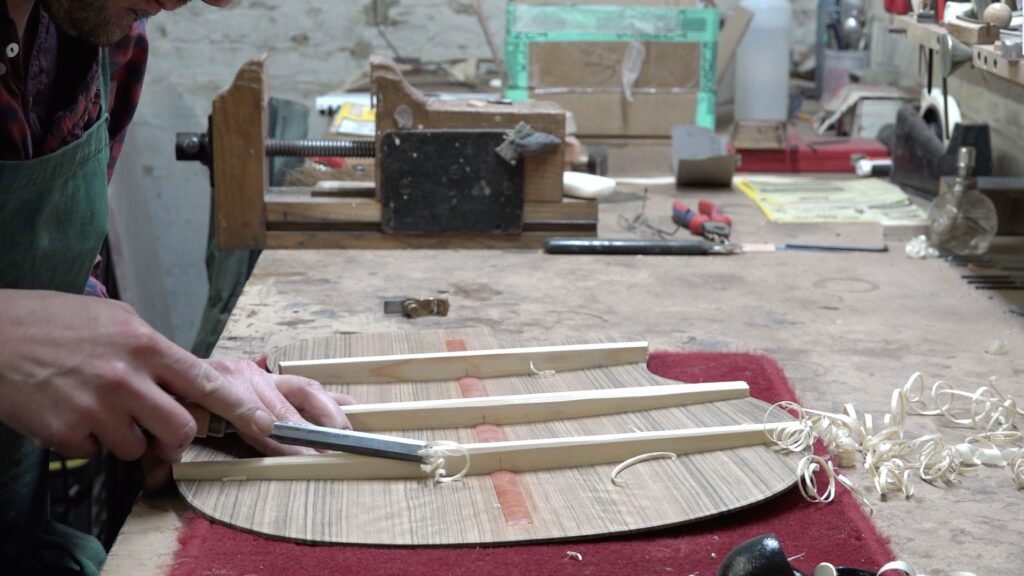
The joint bars are sided with the chisel, which allow to remove a lot of material quickly. The Luthier lightens the bars…
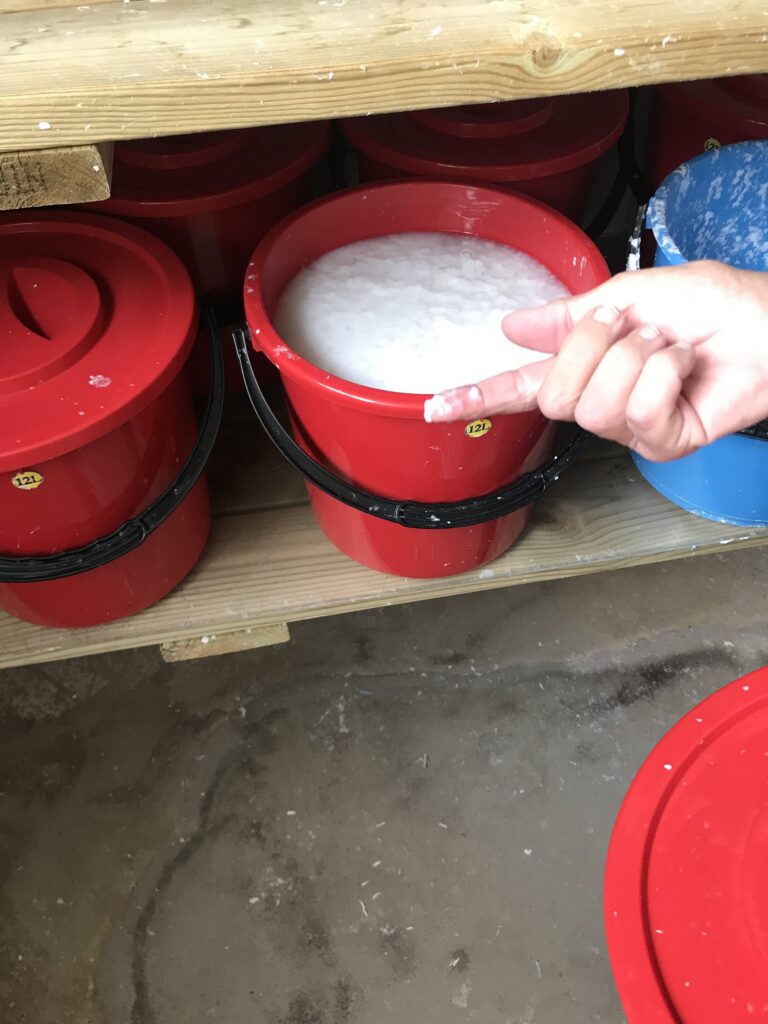
This is the machine into which the mass is gathered and then becomes paper. There is approximately 98% water and 2% papermass,…
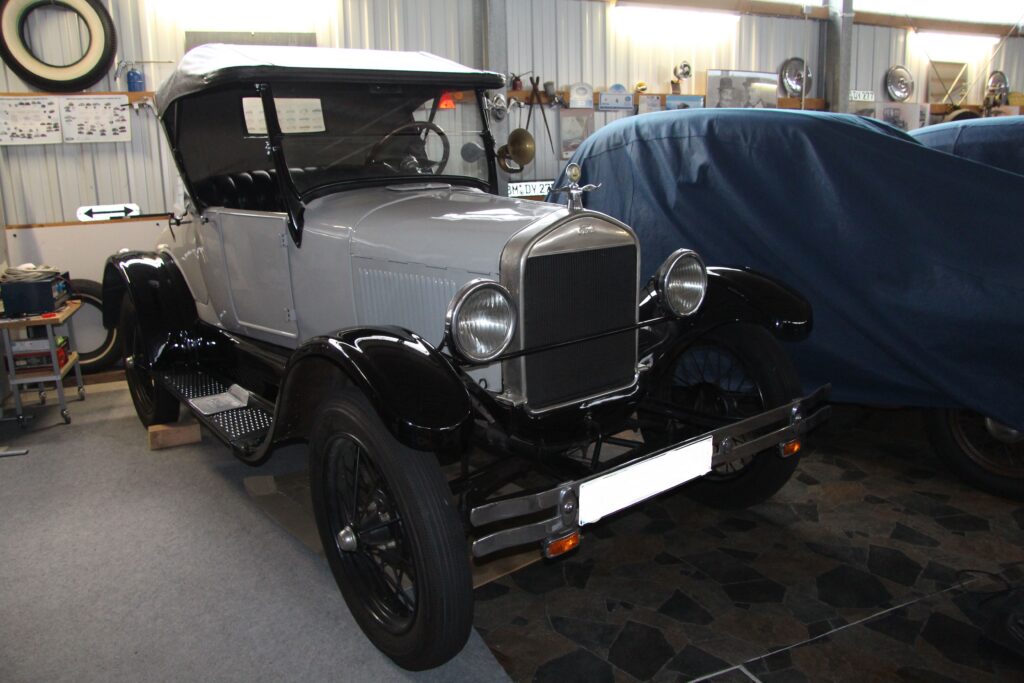
The Ford Model T marks the starting point of mass motorisation. It was developed by Henry Ford. From 1914 onwards Ford produced…