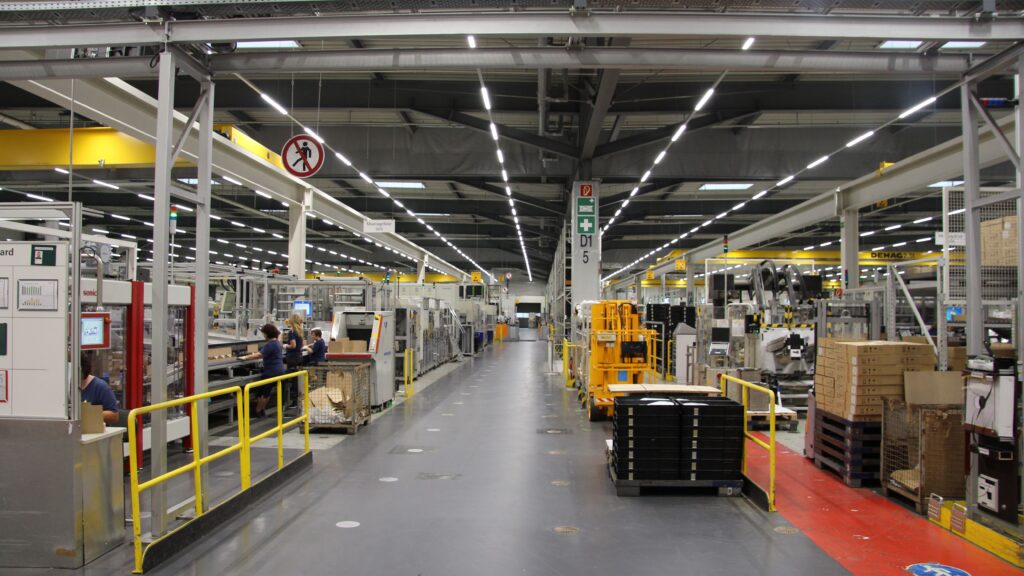
Gigaset Cordless Telephone Production I: Soundscape of Production Hall 50
Since 1941 Siemens has been producing telephones in the small town of Bocholt, Germany. Today there are still 550 workers making cordless…

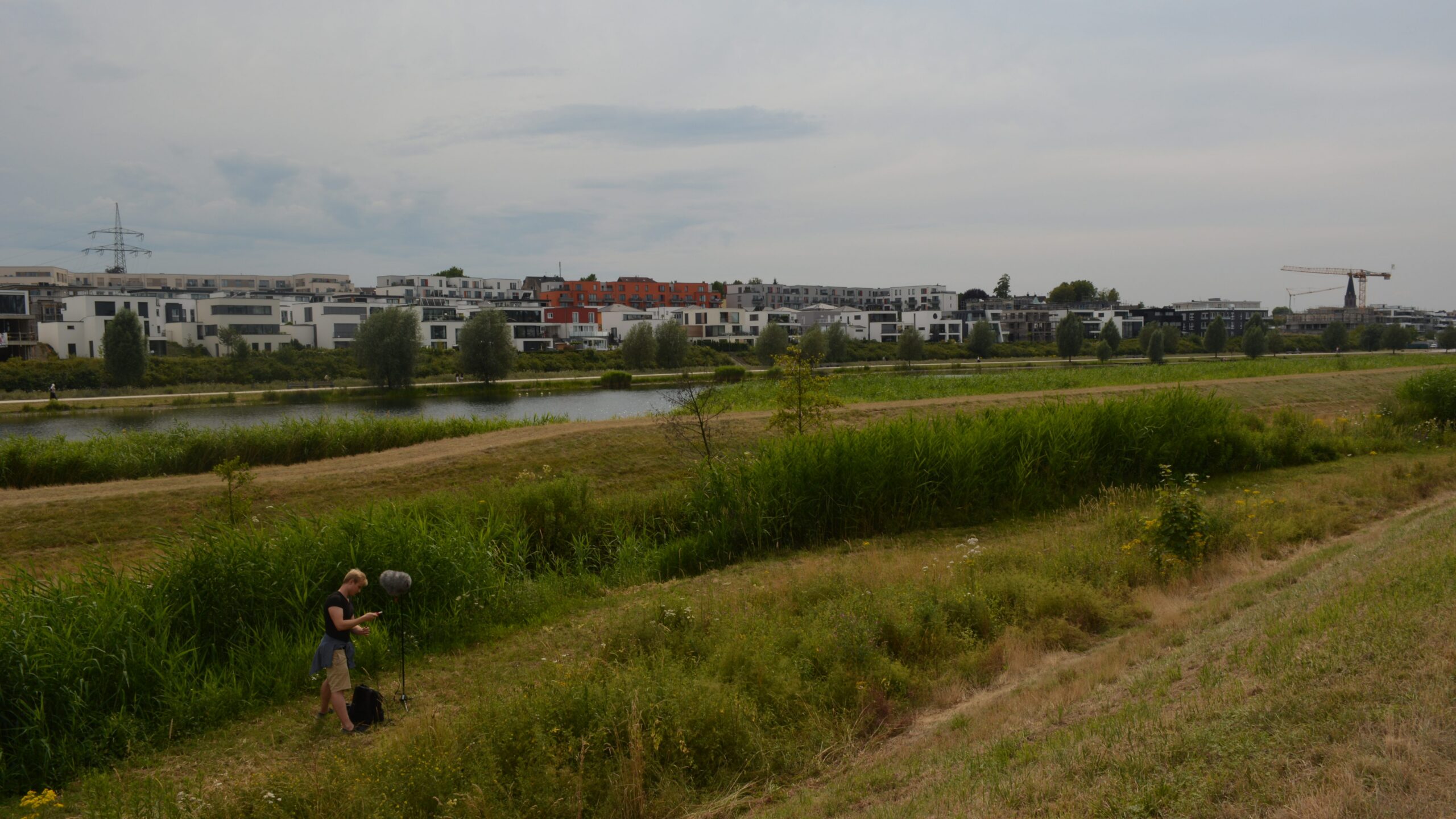
For more than 160 years Hörde in the suburbs of Dortmund has been a site for iron and steel production. The blast furnaces of PHOENIX OST, which had belonged to the concerns of Hoesch and Thyssen Krupp AG, were closed down in 2001. The city of Dortmund bought the area and turned the former industrial site into a recreational area. In addition to the production halls and furnaces 2,5 million cubic metres of soil and 420.000 cubic metres of ferroconcrete were removed. In 2010 a superficial lake, the PHOENIX See, has been created.
Today the area is popular among locals for walks along the promenade and visits to local restaurants that settled nearby the western shore. Companies moved their offices into the area and villas and modern apartments are built by the lake.
This recording was made very close to the reed on the northern shore. You can hear the wind rustle through the reed as well as birds and insects. The voices of people and the noise from the construction site are audible, too. At the beginning of the recording an airplane flying high above Dortmund-Hörde can be heard.
Recordist: Jan Hökenschneider (University of Applied Sciences and Arts Dortmund)
Photographer: Kathinka Engels
Since 1941 Siemens has been producing telephones in the small town of Bocholt, Germany. Today there are still 550 workers making cordless…
Brick production was of great importance in the Lippe area in Germany. The Brick Factory Beerman in Sylbach was one of the…
The ATA 11 is the second automatic desktop telephone manufactured by Iskra in 1956. It is made from white Bakelite and fitted…
The recording was made at the heat and power plant PGE Energia Ciepła S.A. located in Krakow. The combined heat and power…