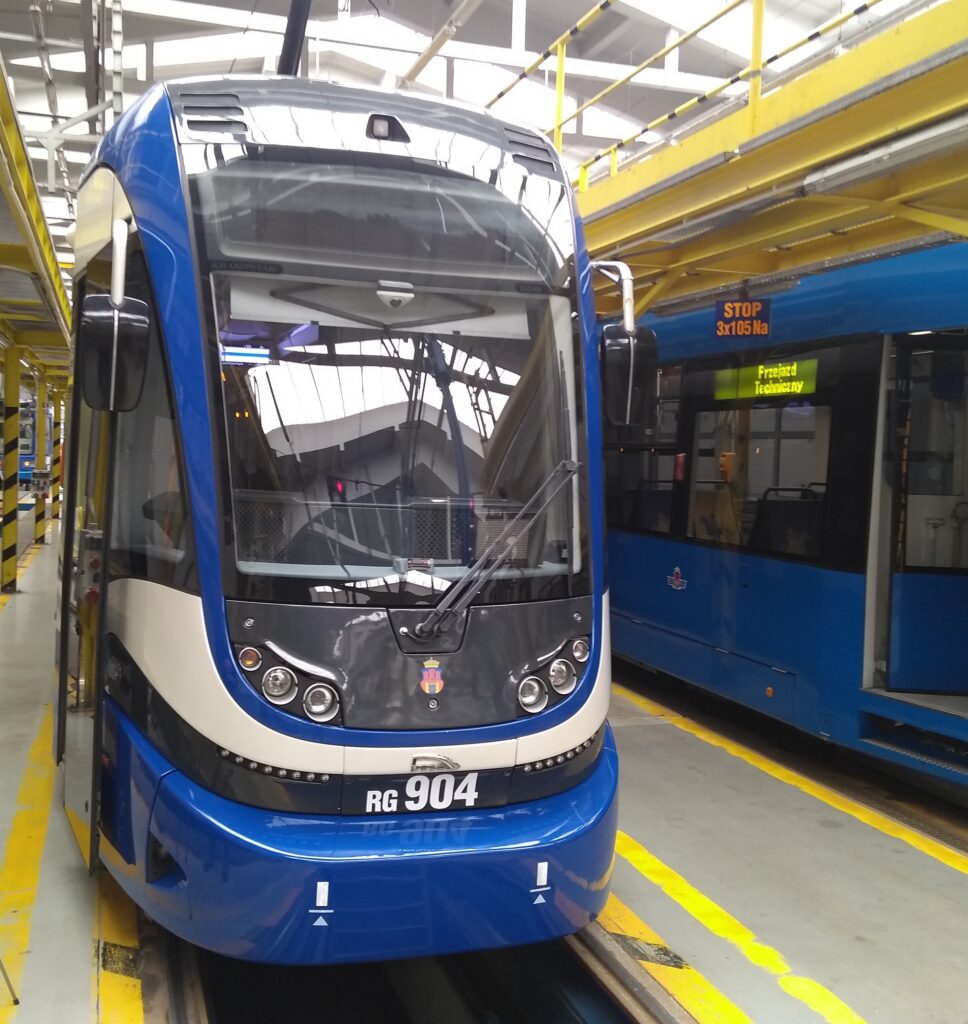
The PESA 2014N tramcar Krakowiak – external bell
The sound of a bell in in the PESA 2014N Krakowiak tramcar recorded at Podgórze depot hall in Krakow. Krakowiak is the…

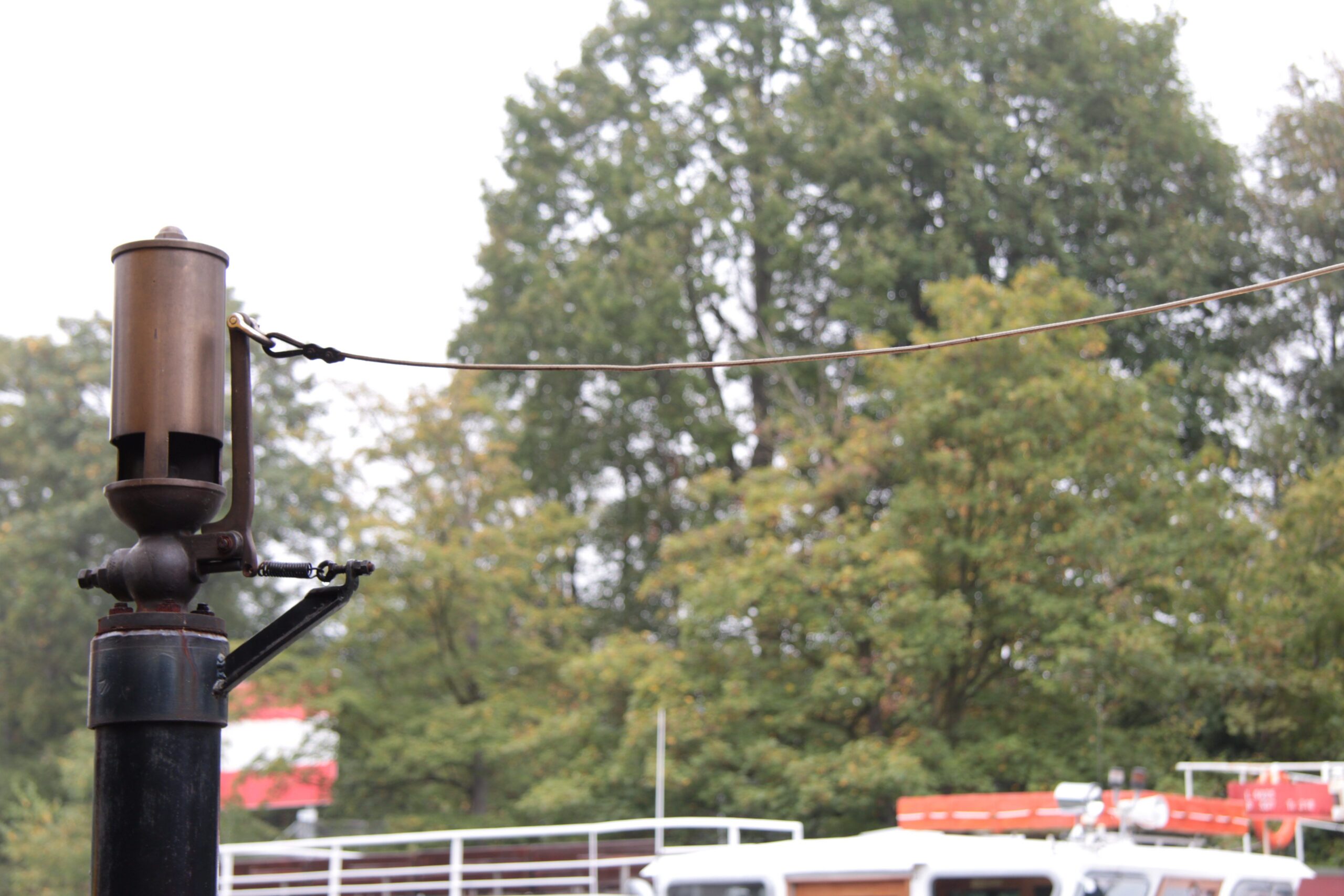
The steam whistle of the steamboat “Nixe” from the year 1939 served as a means of communication through acoustic signals for the inland shipping industry. The “Nixe” was on duty on the Mittelland Canal and on the Elbe as a tugboat and for supervision and travel for the Canal Authority. Today the LWL-Industrial Museum uses this ship for visitor excursions.
Through certain sequences of short (1 second) and long (4-6 seconds) toots, the steam whistle could give danger and warning signals. In addition, signals alerting to bad visibility conditions as well as maneuvering signals could be given.
In order to produce a sound, the skipper pulls a lever in the wheelhouse to open a valve, thereby letting steam escape, which streams from an annular gap against the sharp edge of a whistle bell. This generates vibrations in the air column of the bell, which are perceived as a loud whistling sound.
Sound recordist: Konrad Gutkowski / Jonathan Nicolai
Photographer: Konrad Gutkowski / Jonathan Nicolai
Video recordist: Konrad Gutkowski / Jonathan Nicolai
The sound of a bell in in the PESA 2014N Krakowiak tramcar recorded at Podgórze depot hall in Krakow. Krakowiak is the…
A fan in the shower which circulates the air in the bathroom. Photo and recording by Helena Törnqvist.
Liisa Matveinen is a professional traditional folk musician who has done her masters degree in Kantele playing and singing. Kantele is a…
Since 1941 Siemens has been producing telephones in the small town of Bocholt, Germany. Today there are still 550 workers making cordless…