Nikiszowiec Housing Estate – the soundscape (binaural)
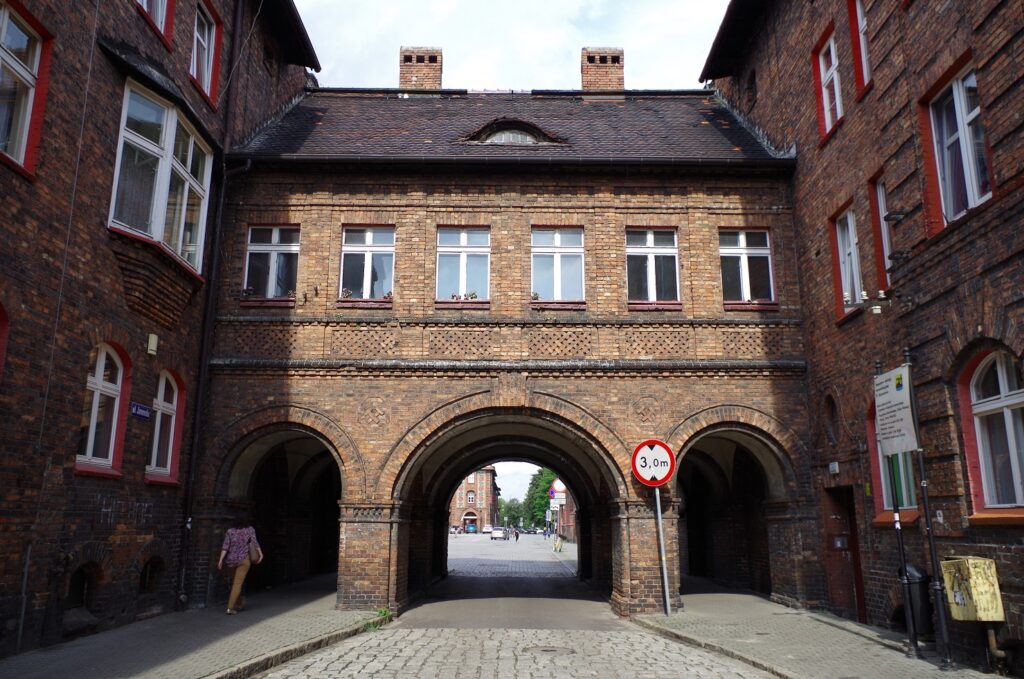
The soundscape recorded at Nikiszowiec housing estate in Katowice in the afternoon on a week day. Nikiszowiec was built between 1908-1918 on…

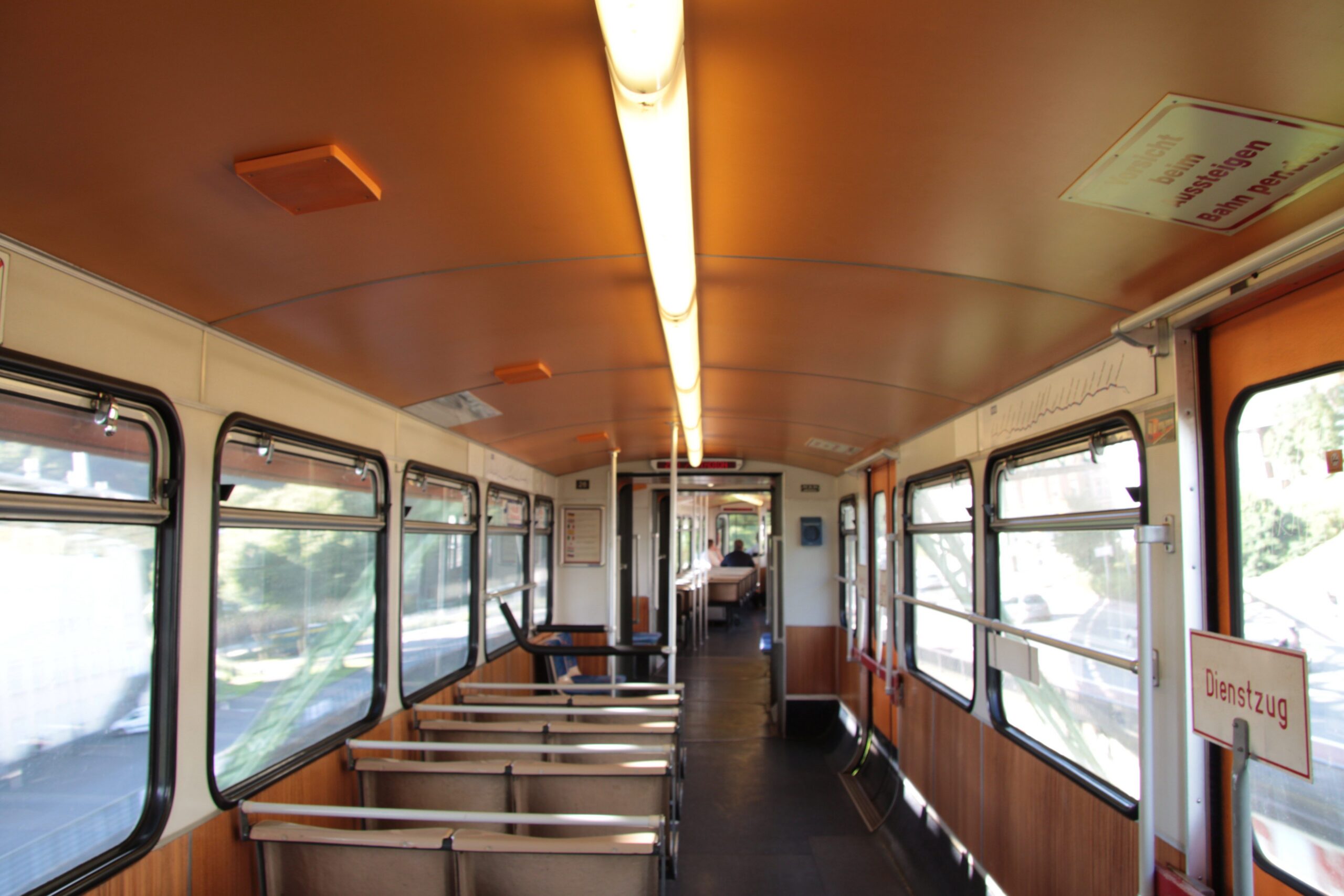
The overhead monorail, type GTW 72 (also known as the Wuppertal Suspension Railway), was built by Maschinenfabrik Augsburg- Nürnberg (MAN) in the 1970s on behalf of the Wuppertal Stadtwerke (municipal utilities). It is a vehicle of the local public transportation in Wuppertal (Germany, North Rhine-Westphalia).
A single rail, supported by a steel framework about 15 meters high with supports and connecting bridges, comprising about 28 km total length, serves as a “roadway” for the vehicle. The train moves while hanging on the rail. The drive component consists of an electric motor and wheels – similar to cable cars. It is mounted upon the top of the wagon, allowing the wheels of the vehicle to roll on top of the rail with the wagon hanging underneath.
The sounds of the overhead monorail were recorded during a business trip without passengers. One can hear the electric motor, the rolling of the wheels on the rail, the vibrations of the car body, the doors opening and closing and the driver announcing the next stop.
At the end of the 19th century the cities in the valley of the Wupper river belonged to the industrial centers of textile manufacturing in North Rhine-Westphalia. As the cities grew more crowded, the vehicle traffic increased substantially. The densely built valley couldn't accommodate the construction of a new public highway and a tram that ran underground was impossible due to the ground's rocky consistency. In 1898 the construction of an overhead monorail with slanted supports began. In 1901 the „Wuppertal Suspension Railway“went into service. It became a protected local heritage in 1997. Today about 82.000 people use the suspension railway every day as a means of transport.
Sound recordist: Konrad Gutkowski/Nils Klockmann
Photographer: Konrad Gutkowski
Video recordist: Konrad Gutkowski
The soundscape recorded at Nikiszowiec housing estate in Katowice in the afternoon on a week day. Nikiszowiec was built between 1908-1918 on…
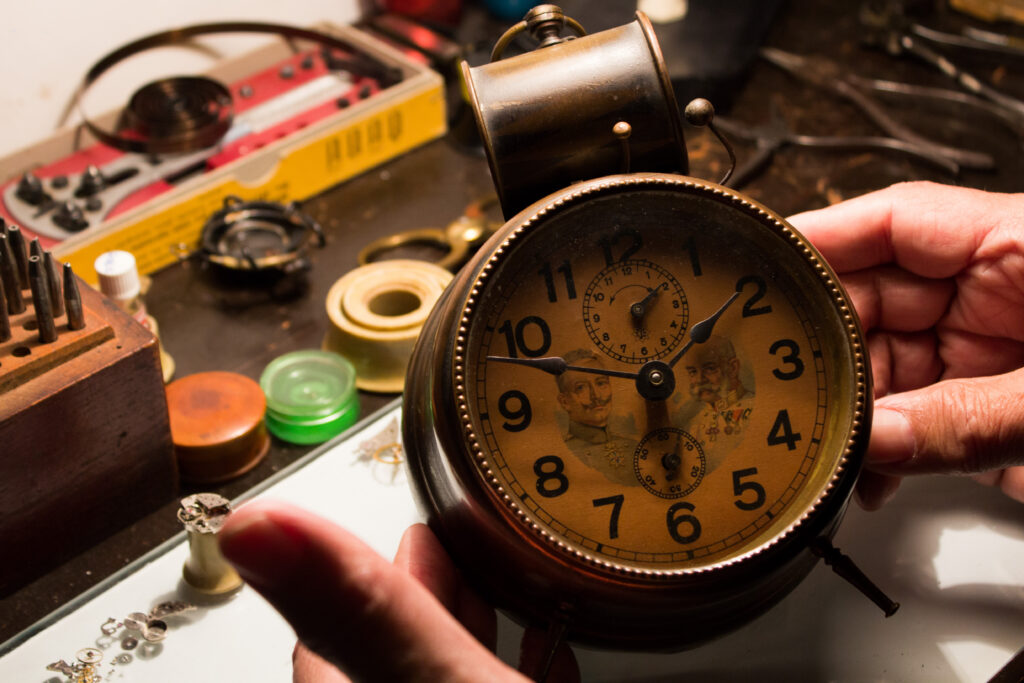
A Junghans Army alarm clock with a face depicting the Austro-Hungarian Emperor, Franz Joseph and the crown prince Franz Ferdinand, manufactured about…
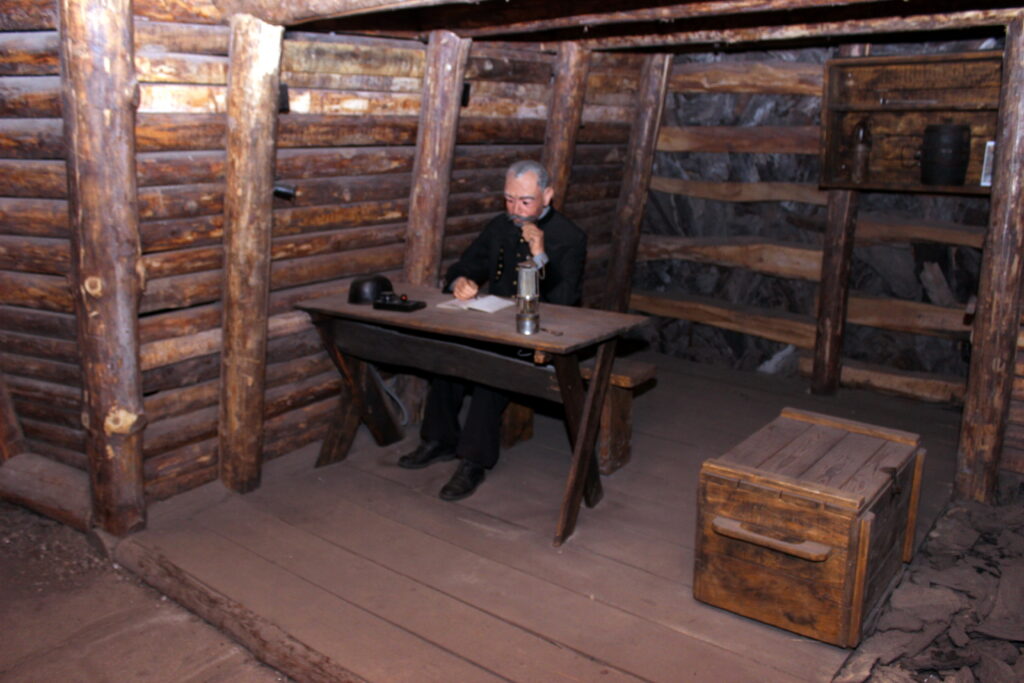
The sounds are simulating a mining accident and a blasting operation in the coal mine. The Coal mining Museum of Slovenia in…
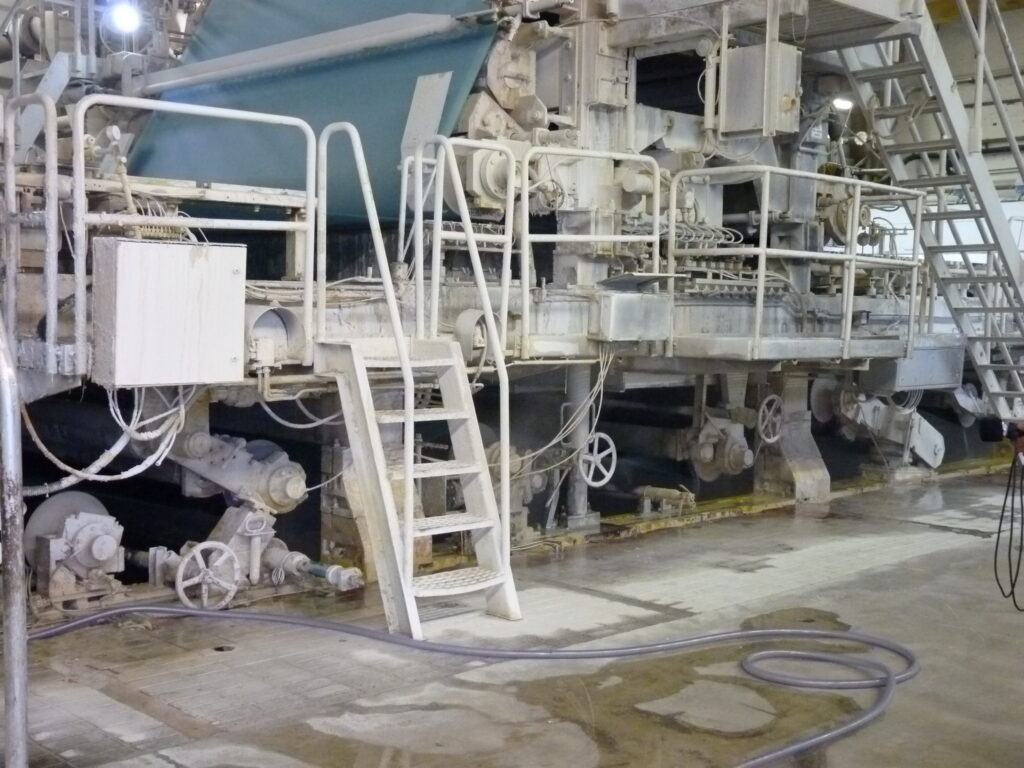
The Goričane company originates from one of the oldest Slovenian paper mills, established in 1740. The company has been producing paper at…