Multiblade Saw (Wooden Box)
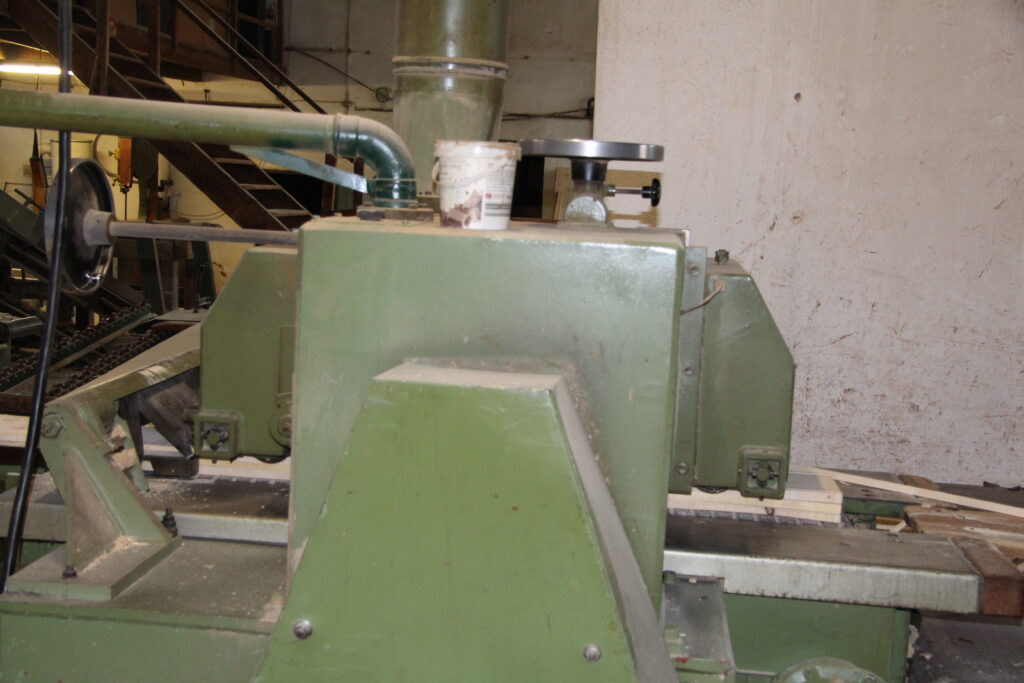
Model: Raimann K 23 dB: 88.8 (max) Recording distance: 1,5m The first step in crafting a wooden box is to cut long…

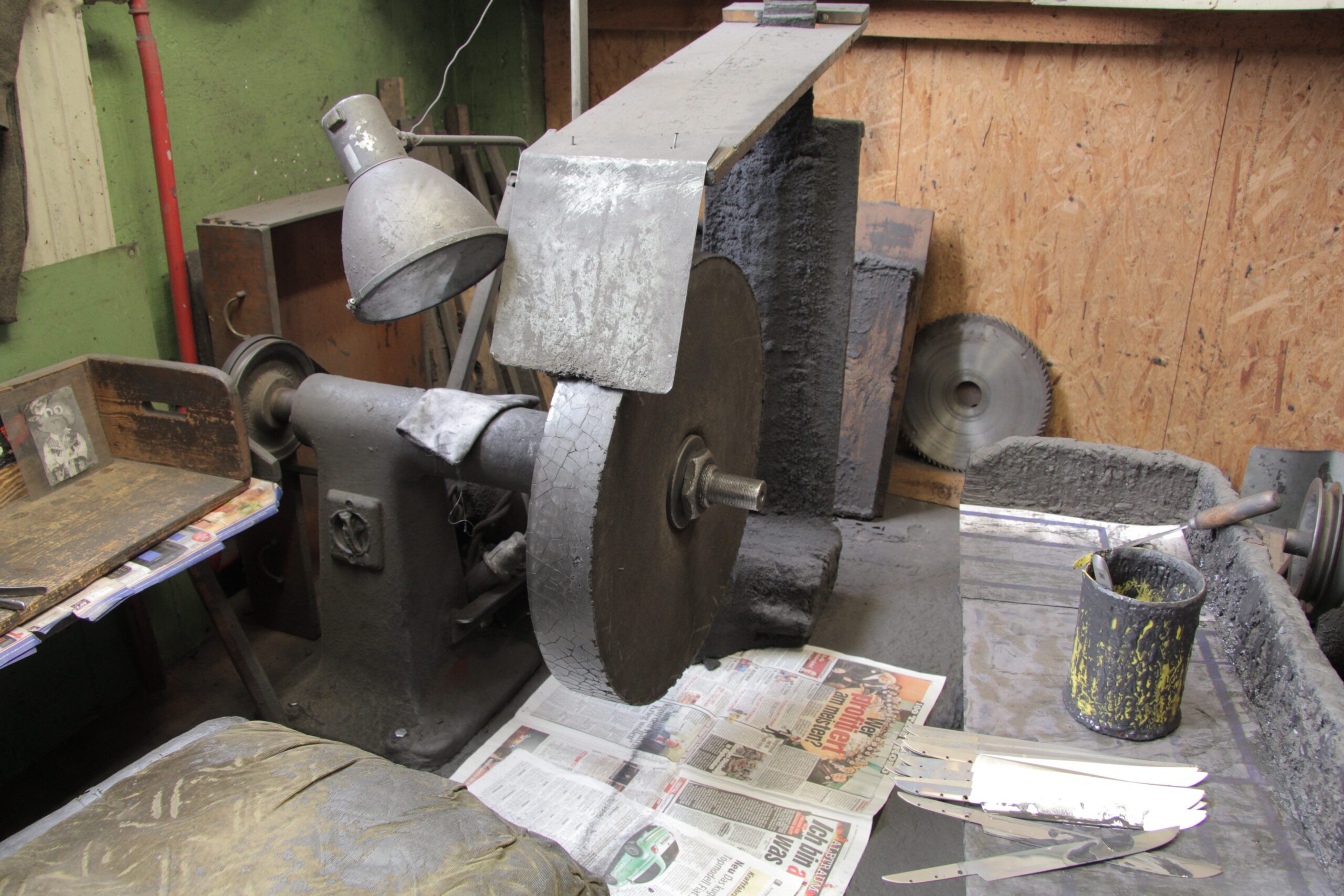
The “Feinpließtbock” from the 1910s is an electric sharpening machine which is used, generally by trained operators, to create a special finish (precision-grinding) for the blades. The surface of the blade is freed of the rough stress marks by using an abrasive paste and rotating leather or felt discs. At the same time small, unwanted blemishes are corrected and the sharpening angle is narrowed a bit. This gives the blade finer, smoother rills, which affects the cutting quality and durability.
The characteristic sounds of this process result from the sharpening of the blade on the grinding wheel.
The “Feinpließtbock” from the 1910s is located in the knife factory Windmühlenmesser Robert Herder in Solingen (Germany, North Rhine-Westphalia). Today the enterprise is in its 4th generation, headed by Giselheid Herder-Scholz. It has maintained techniques and methods of manual knife-making which have vanished more and more with the growth of mechanical fabrication.
In Solingen the production of blades has a long tradition. As early as the 14th century blades were made in large numbers in Solingen. Until the end of the 19th century the entire economy of Solingen was dominated by the cutlery industry.
Sound recordist: Konrad Gutkowski/Julian Blaschke
Photographer: Konrad Gutkowski/Julian Blaschke
Video recordist: Konrad Gutkowski/Julian Blaschke
Model: Raimann K 23 dB: 88.8 (max) Recording distance: 1,5m The first step in crafting a wooden box is to cut long…
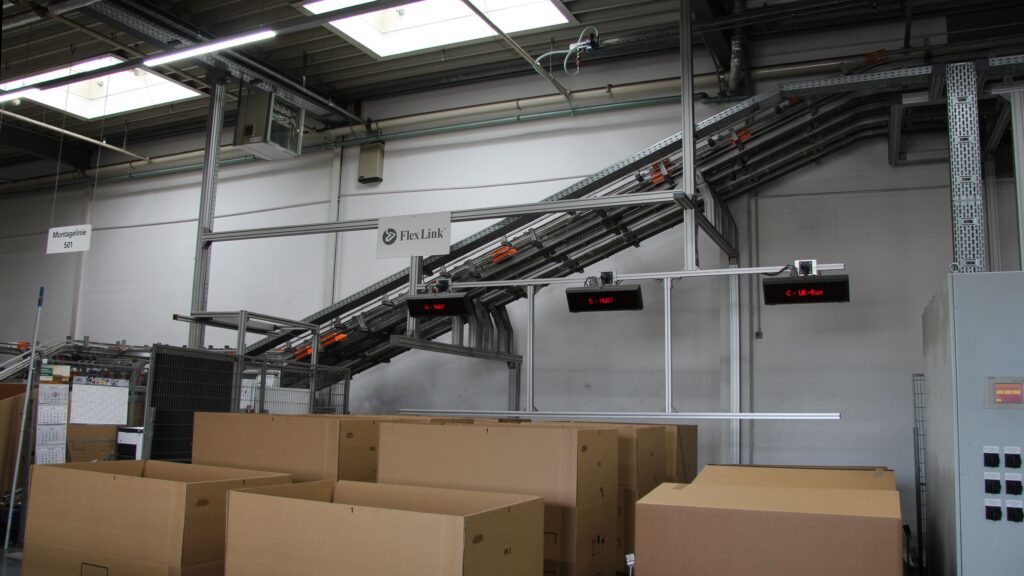
Since 1941 Siemens has been producing telephones in the small town of Bocholt, Germany. Today there are still 550 workers making cordless…
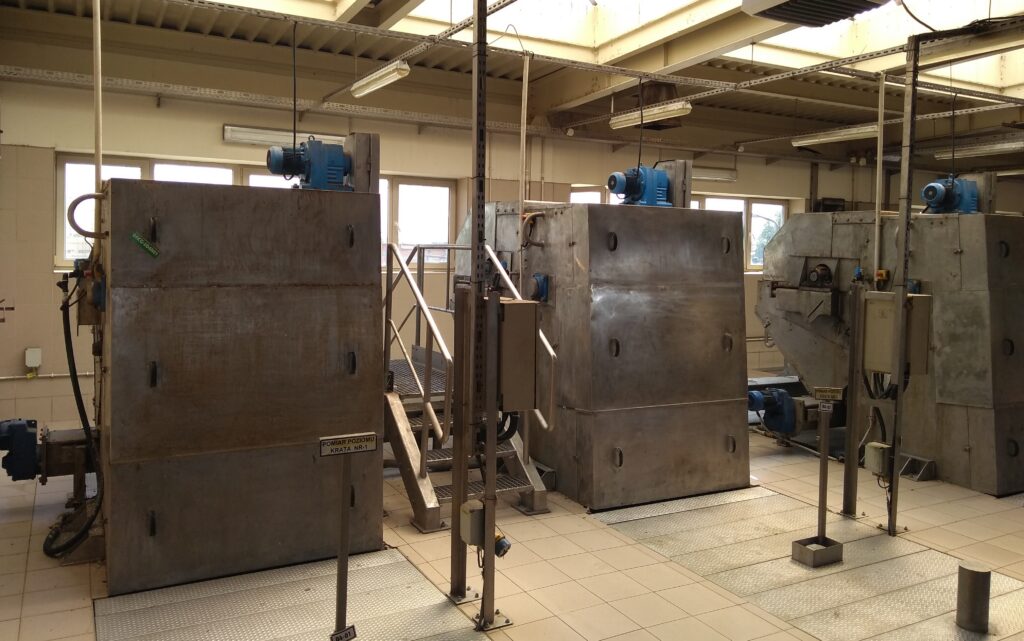
Soundscape recorded in the fine screen hall. Sewage goes through 6 mm fine screens. Every day, about 3 tonnes of impurities are…
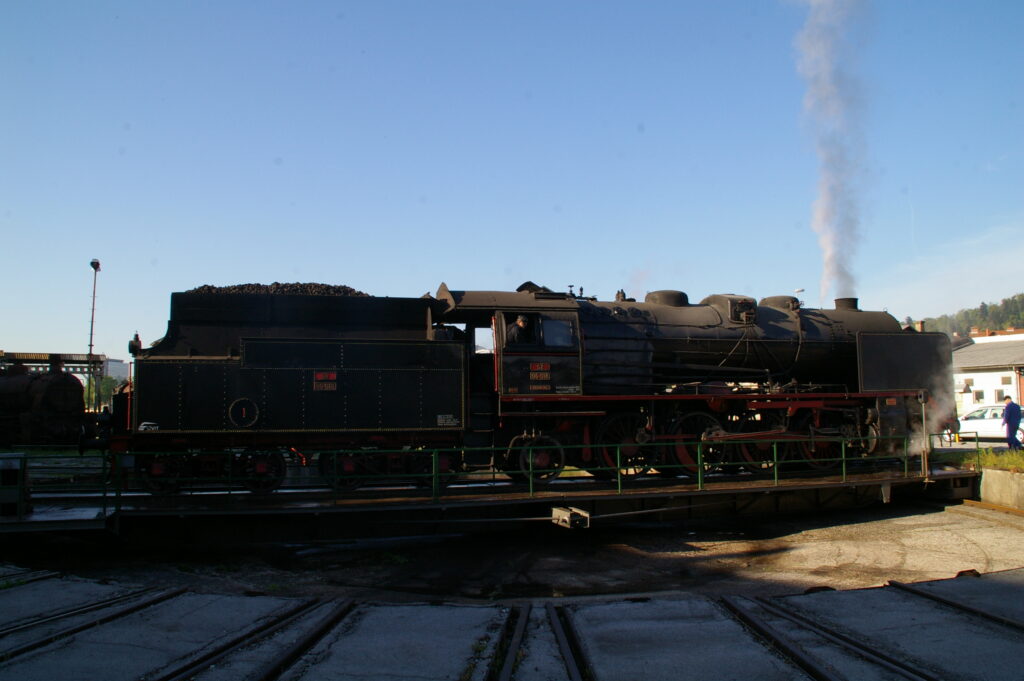
The sound: Locomotive moving onto turntable and being turned. In line with the concept of German standardised locomotives set out in 1920,…