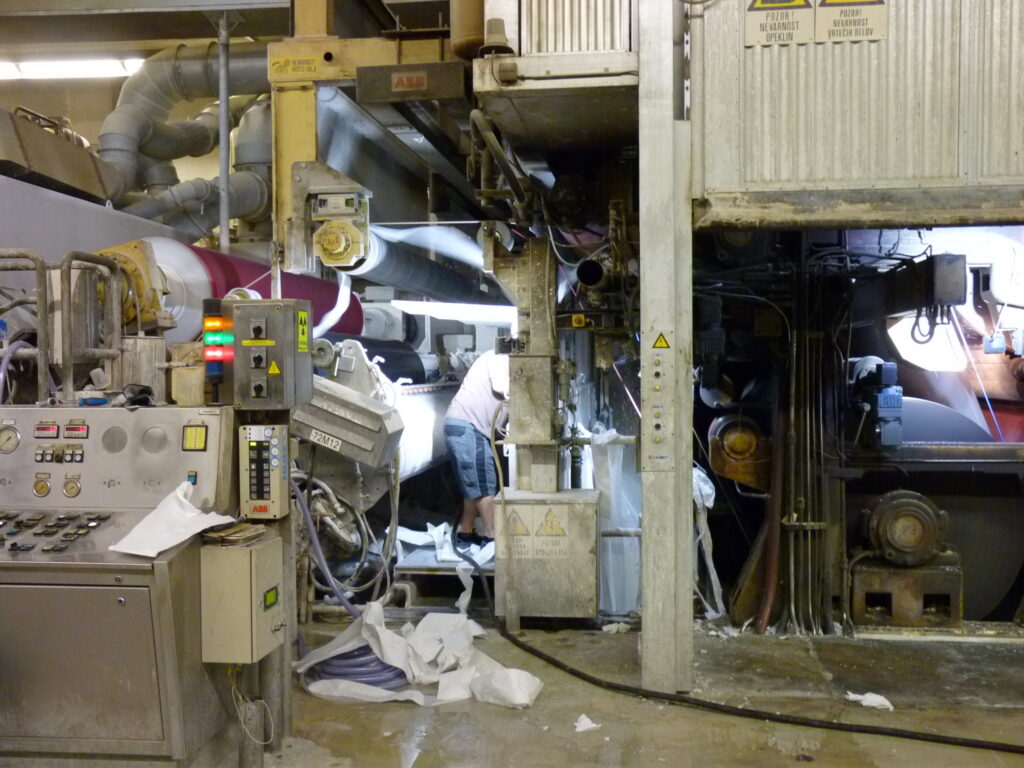
After-drying group
The Goričane company originates from one of the oldest Slovenian paper mills, established in 1740. The company has been producing paper at…


Brick production was of great importance in the Lippe area in Germany. The Brick Factory Beerman in Sylbach was one of the many production sites in the area. Opened in 1909 the factory did not introduce machines for industrial brick production until 1922. However, after the factory had changed from coal to oil as energy source, oil prices went up within the oil crisis. The factory had to close in 1979.
By 2001 the former factory has been bought, restored and turned into a museum by the Landschaftsverband Westfalen Lippe. Today the historic machines of the brick factory Beermann are running once more. The industrial process of making bricks can be explored during special presentations at the museum. These presentations include all processes within industrial brick production – from clay mining and transport over rolling and pressing to drying of the blanks and firing. This recording was made during such a public presentation of industrial brick production.
In a first step the freshly mined clay is transported unto the second floor of the factory house, the “tilting floor”. In the recording you can hear how a clay-filled wagon is pulled up by a hoist.
Sound: Lukas Rabl (The University of Applied Sciences Dortmund)
Photo/Viedeo: Kathinka Engels
The Goričane company originates from one of the oldest Slovenian paper mills, established in 1740. The company has been producing paper at…
The Maudslay engine was the first beam engine built for the Kew Bridge works and began pumping in 1838. A beam engine…
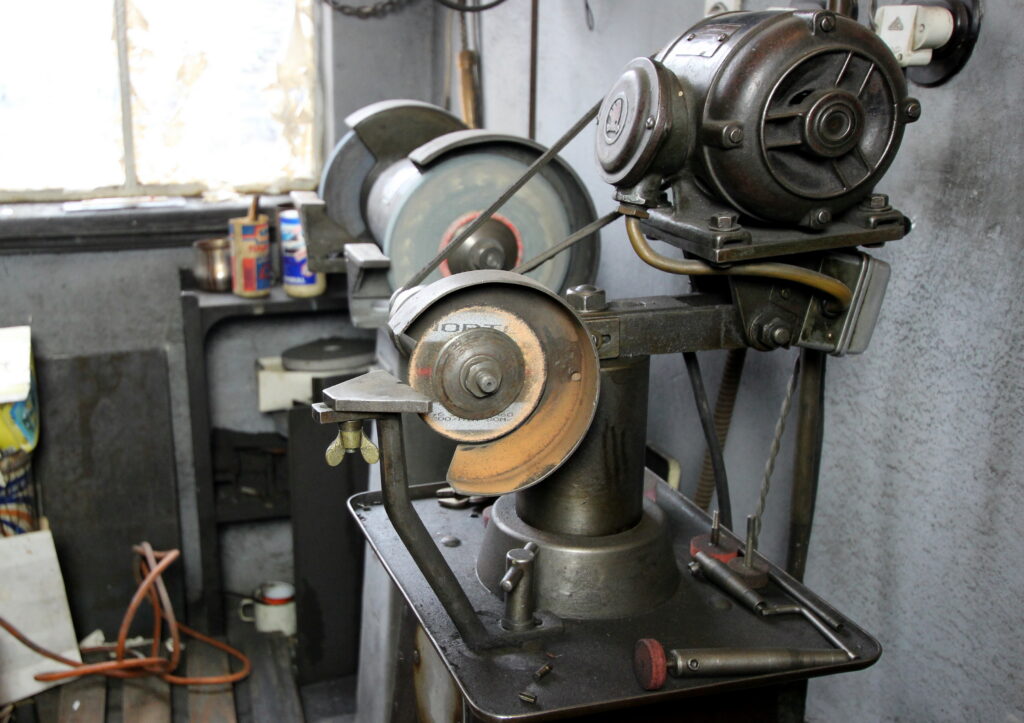
It was an auxiliary tool for sharpening tools. Kunaver's mechanical metalworking workshop has been operating since 1928 in Rožna dolina in Ljubljana.…
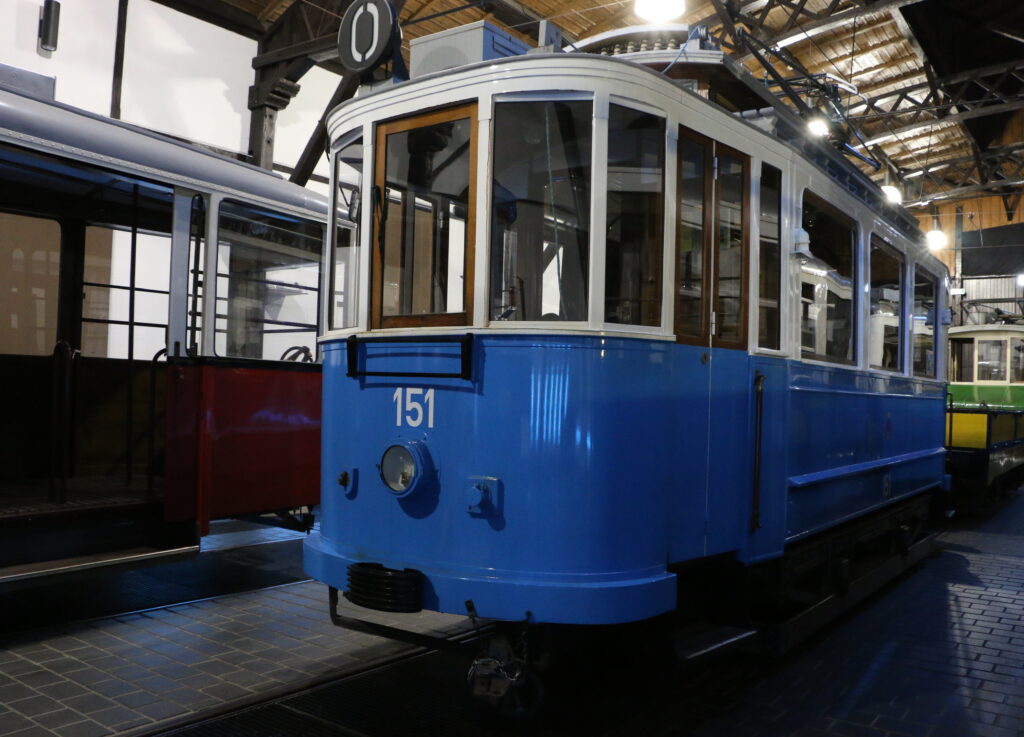
The sound of doors opening and closing in an SN4 tram car. The sound was recorded inside the car. The SN4 motor…