Sauce
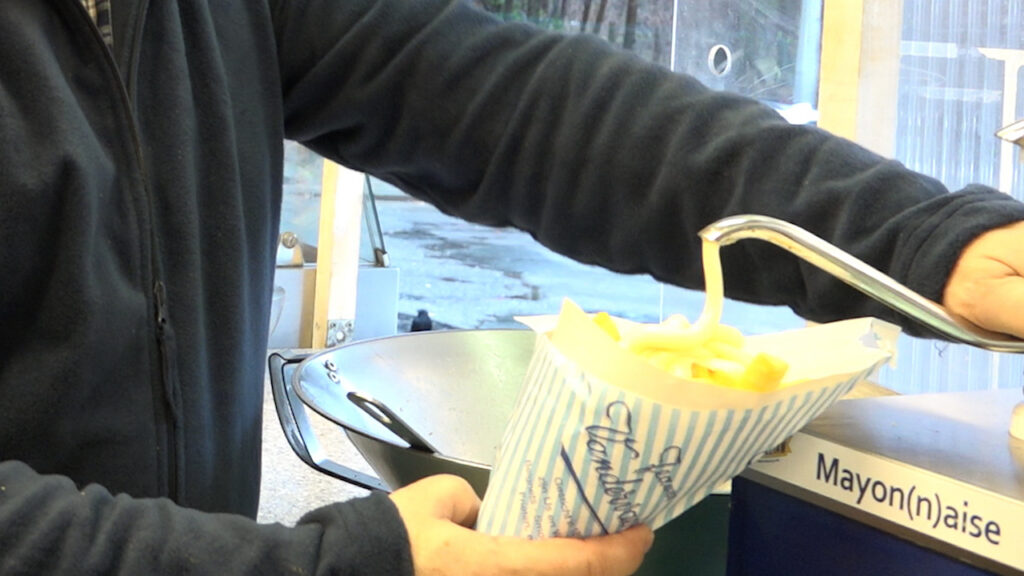
Belgian "fritkots" have a large selection of sauces including mayonnaise, ketchup, samourai, andalusian and american. The chip shop J. Vandervaeren is located…

This driving force was located in the Turners’ Hall of the Compagnie des Bronzes, in Brussels, and would date from the late 19th century. It operated a complex system of machinery. It has been restored in the 1990s and is today exhibit in the Museum of La Fonderie. It still operates a lathe today and is used for demonstration during guided tours.
In the 19th century, a steam engine operated the lathe by a series of pulleys and belts. This transfer of energy is typical in workshops and enables a better organisation of space. This was resplaced later (in the 1920s) by an electrical engine.
The belts were originally made from hemp. Once the energy to be transmitted increases, it is replaced by leather that is stapled or nailed down at each end. Pulleys of different sizes allow variation in the speed of machine rotation.
The use of such belts disappears with the advent of the individual electric engine. But they are still largely used today, particularly in motor vehicles.
Each lathe is equipped with a drive shaft with a fixed pulley, and a loose pulley or "idler", which is not driven by the shaft. Using a lever, the worker slides the belt from the fixed pulley to the loose pulley to declutch the lathe.
Belgian "fritkots" have a large selection of sauces including mayonnaise, ketchup, samourai, andalusian and american. The chip shop J. Vandervaeren is located…
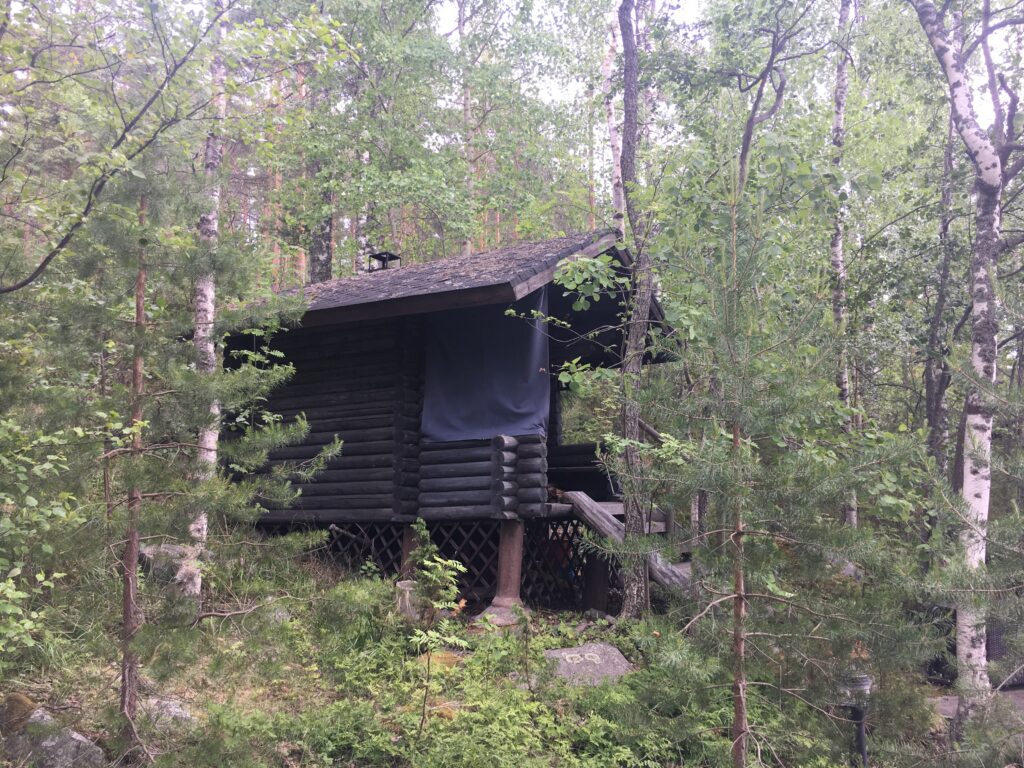
The bathing water is heated in a metal tank that is located in it’s own compartment of Kiuas. In the audio you…
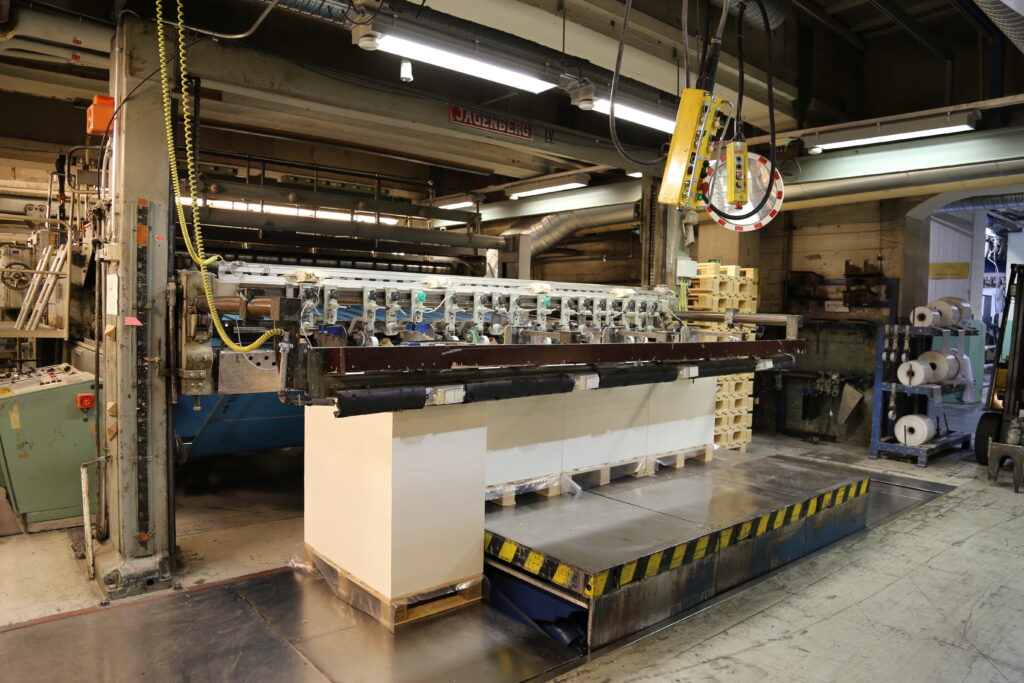
Sheet cutter cuts the cardboard reels to the dimensions ordered by the clients. Duplex-cutters have two cross-cutting blades allowing two lengths to…
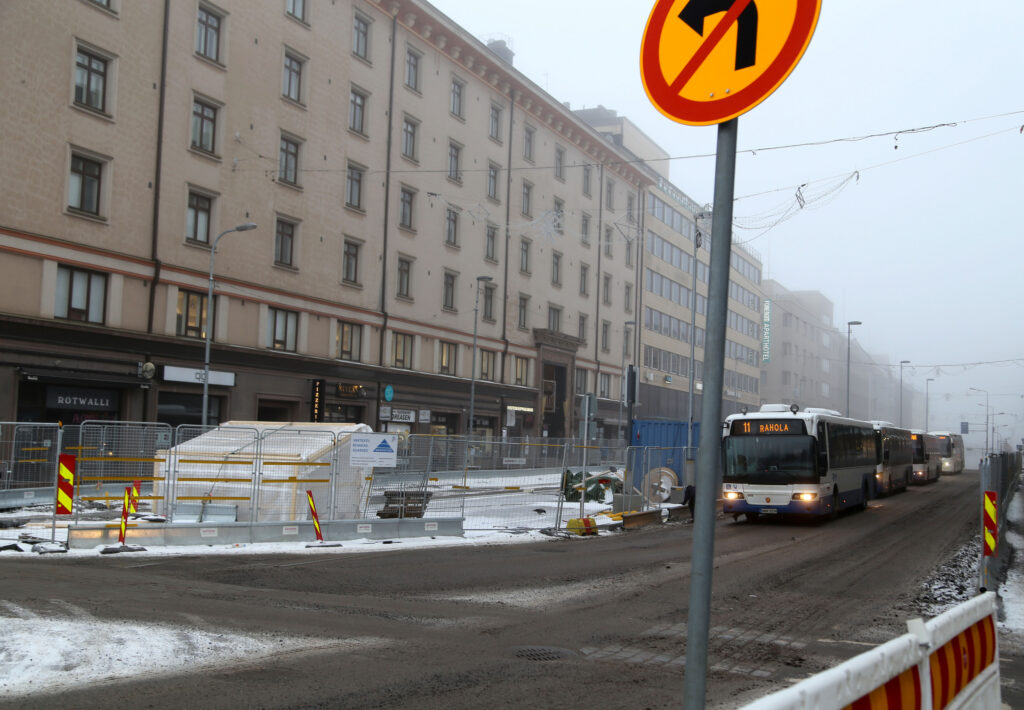
The City council of Tampere decided about the construction of the tramway on 7 November 2016. A two-lane tramway will be built…