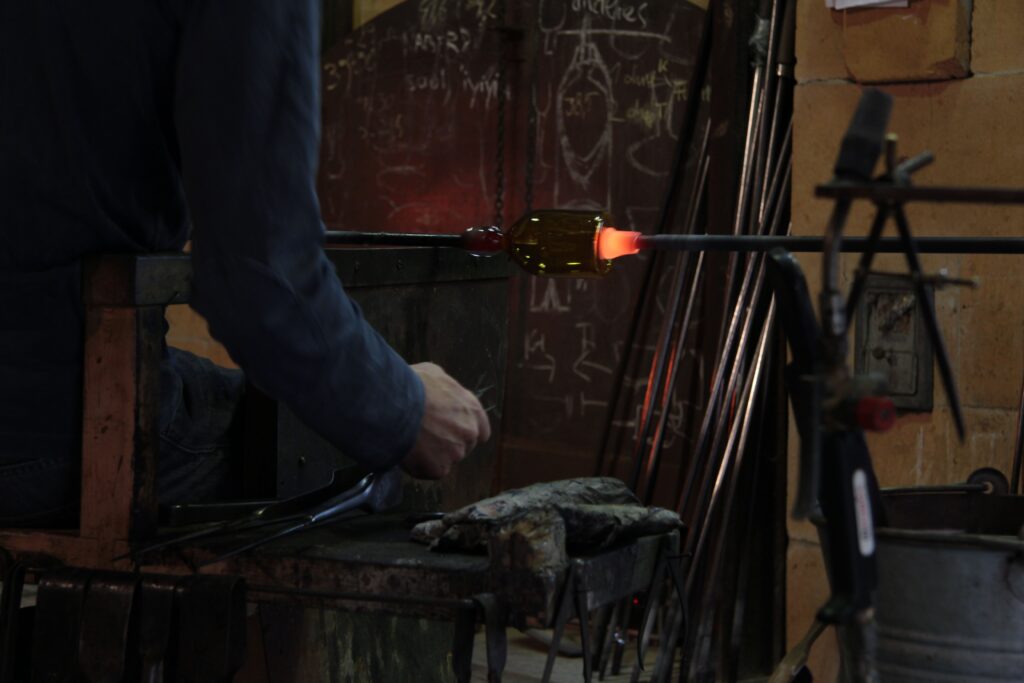
Glass-blowing III: forming the drink opening
Since 1979 the LWL- Industrial Museum Glashütte Gernheim has provided insight into traditional glass-manufacturing through presentations. The recording one can hear two…

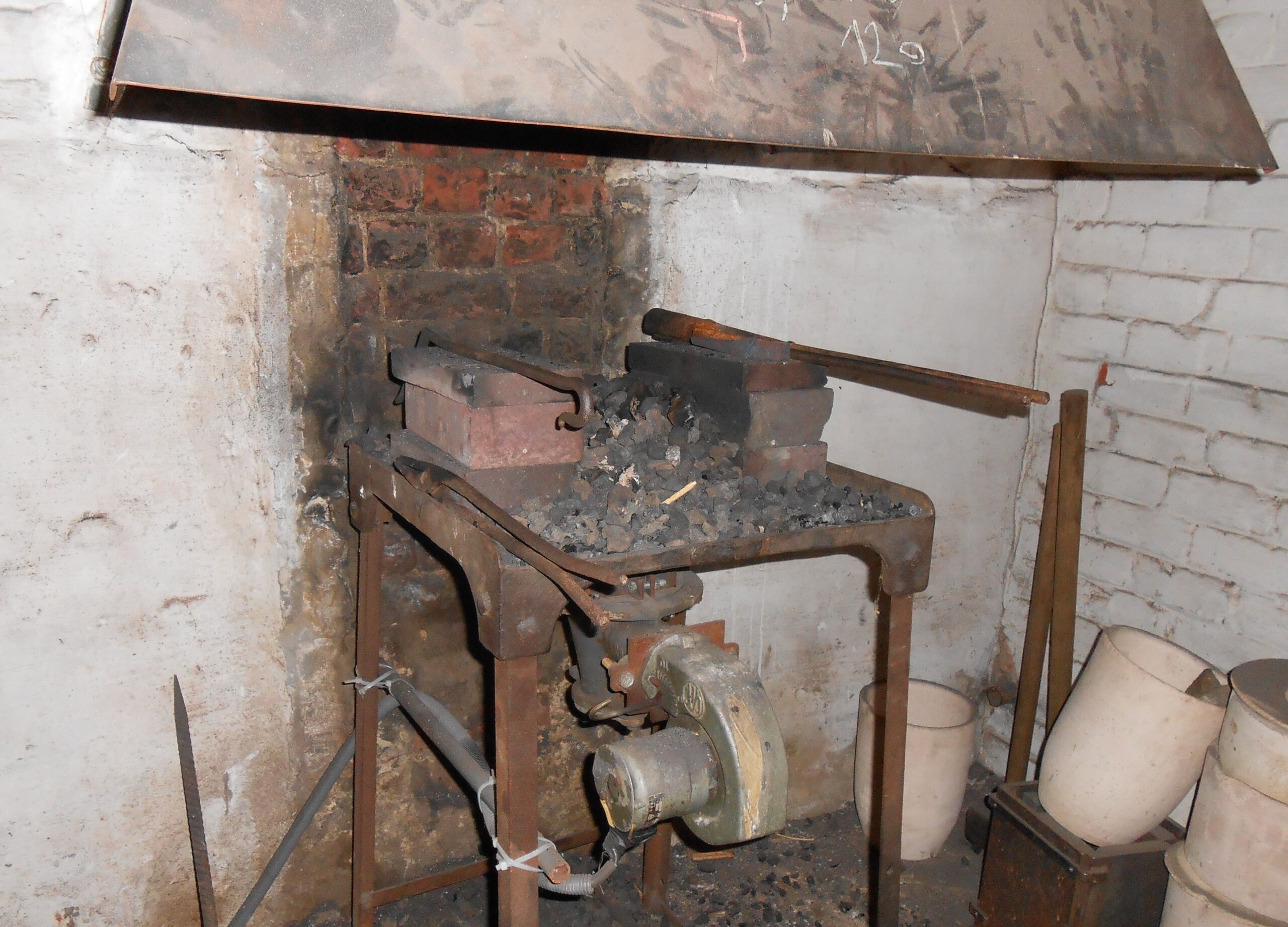
Iron Working requires to heat up a piece of metal to a high temperature so it becomes easier to shape it by forging. A forge typically uses bituminous coal, industrial coke or charcoal as fuel to heat metal. A hearth is designed to allow a fire to be controlled so that metal introduced to the fire may be brought to a malleable state (when it is red).
Hearting is obtained by combustion of a fuel (coke here) and an oxidant (the blower system can feed the flame).
In this sound, we can hear the sound of the crackling fire and the blower.
A blacksmith, Felix Dawlat has come to this job trough agriculture and the need to use appropriate tools which often have to be created by the farmer himself. He trained at the Farrier school of Anderlecht (Brussels) and as an Apprentice at a private blacksmith. Today, he is working in a collective workshop in Sint-Jans-Molenbeek which he shares with other artisans (two luthiers, two ceramists, a bookbinder,…). Felix sometimes creates some of their tools for them.
Sound recordist : Gaëlle Courtois / La Fonderie, Brussels
Since 1979 the LWL- Industrial Museum Glashütte Gernheim has provided insight into traditional glass-manufacturing through presentations. The recording one can hear two…
The Maudslay engine was the first beam engine built for the Kew Bridge works and began pumping in 1838. A beam engine…
Since 1941 Siemens has been producing telephones in the small town of Bocholt, Germany. Today there are still 550 workers making cordless…
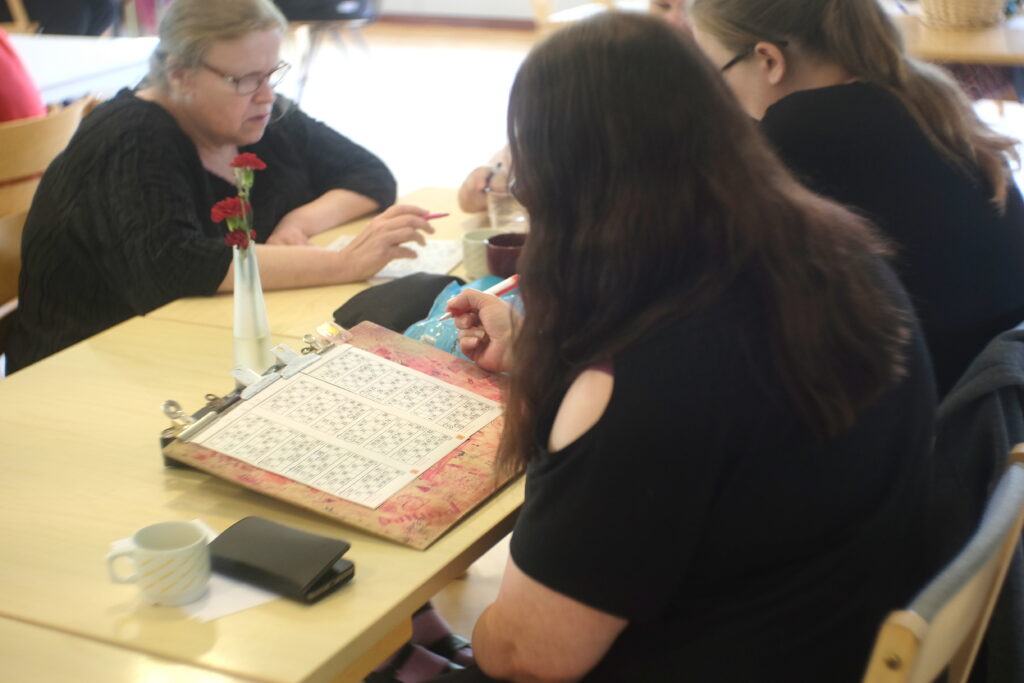
Every Sunday a group of bingo players gather around for a weekly bingo night at Suolahti People’s House. Bingo has been a…