WINDING MACHINE
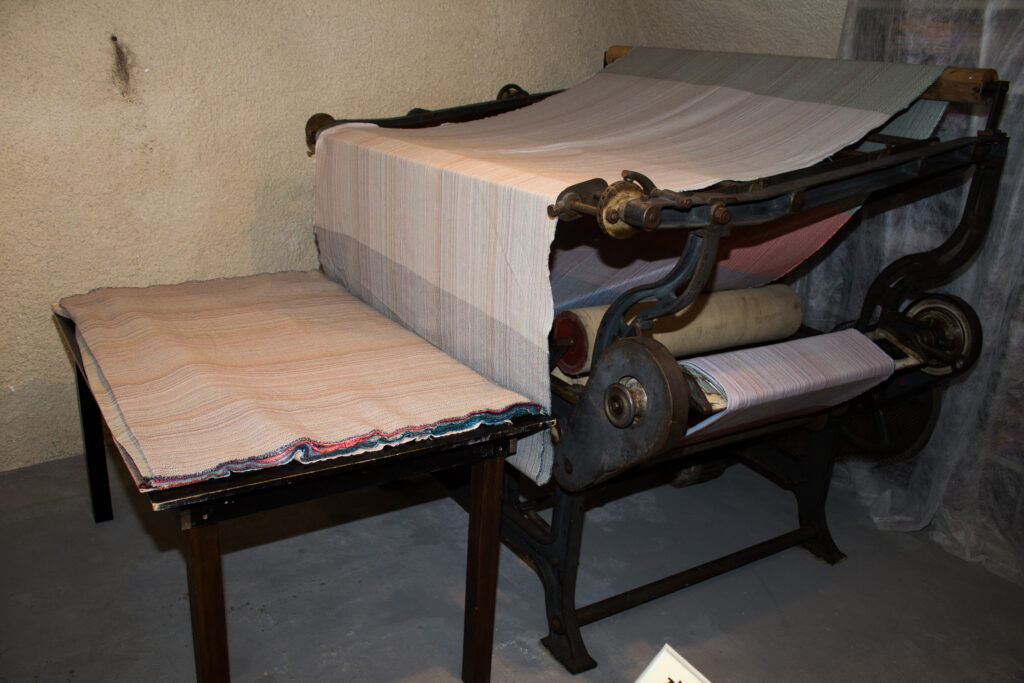
This winding machine of an unknown manufacturer, was in operation at the Induplati Jarše textile company during the period 1925–1997. After the…


ZVONEC V PRIZIVNICI/BELL IN THE CHECK-IN ROOM
Po letu 1890 je šino zamenjal zvonec v prizivnici. V prizivnici je »obergutman« (poslovodja) poimensko klical rudarje, tako preverjal njihovo prisotnost in iz »šehtnbuha« (delovne knjige) prebral vsak dan razpored za delo. Pred odhodom v jamo je vsak rudar vzel s smrtne ure svojo markico, ki jo je po končanem šihtu (delu) vrnil na isto mesto, kar je potrdilo njegovo srečno vrnitev iz jame.
After 1890, the wooden rail was replaced by a bell in the check-in room where the supervisor called the miners by name (to check their presence) and every day read the work schedule book. Before descending into the pit, each miner took his number plate from a special board (called death clock) and replaced it at the end of his shift, confirming his safe return to the surface.
IDRIJA MERCURY MINE
According to legend, the origin of Idrija Mine dates back to 1490, while the oldest thus far known written source is from 1493. The oldest surviving entrance to the mine is Anthony's Tunnel from 1500. In the 16th century, Idrija Mine was one of the deepest mines in the world. After 1600 and up to the end of the First World War it was among technically best equipped mines in Europe.
The city of Idrija with the longest mining tradition in Slovenia was built above one of the largest mercury ore deposits in the planet.
Producing more than 13% of the world's output, the Idrija Mine was, by its quantity of extracted mercury, the second largest mercury mine in the world. Over five hundred years, 145,000 tons of precious metal were extracted.
The Idrija pit was comprised of 15 horizons (levels), the deepest reaching a depth of 380 m. The total length of galleries and shafts was about 700 km.
Sound recordist: Boštjan Troha
Photographer: Katarina Batagelj
Video: Irena Marušič, Katarina Batagelj
This winding machine of an unknown manufacturer, was in operation at the Induplati Jarše textile company during the period 1925–1997. After the…
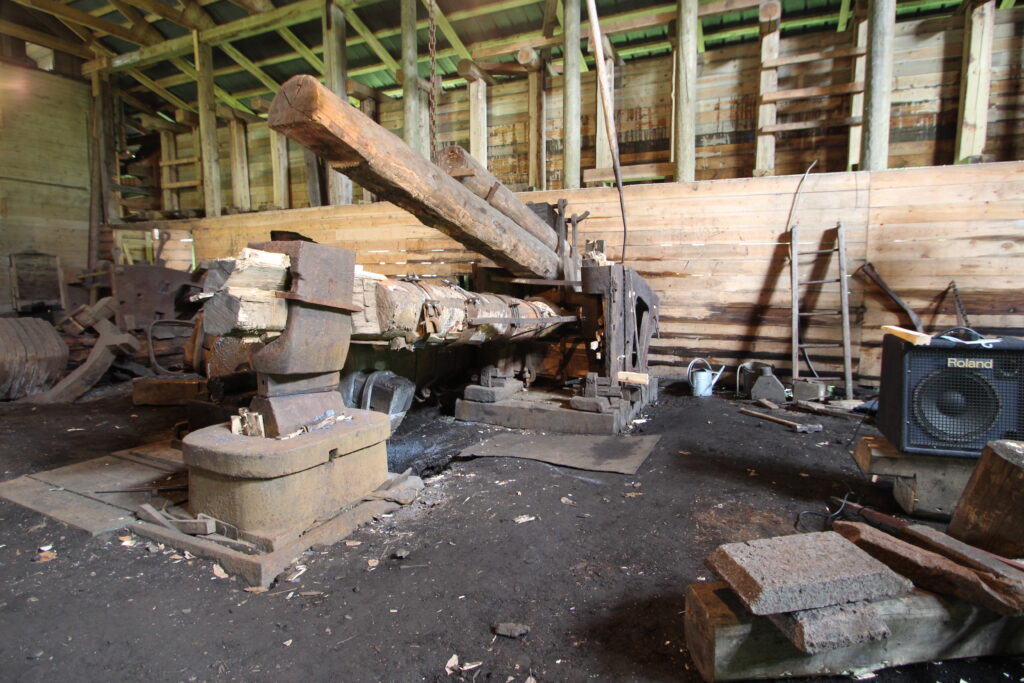
This hammer is used to form the Wrought iron into bars. Sound cycle Sound 1: The hammer is lifted with an iron…
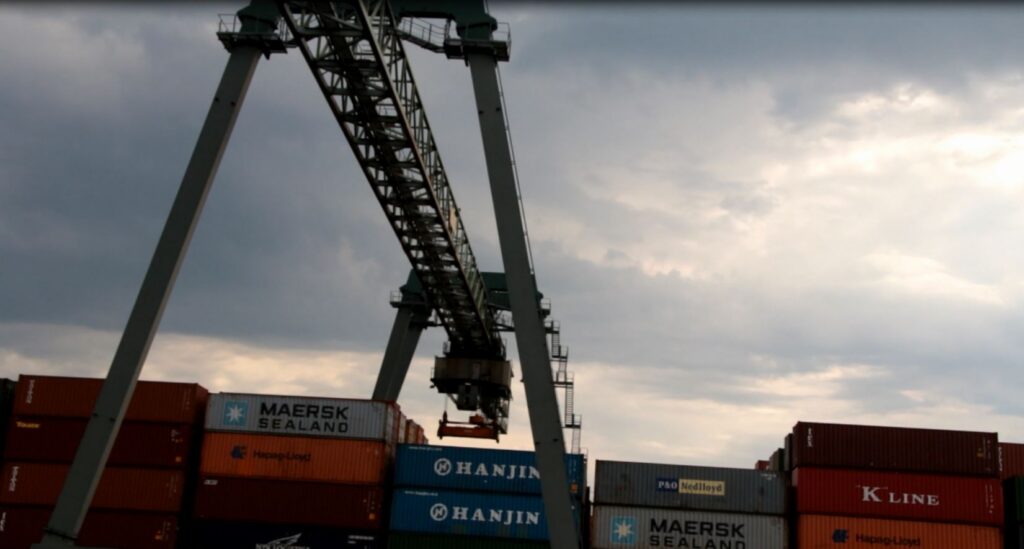
The sound was recorded at the Port of Dortmund. Dortmund's port which terminates the Dortmund-Ems Canal connecting Dortmund to the North Sea…
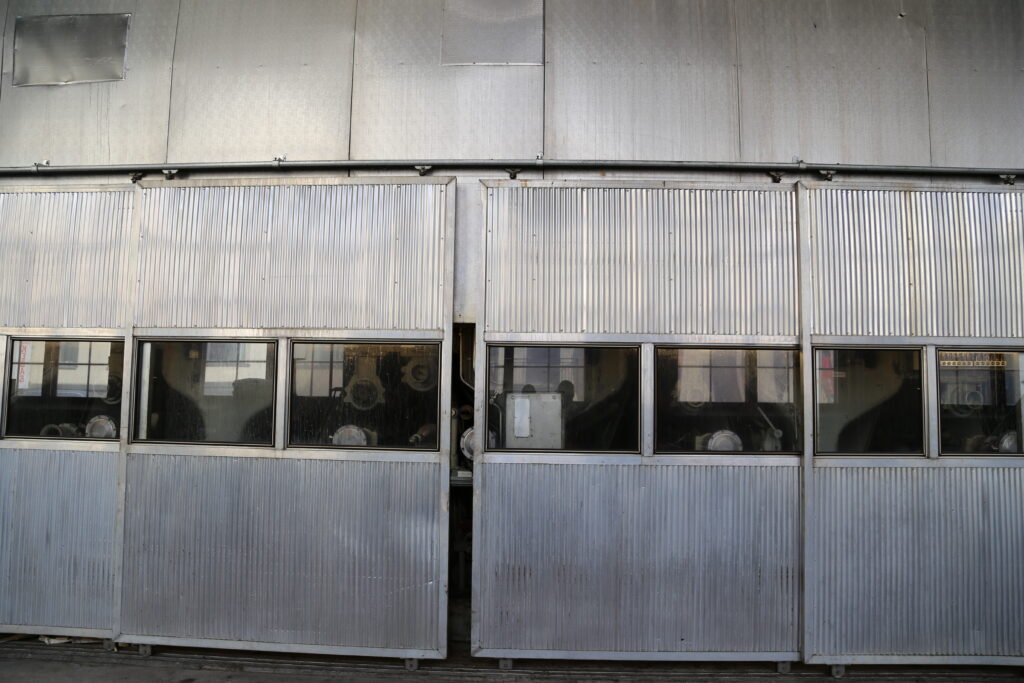
Voith cardboard machines dryer unit. Sound comes from rotating dryer cylinders. In the dryer unit water is removed by evaporating. There are…