Chasing
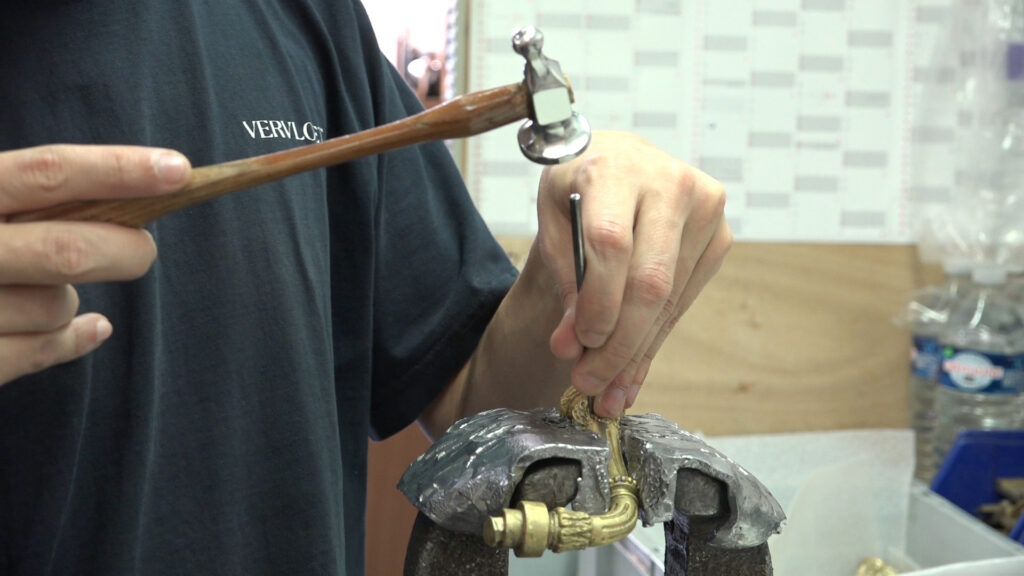
The chiseler deepens the grooves through further chasing. To do this, he uses chisels of different sizes. Here, he has 573 copies…

This is the machine into which the mass is gathered and then becomes paper. There is approximately 98% water and 2% papermass, but if the paper is too thick they add more water and if it is too thin they add more mass. The quantity mass also differs from which kind of paper they are manufacturing, envelopes are for instance thicker than writing paper and the paper they turn into bags are the thickest.
To make the paper they take a sort of frame and dip it first into water, and then into the machine with the mass. The mass then sticks to this fine metal frame and as such you've got wet, so far useless, paper. Then the paper is removed from the frame and put unto a large felt canvas where it sticks. Then they hung it up to dry. For the paper to dry and become proper paper it must hang-dry for about 3-4 days.
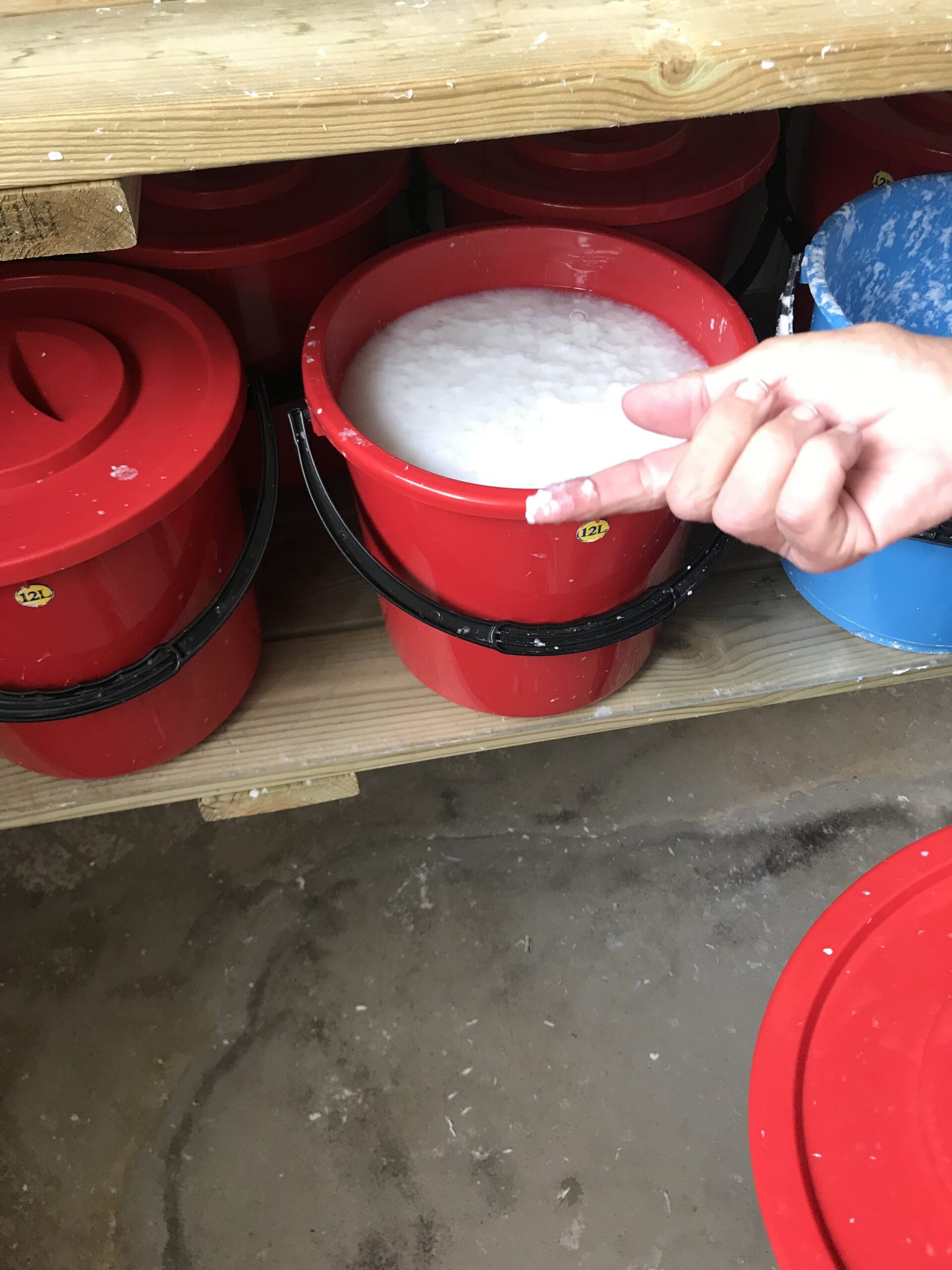
The photo is of the mass that is turned into paper, and looks like a strange porridge.
Photo and recording by Erik Pålsson, big thanks to Roland at Holmens museum who does t his two days a week on his free time.
The chiseler deepens the grooves through further chasing. To do this, he uses chisels of different sizes. Here, he has 573 copies…
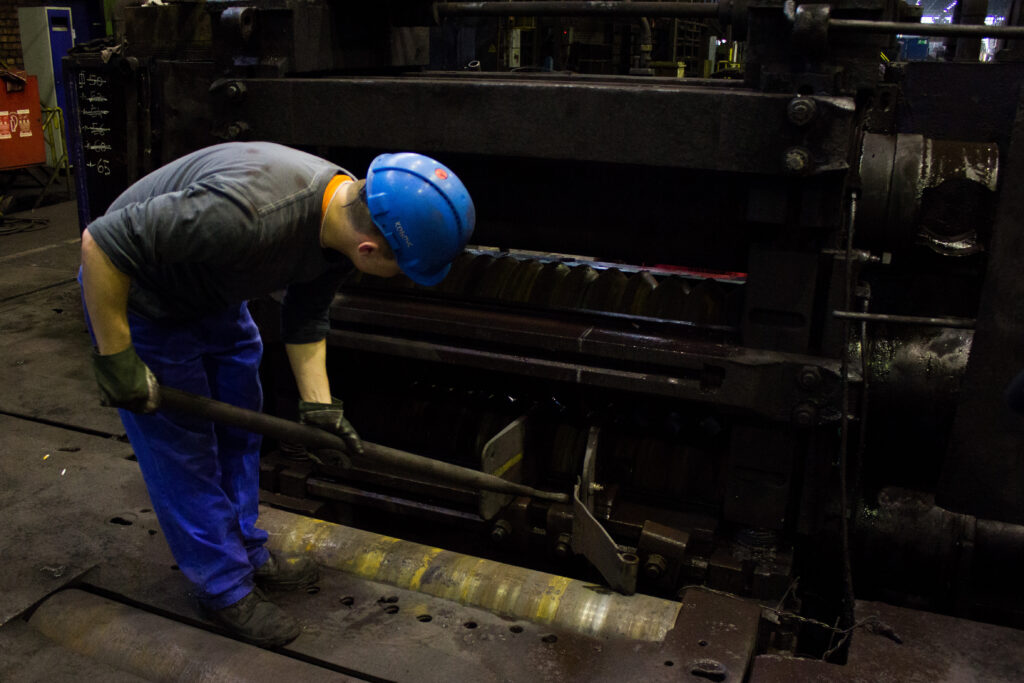
The sound of arranging the rolling stand. The rolling stand is arranged for the rolling of various profiles (round, flat or square…
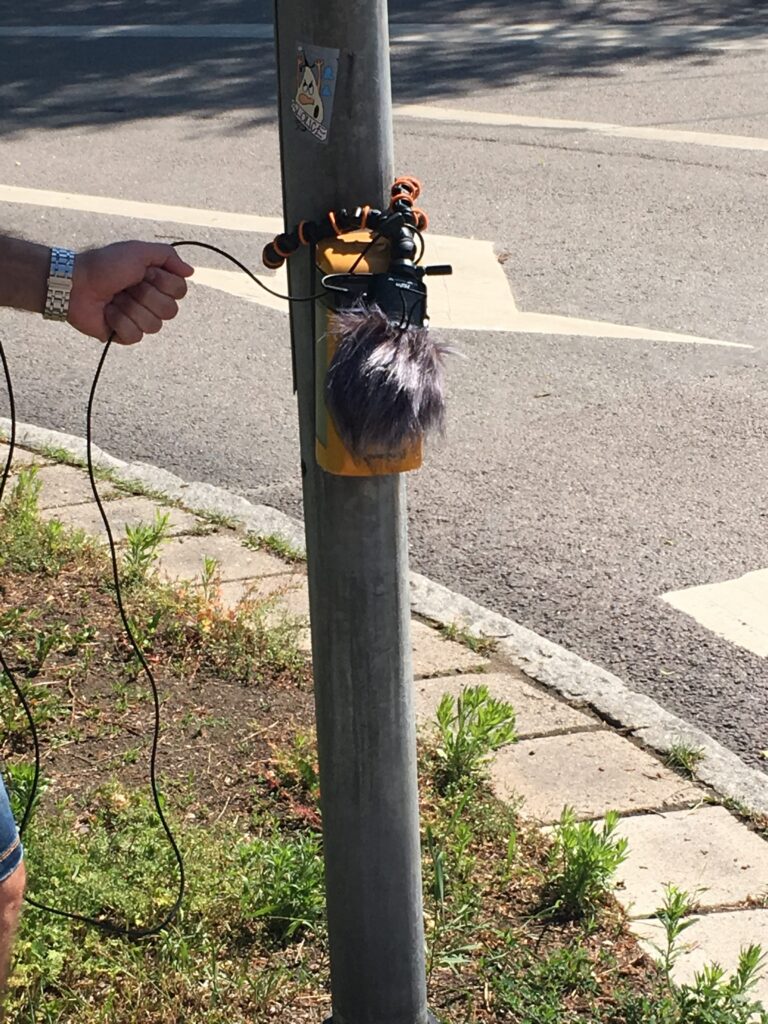
The world’s first traffic light was installed in London in 1868. The first in Sweden became operational in 1925. Sound signals to…
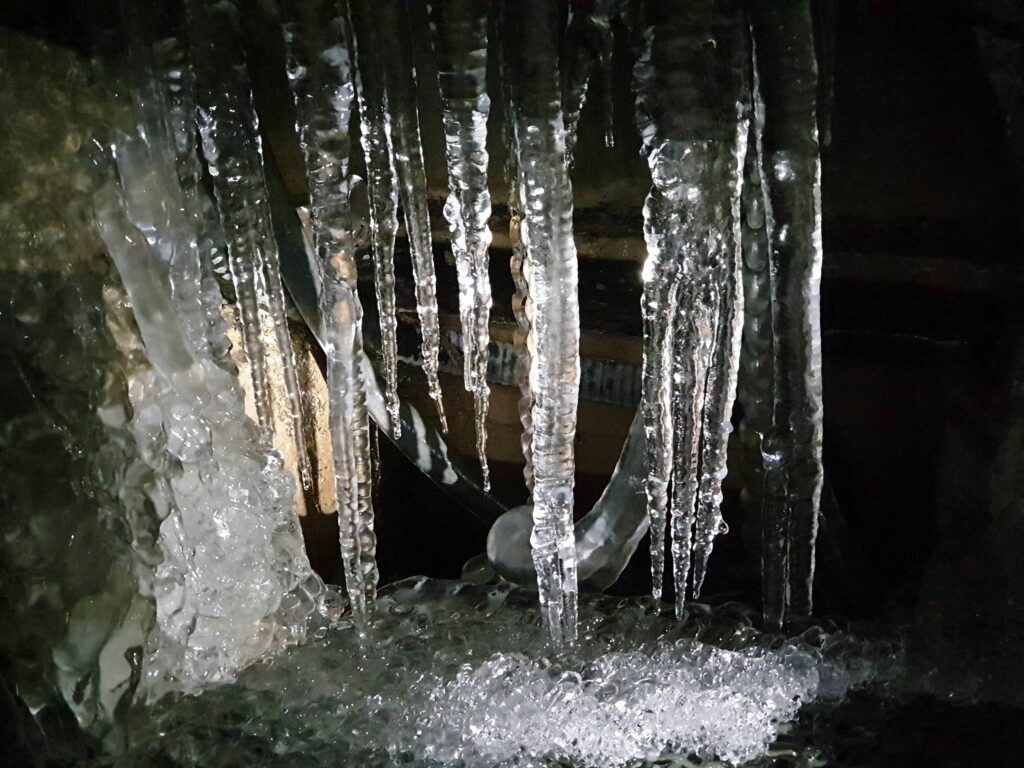
PRETAKANJE VODE PRI JAŠKU 11/PERCOLATION OF WATER AT SHAFT NO. 11 Voda je bila stalni spremljevalec idrijskega rudnika. Na posnetku je slišno…