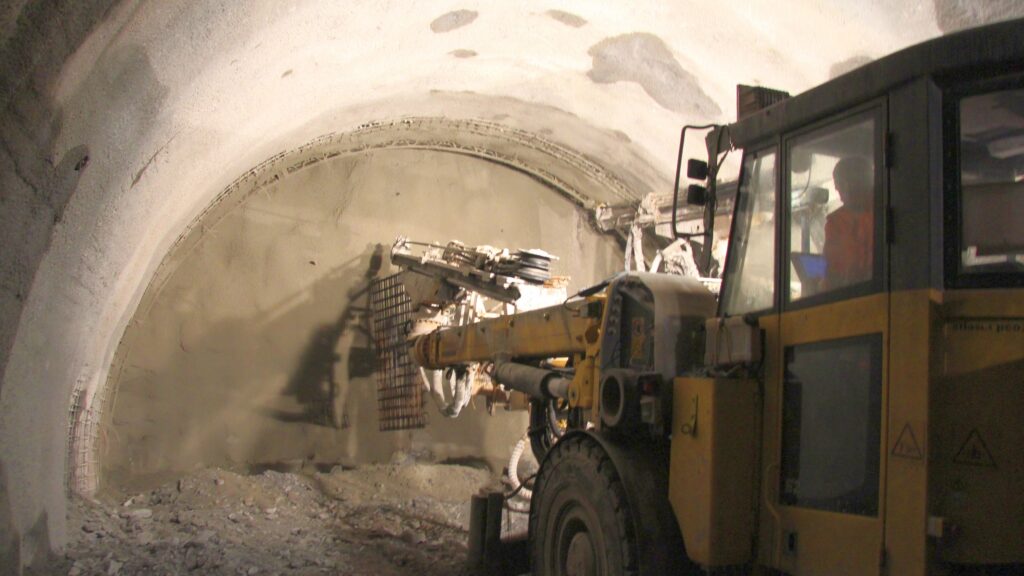
Stuttgart 21 XXI: Drilling Blasting Holes at Tunnel Construction at Ulmer Straße
Stuttgart 21 is one of the biggest construction projects in Germany. It includes the underground construction of a new central station for…

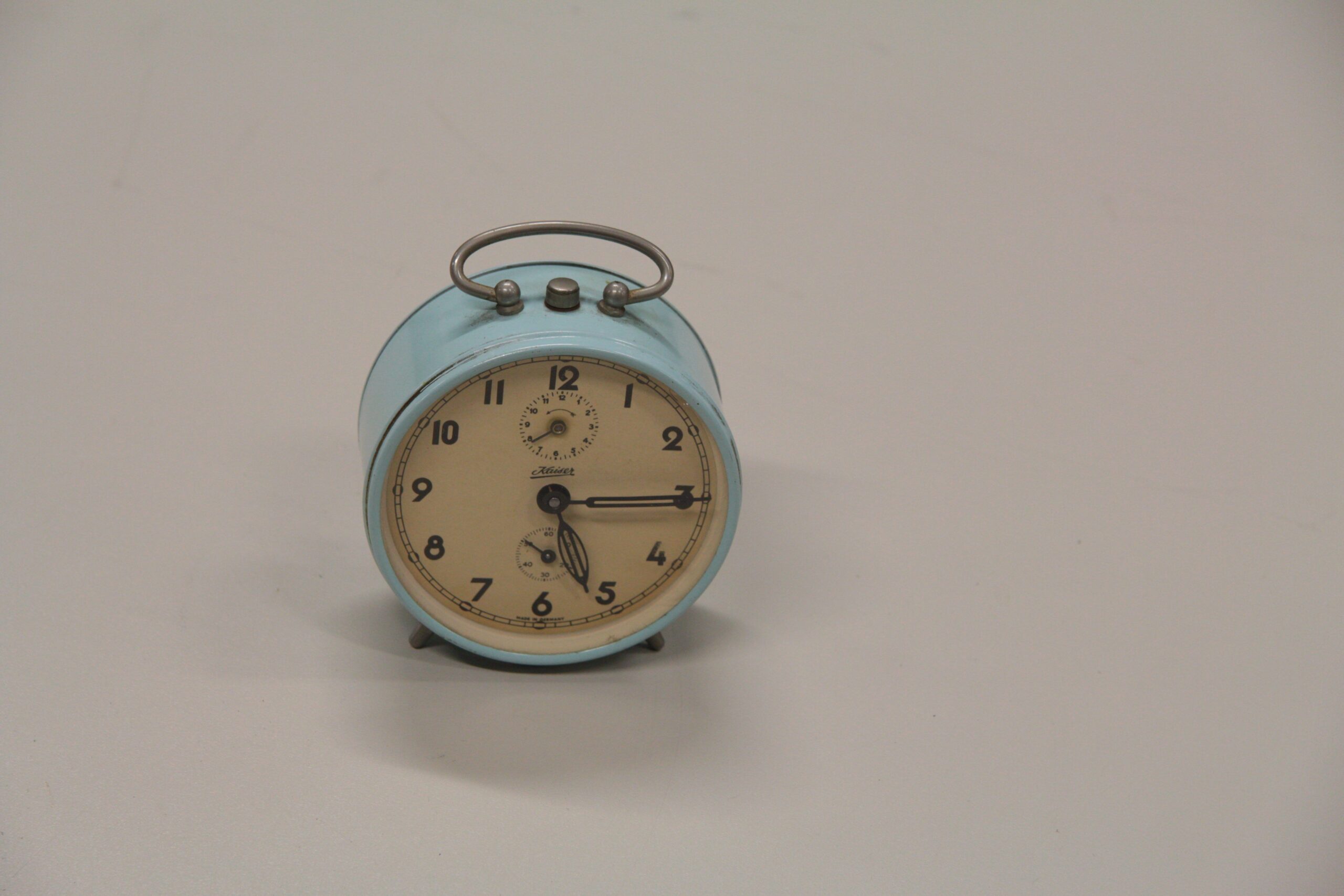
The mechanical alarm clock of the brand Kaiser from the 1930s was a mass-produced article and predominantly used in private households. It is now part of the collection of the LWL-Industrial Museum.
The clockwork was set in motion after being wound up by hand. The clock's alarm mechanism could be preset and awoke the sleeper with loud ringing.
The process of industrialisation with its strictly regulated work hours required people to be absolutely punctual, so they needed a reliable tool to awaken on time.
Domestic alarm clocks became essential for those who needed to get out of bed on schedule. From the end of the 19th century on, they found their way into households as a secondary clock alongside the usual parlour or hall clock.
Sound recordist: Konrad Gutkowski / Jonathan Nicolai
Photographer: Konrad Gutkowski / Jonathan Nicolai
Video recordist: Konrad Gutkowski / Jonathan Nicolai
Stuttgart 21 is one of the biggest construction projects in Germany. It includes the underground construction of a new central station for…
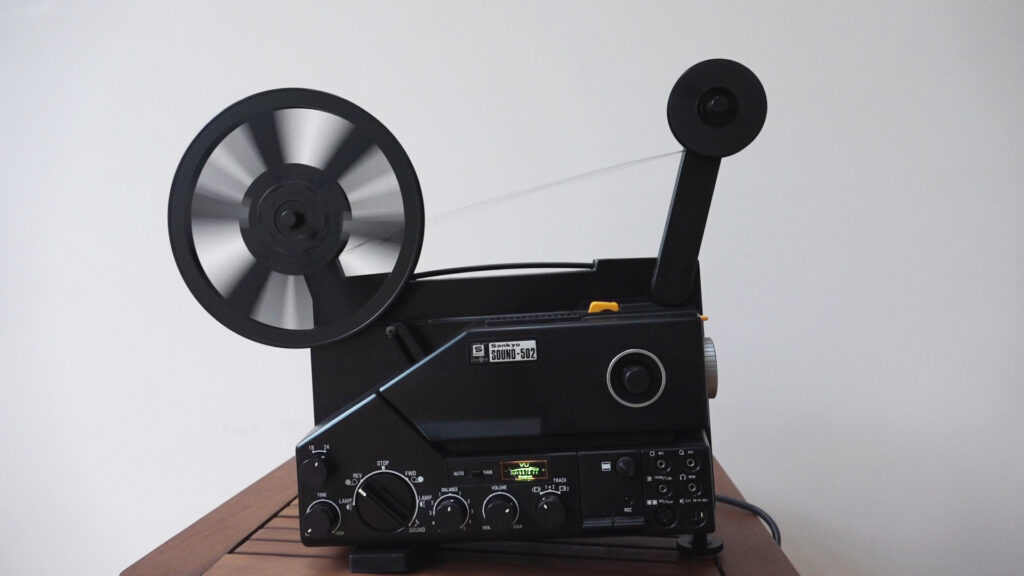
The Sankyo Sound 502 movie projector was bought in January 1979 in Brussels (10.900 Belgian francs). It was used to project Super…
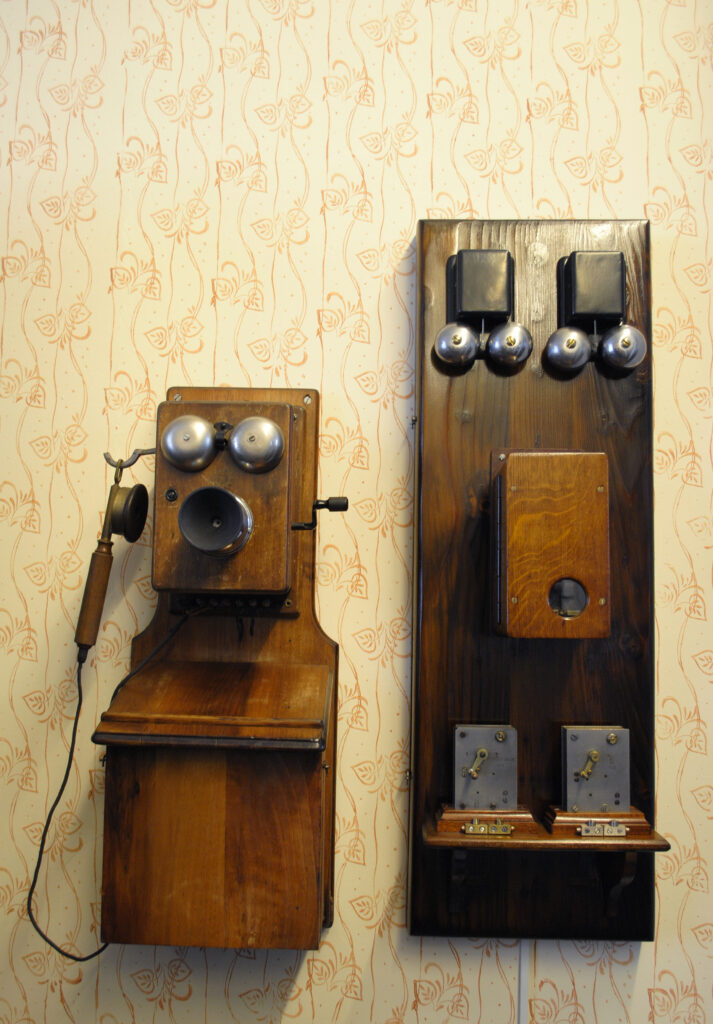
The sound: Using the handle on the right, crank the magneto which produces an electrical current to power the ringer and simultaneously…
Made in 2004 by Taerosol Oy. The straw machine attaches a straw on each of the cans. The straws are used when…