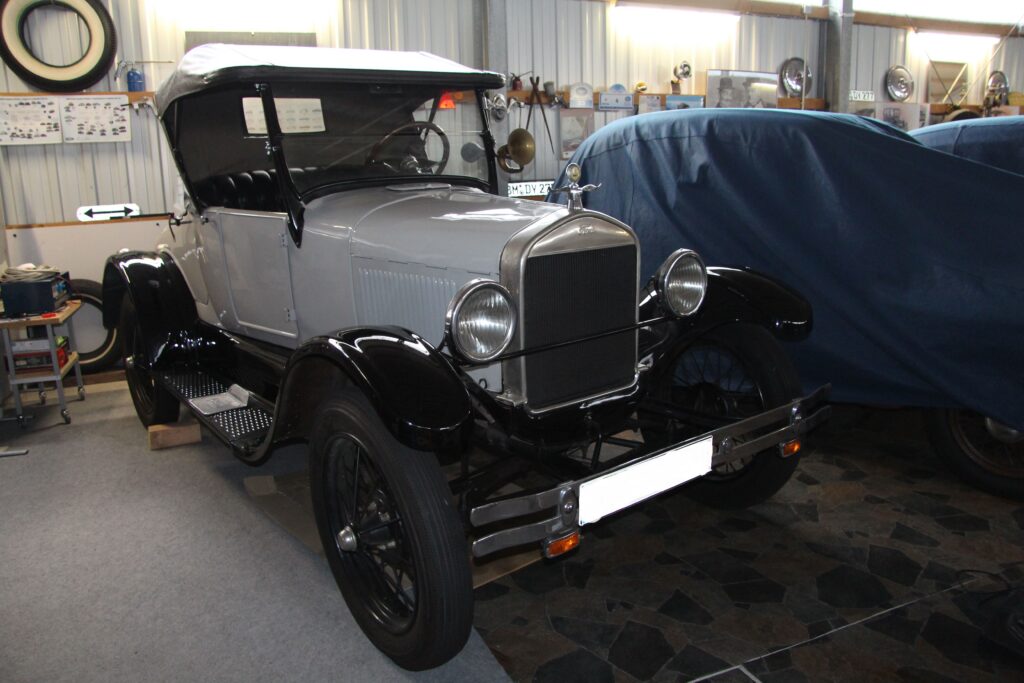
Ford Model T „Tin Lizzy“: Starting the Engine
The Ford Model T marks the starting point of mass motorisation. It was developed by Henry Ford. From 1914 onwards Ford produced…

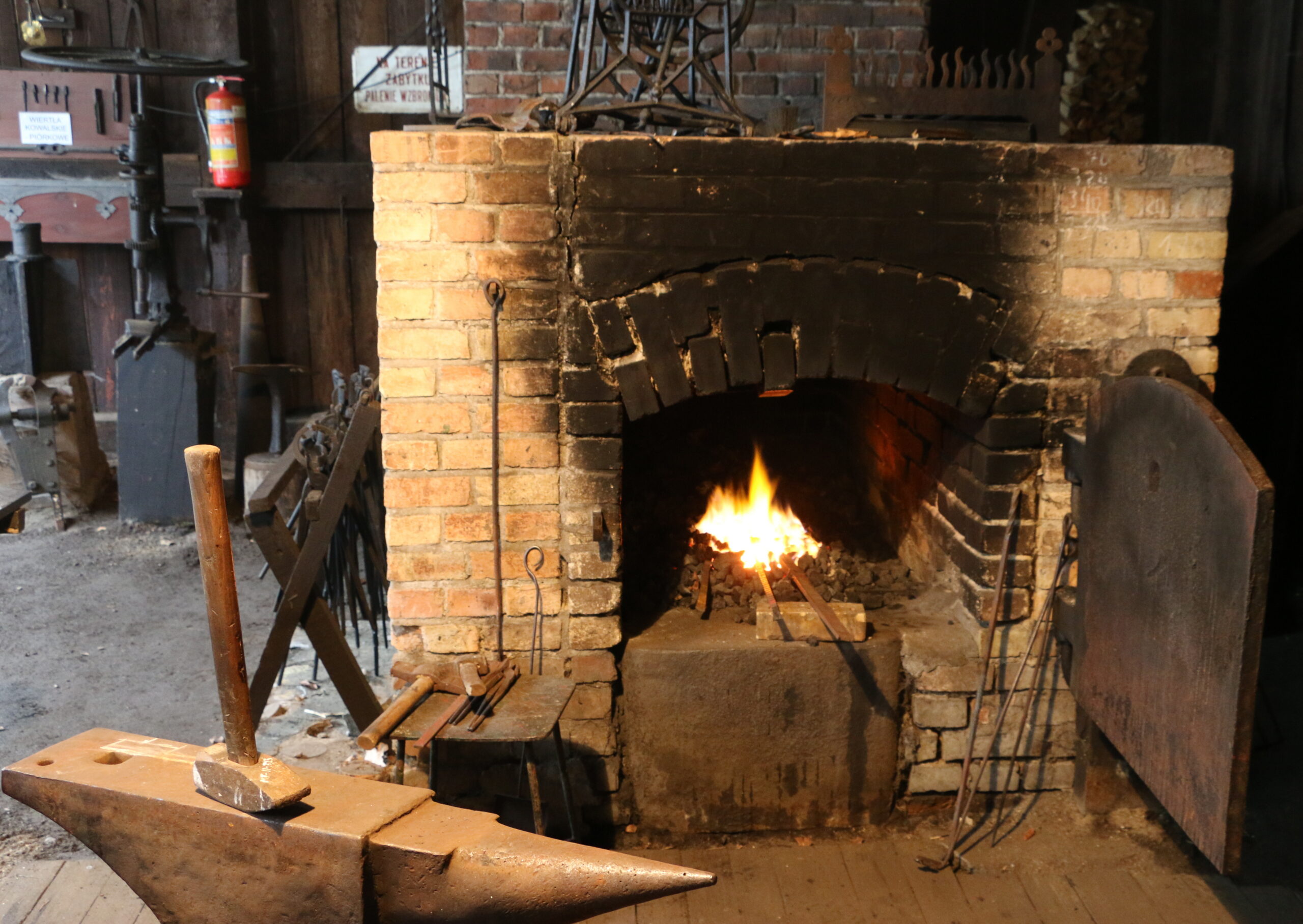
The sound of manual cutting of a piece of steel. The recording was realized in the historical water smithy in Gdańsk (Oliwa district) constituting the department of the Museum of Technology in Warsaw.
Blacksmith chisel, i.e. short and thick knife sharpened at a large angle and embedded in a wooden handle, was used for hot steel cutting. One of the blacksmiths puts the chisel on hot steel whereas the other hits the head of the tool with a hammer. The separated element is then detached with the use of tongs.
The water smithy in Oliwa was in operation from at least 1597 to 1945. Not every type of steel was suitable for processing with the use of water power, that is why manual forging was also performed in the smithy. The facility is equipped with two stoves in which the hearths are located very low, as the processed pieces of steel weighed even up to 250-300 kg. Due to their weight, they were picked up with blacksmith tongs and transported to the forging post by 4 – 6 blacksmiths. Depending on the dimensions, the process of heating a piece of steel in the stove could last from several minutes to a dozen hours.
It is estimated that tools for manual forging used in the water smithy in Oliwa were manufactured in the late 19th or early 20th century.
Sound recordist: Monika Widzicka
Photographer: Piotr Leszczyński
The Ford Model T marks the starting point of mass motorisation. It was developed by Henry Ford. From 1914 onwards Ford produced…
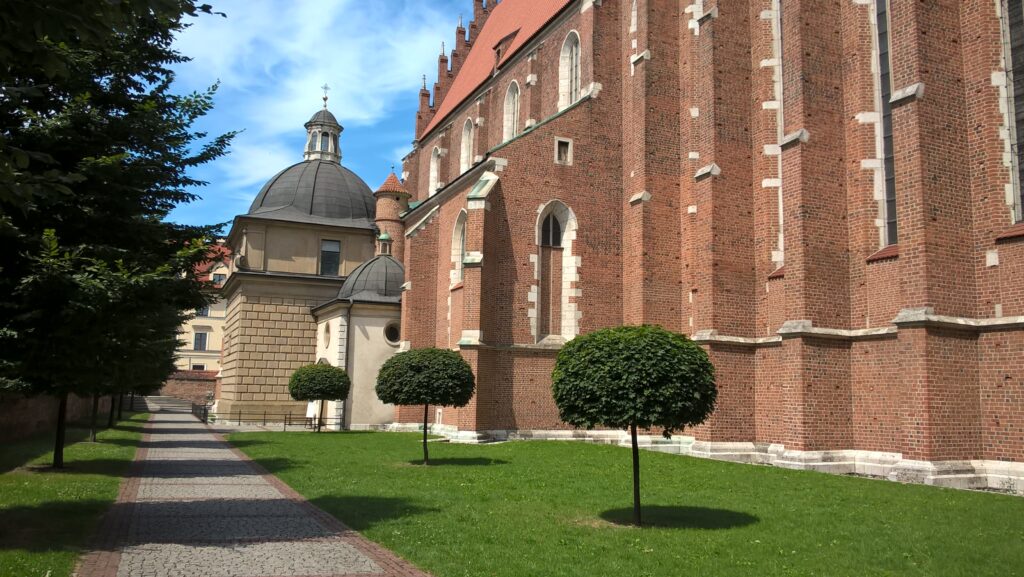
The historic, fifteenth-century Corpus Christi church is surrounded by a high brick wall, built in the 17th century. Moving from the busy…
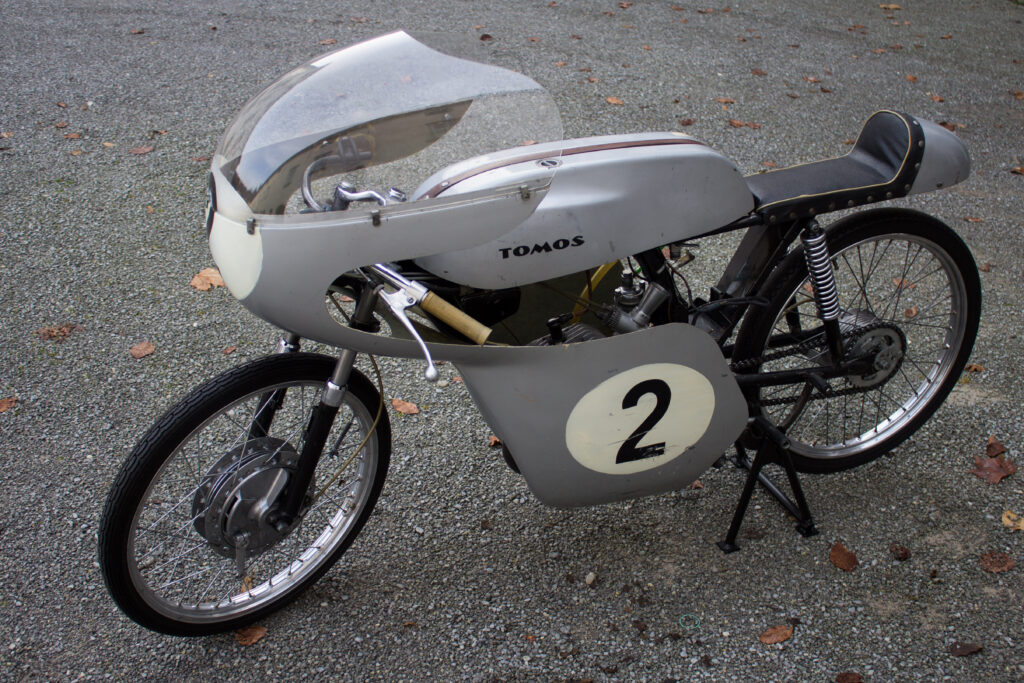
This motorcycle was given to Technical museum of Slovenia by Tomos factory in 2002 and it represents a part of valuable and…
Ilosaarirock Festival is an annual rock festival held in Joensuu, Finland. The festival was founded in 1971 and it is the second…