Extinction Rebellion Action december 9t Part 3
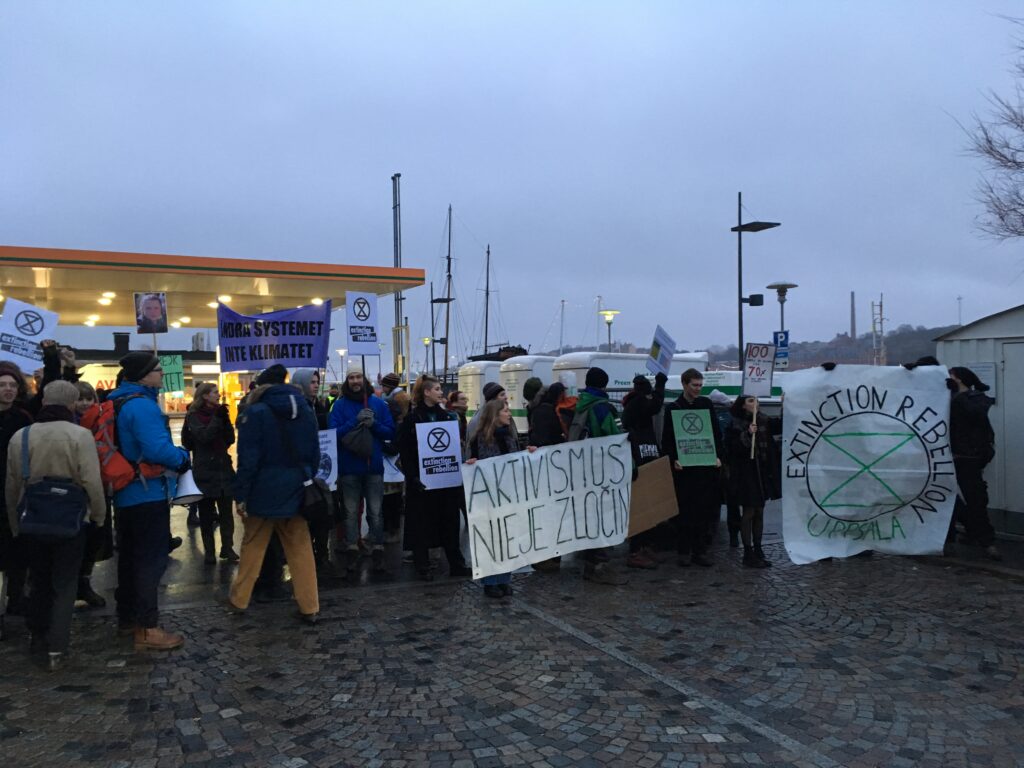
Extinction Rebellion is a global organization founded in the united kingdom the 31:th of October 2018. Since then it has grown in…

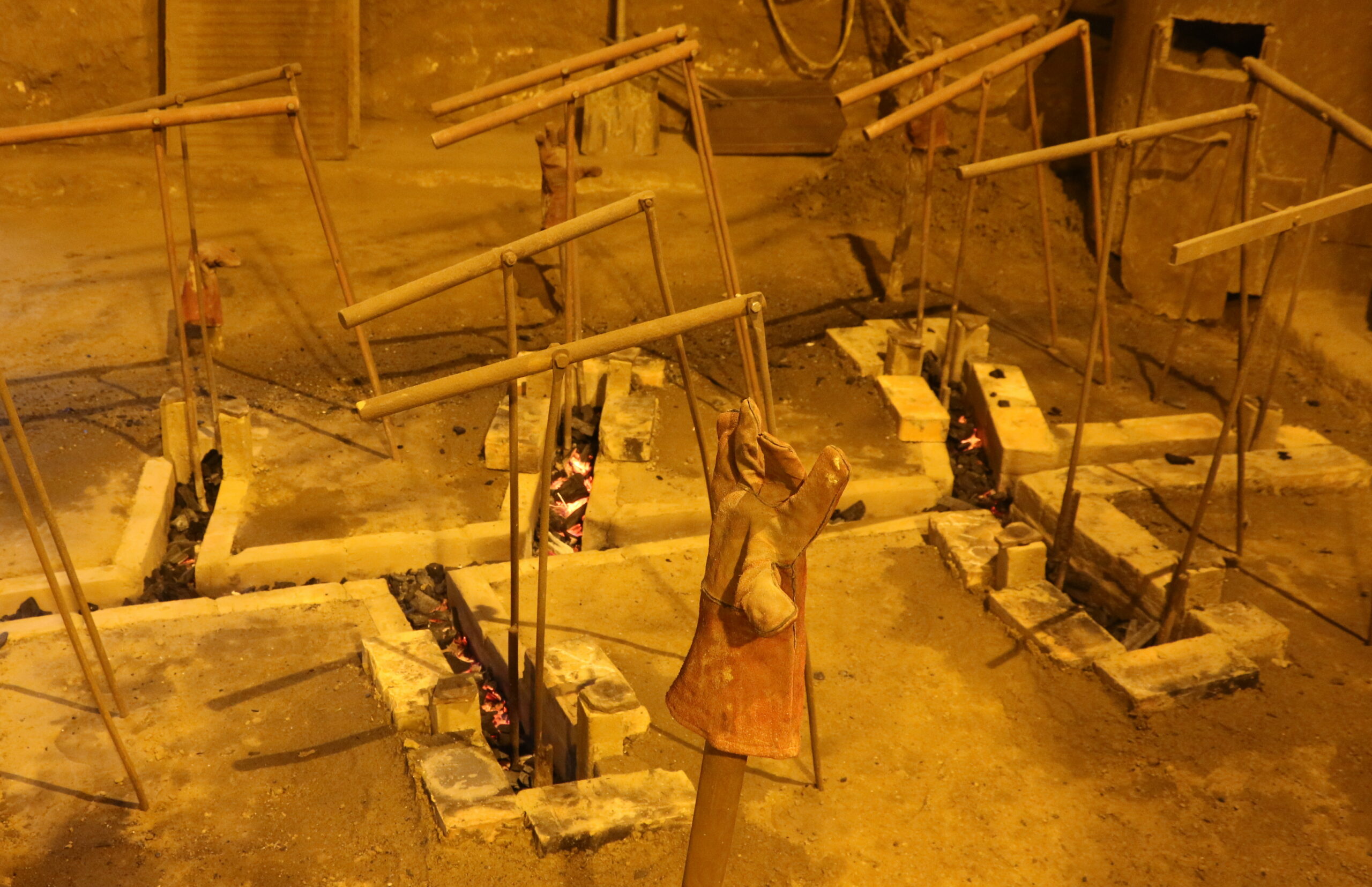
The sound of incandescence of charcoal in the drainpipe, under which the clay molds of bells are buried. The recording was realized in Felczyńscy Bell Foundry in Taciszów (Poland).
Before casting, the bells are buried in holes in the ground, then carefully filled up, so the ground prevents their bursting as a result of hot metal being poured inside. There is a drainpipe built above them, leading metal from the furnace to each mold. The drainpipe is warmed up with charcoal, which is watched after not to blow out. It will later allow to pour liquid metal into the mold.
The casting is prepared from gunmental, i.e. alloy with 22% of tin and 78% of copper. The metal is melted in a shaft furnace. It needs to reach the temperature of 1200 Celsius degrees. Wood and coke is put inside the furnace alternatingly with metal. The bell founder evaluates temperature in the furnace on the basis of its interior. While doing it, they do not use any measuring tools. When the temperature is proper, charcoal is removed from the drainpipe, and remains of coke are gotten out of the furnace. Hot metal is released from the furnace. It flows from to the molds through the drainpipe. The flooded molds remain in the casting pinhole for 3 days, until they cool down to the ambient temperature. It is crucial not to harden the bells, as it has adverse influence on sounds that they emit.
Sound recordist: Monika Widzicka
Photographer: Rafał Sworst
Video recordist: Piotr Leszczyński
Extinction Rebellion is a global organization founded in the united kingdom the 31:th of October 2018. Since then it has grown in…
At the end of the 19th century, Franc Galle, the landlord of Bistra, was actively engaged in milling. However even before the…
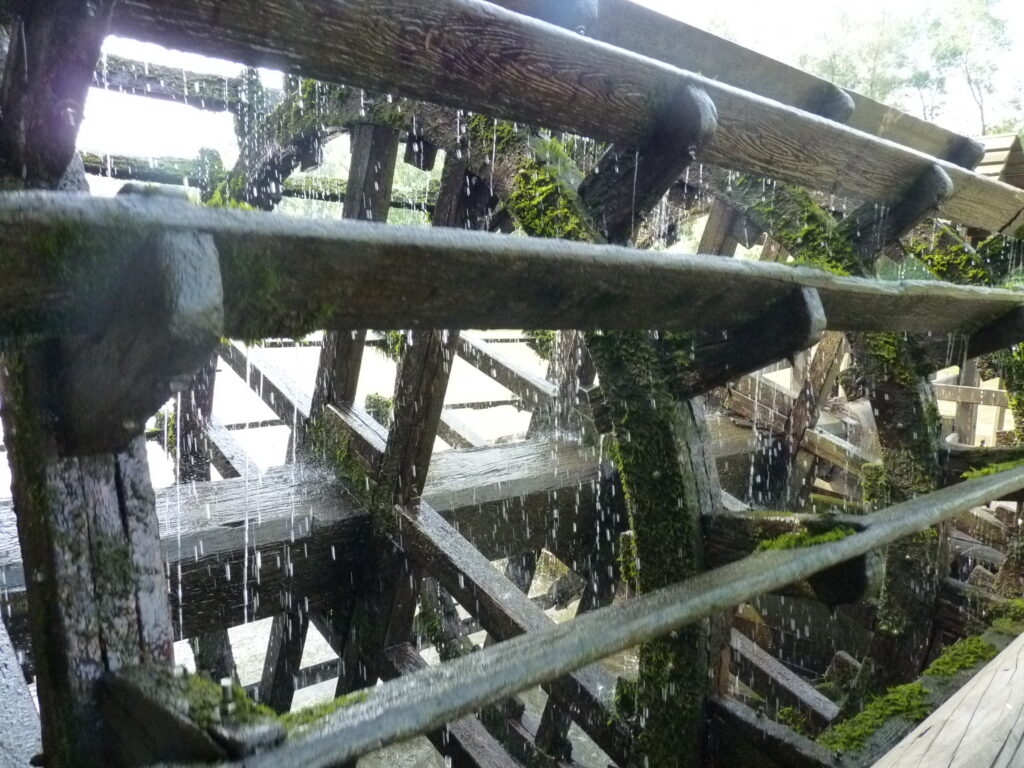
Sound of the water wheel of the floating mill on the Island of Love. The mill is mounted on two interconnected floating…
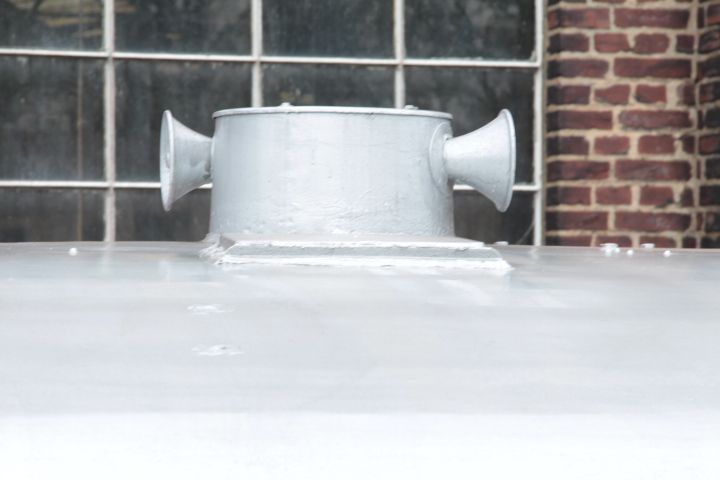
The signal horn (train horn) is a component of a Kleinlocomotive of the DB-production series 332, built in 1966 by Orenstein &…